The Nissan Sakura Mini EV Becomes a Reservation Hit in Japan
 Victor Alós Yus @sepelaci
7 November 2022
2 min.
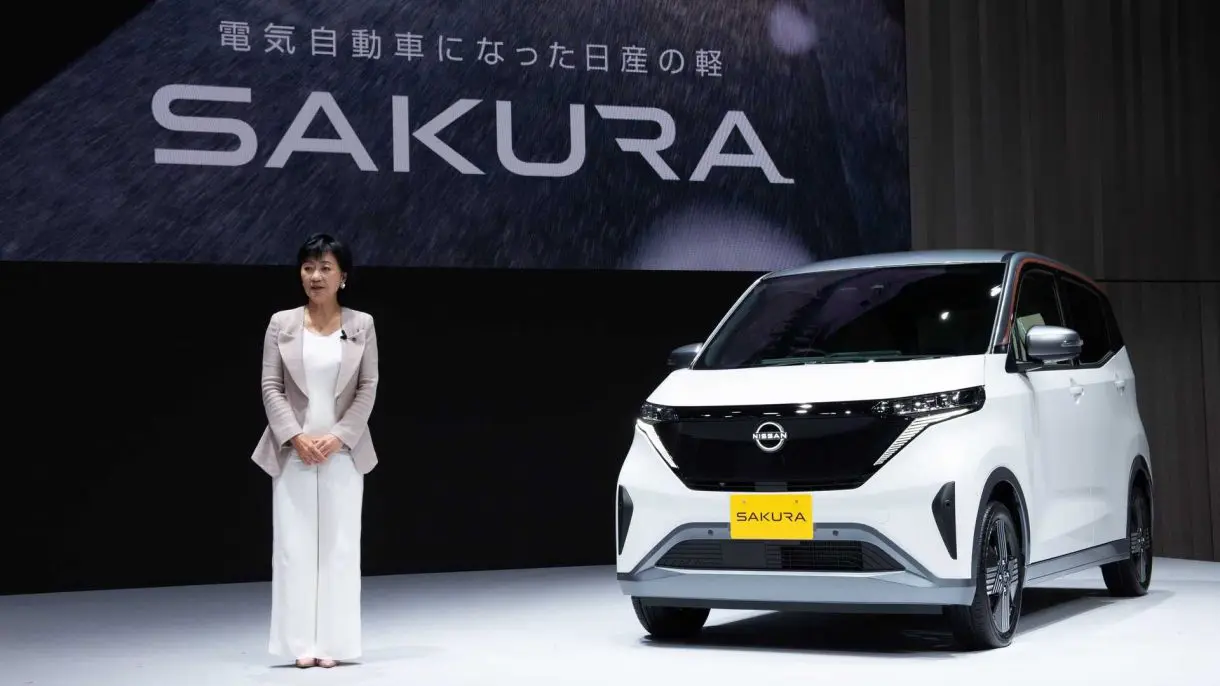
The small electric city car is attracting a great deal of attention in the Japanese market, so much so that the brand has had to temporarily suspend reservations.
In Japan, Kei Cars continue to triumph. These small vehicles are designed for urban mobility and offer many advantages, including low consumption and a very affordable price. They are ideal for getting around the city without spending too much. The logical evolution of these Kei Cars is electric mobility, so it is no surprise that the Nissan models of this type have become best sellers.
Nissan has revealed the reservation figures for its new model, the Sakura Mini EV, a vehicle intended only for the local market. These figures confirm that Japanese buyers still trust this type of vehicle and view its move to electric mobility favorably.
In fact, two electric models of this type have been presented this year, since alongside the Sakura Mini EV the brand also sells the Mitsubishi eK X EV. During July and August, the brand recorded a total of 23,000 reservations for the first model. A remarkable figure, but in September even more reservations arrived.
By the end of September, the number of reservations reached 35,000 units. This good news has brought several problems for the brand. Deliveries of the most recently reserved vehicles will be delayed by one year. As a result, Nissan has announced that it has closed its order books. It is not known how long this situation will last, but the company assures that the measure is temporary.
Both Nissan and Mitsubishi have planned to increase production of both models in order to meet delivery deadlines. Thus, both brands will launch 20% more units than initially planned, so that during 2023 the waiting time for buyers to receive their vehicle can be reduced.
Characteristics of these vehicles
The two models share their electric powertrain. This features a motor located on the front axle that delivers a power output of 47 kW and a maximum torque of 195 Nm. The battery pack has a capacity of 20 kWh. This is not a lot, but it is more than enough for everyday use and allows them to cover a maximum of 180 kilometres under the WLTC cycle, which is the one used in the Japanese market.
The success of these two electric models has led other brands that already manufacture Kei Cars, such as Daihatsu and Suzuki, to start considering developing electric cars. This is not surprising, because although such cars do not even exist in other countries, in Japan they account for 40% of vehicle sales each year.


 Peugeot E-208 GTi: a battery-powered toy that revives the spirit of the 1980s sports cars
 New Lexus ES: luxury grows and goes electric
 First contact with the Dacia Sandero Hybrid 155: power and efficiency from €19,890
Deja un comentario