C-HR Honda Toyota ZR-V Electric Cars Hybrid Cars Comparisons Tests SUV
Toyota C-HR vs Honda ZR-V: which hybrid Japanese C-segment SUV offers the best value for money in 2026?
 Iván Navarro
10 November 2026
5 min.
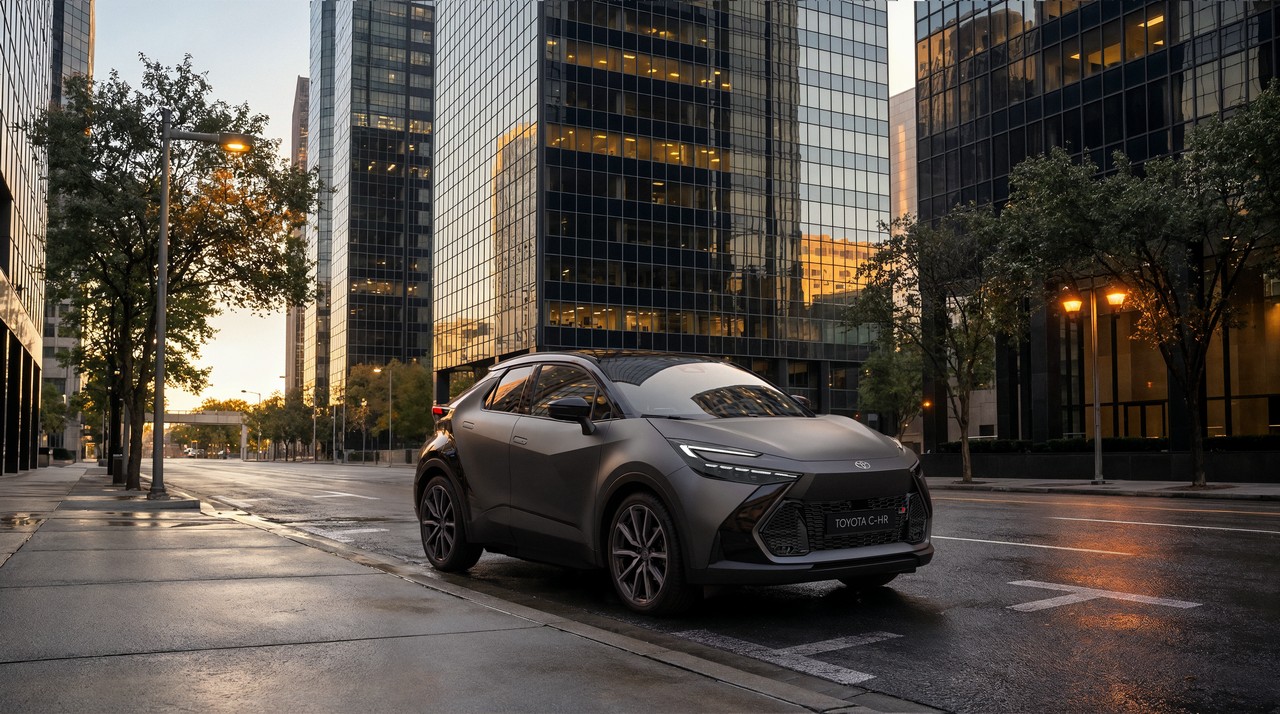
Two Japanese brands, two philosophies of electrification and one shared goal: to convince the buyer of a compact SUV that there is no need to look to Germany to get a well-sorted car. The Toyota C-HR vs Honda ZR-V is, at heart, a duel between going all-in on pure electric or staying in the safe zone of the full hybrid. Neither is the cheap option in the segment. And that is where it gets interesting.
Toyota C-HR Electric, from ≈€40,000 — specs and focus
The C-HR stopped being just a conventional hybrid some time ago. The Electric 230 77kWh Advance version we analyse here represents Toyota’s bet on the BEV within a body that still looks purely like a C-HR: taut lines, a hidden C-pillar, a silhouette that is more coupé than classic SUV.
| Fuel | Power | Top speed | Range | Battery | Label |
|---|---|---|---|---|---|
| Electric | 165 kW / 224 CV | ≈160 km/h | ≈600 km | ≈77 kWh | ZERO |
With 224 CV and 600 km of homologated range, the C-HR Electric plays in a range league that many electric SUVs in the segment still do not reach. The starting price, around €40,000, places it as the most affordable option in this duel — something that does not usually happen when Toyota puts the “Electric” badge on a model.
Honda ZR-V e:HEV Sport, from ≈€45,000 — specs and focus
Honda, on the other hand, has preferred not to take risks. The ZR-V Hybrid 2.0 i-MMD 184 Sport relies on the self-charging hybrid system the brand has been refining for a decade: a petrol engine that mostly acts as a generator, and an electric motor that drives the wheels in everyday urban use, with no plug involved.
| Fuel | Power | Top speed | Consumption | CO₂ | Label |
|---|---|---|---|---|---|
| Hybrid (petrol/electric) | 135 kW / 184 CV | ≈173 km/h | ≈5.8 l/100 km | ≈131 g/km | ECO |
184 CV, 5.8 l/100 km homologated and a price from €45,000. Five thousand euros more than the C-HR, with no pure electric range to offer in return. That said, you get the peace of mind of never depending on a charging point.
Design and practicality
The C-HR is bolder, younger, almost provocative in certain body colours. The ZR-V plays the opposite card: more conventional proportions, a higher roofline, and rear space that you really notice — knees appreciate those extra centimetres. For families with children who get in and out of the car constantly, the Honda is more comfortable. For anyone who prioritises looks over space, the Toyota wins without question.
Mechanics and electrification: BEV vs conventional hybrid
Here lies the fundamental difference. The C-HR Electric never burns petrol: you depend on a charging network, but in return you have 224 CV available instantly and zero local emissions. The ZR-V e:HEV, with its 184 CV, never needs a charger — refuelling with petrol is still refuelling with petrol, five minutes and done. There is no abstractly better version. There is a better version depending on how you live.
Consumption, range and real-world use
The C-HR’s 600 km of range sounds good on paper, homologated, although the real figure on motorways with the climate control at full tends to drop, as with any electric car. The ZR-V, with its official 5.8 l/100 km, is among the best performers on the combined cycle within the hybrid segment — though it too follows the classic pattern: lower consumption in town, a little more on fast open roads.
Equipment and technology
Both arrive well equipped in their reference trims — Advance on the Toyota, Sport on the Honda — with standard driver assistance, central screens of good size and hassle-free connectivity. Neither stands out particularly for disruptive innovation; both favour solidity over surprise.
Price and value for money
And this is where the C-HR has a clear advantage. Starting from €40,000 against the ZR-V’s €45,000, the Toyota offers more power, more range and a ZERO label that weighs more than it seems in cities with traffic restrictions. It is worth remembering that both prices are manufacturer’s recommended RRP, without dealer discounts, one-off campaigns or public aid such as the Plan Auto+ scheme, which may reduce the final outlay in both cases.
Comparison summary table
| Model | Power | Range/Consumption | Price from | Score |
|---|---|---|---|---|
| Toyota C-HR Electric | 224 CV | ≈600 km | ≈€40,000 | 8.3/10 |
| Honda ZR-V e:HEV Sport | 184 CV | ≈5.8 l/100 km | ≈€45,000 | 7.6/10 |
Highmotor verdict
If your daily life allows charging at home or at work, the C-HR Electric is, today, the option with the best value for money in this duel: more power, more homologated range and a lower entry price. The ZR-V does not come out badly — it remains the option with no charging anxiety, with contained consumption and practicality that is appreciated in everyday family life. But paying €5,000 more for less power is only justified if charging genuinely isn’t part of your plans. Anyone wanting to explore how Japanese hybrids perform on short trips can check our guide to hybrid cars for urban driving, and anyone torn between electric and hybrid in this same segment will find more context in our ranking of electric SUVs with the best range-price balance.
Frequently asked questions
Which Japanese hybrid SUV offers the best value for money in 2026, the Toyota C-HR or the Honda ZR-V?
Based on the indicative data available, the Toyota C-HR Electric starts at a lower price (≈€40,000) and offers more power and range than the Honda ZR-V e:HEV Sport (≈€45,000), which places it ahead on value for money for anyone able to charge conveniently.
Is the Toyota C-HR an electric or a hybrid car?
The version analysed, the Electric 230 77kWh Advance, is fully electric (BEV), with a battery of ≈77 kWh and a homologated range of ≈600 km.
What does it mean that the Honda ZR-V is a self-charging hybrid?
The i-MMD system needs no plug: the petrol engine generates energy that feeds the electric motor, which is what drives the wheels most of the time, with a homologated consumption of ≈5.8 l/100 km.
Do the prices mentioned include discounts or public aid?
No. They are the manufacturer’s recommended RRP, without dealer discounts or aid such as the Plan Auto+ scheme, which may reduce the final price; check the official website of the current plan.
Technical specifications of the cars in this article
 Kia offers an electric range of 10 models, 50 versions and 400 possible combinations
 The seven finalists for the 2027 European Car of the Year (COTY) are exclusively electric
 Peugeot E-208 GTi: a battery-powered toy that revives the spirit of the 1980s sports cars
Deja un comentario