Ceed EV6 Golf Hyundai IONIQ KIA Leon Megane Renault SEAT Venga Volkswagen Compact Comparisons Tests Rankings
2026 ranking: the 6 compacts with the best Android Auto and wireless Apple CarPlay integration
 Dani Montesinos
21 September 2026
6 min.
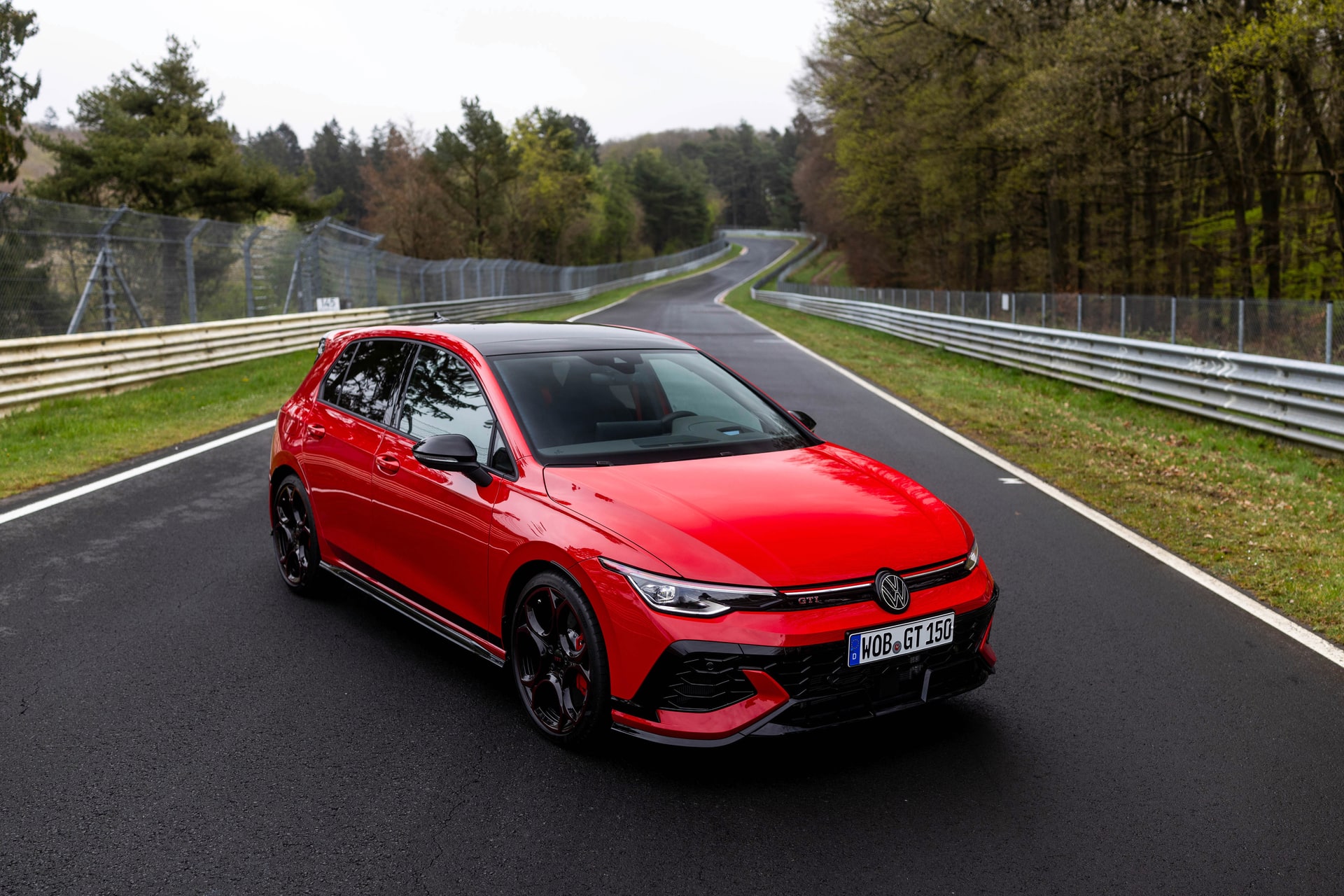
The six compacts on sale in Spain with the most refined Android Auto and Apple CarPlay integration, assessing stability, latency and wireless charging.
Smartphone connectivity has long stopped being an optional extra and has become a first-order buying criterion. In 2026, a compact that does not offer Android Auto and wireless Apple CarPlay competently starts at a disadvantage against rivals that pair in seconds and keep the signal stable for hours. But not all systems are on the same level: some screens respond like a high-end phone, while others drag with irritating latency when you swipe across a map.
This ranking deliberately leaves out the offerings from BYD and Nissan. In our view, none of their current compacts reaches the level of integration, stability and screen response shown by the latest-generation European and Korean alternatives that do feature in this comparison; we understand their infotainment systems do the job, but they sit a step below what currently sets the standard in the segment in Spain.
We have evaluated six variables: wireless connection stability on long journeys, screen size and touch response, integrated wireless charging, latency between the finger gesture and the on-screen response, quality of the initial pairing, and real compatibility with the latest versions of iOS and Android.
1. Volkswagen Golf — from €28,200
The Volkswagen Golf in its current version (MK8.5, the redesign launched in 2024) has corrected much of the criticism of the original infotainment. The 12.9-inch screen now runs with the smoothness that was demanded from the start, and wireless CarPlay and Android Auto pairing takes about eight seconds from the moment you start the car. The wireless charger is cooled, a detail that stops the phone from overheating over the course of a journey — something you appreciate in summer more than you might think.
Is it perfect? Not quite. The touch bar below the screen still doesn’t convince me for quick climate adjustments, although it no longer affects use of the projected smartphone.
| Power | Fuel | Label |
|---|---|---|
| 115–333 CV | Petrol / MHEV / PHEV | ECO / C |
2. Mazda3 — from €28,265
The Mazda3 plays in a different philosophical league: a 10.25-inch screen that is not touch-sensitive while driving, controlled by a rotary dial on the centre tunnel. It may seem like a step backwards, but in practice it reduces distraction and offers an extraordinarily stable experience with wireless CarPlay and Android Auto. Latency is practically non-existent because the system doesn’t have to process touch gestures. Quick pairing, a firm signal even in areas of poor coverage, and a Bose system audio quality (on higher trims) that lifts the whole package.
That said, anyone looking for a large touchscreen will feel out of place. It is a design decision, not a shortcoming.
| Power | Fuel | Label |
|---|---|---|
| 103–137 CV | Petrol MHEV | ECO |
3. Peugeot 308 — from €25,370
The Peugeot 308 with the latest-generation i-Cockpit system offers a 10-inch central screen with quick response and a wireless pairing that rarely fails. The configurable i-Toggles below the screen let you place shortcuts to functions of the projected phone, something other manufacturers should copy. The wireless charger is well positioned, although in models with a short gear lever the gap is a little tight for large phones such as the iPhone 15 Pro Max.
| Power | Fuel | Label |
|---|---|---|
| 130–195 CV | Petrol / PHEV / Electric | C / ECO / ZERO |
4. Kia Ceed — from €20,560
The Kia Ceed shows that you don’t need to spend €40,000 to get serious connectivity. The 10.25-inch screen inherits much of the software seen in higher-end models and — to my taste — is the most intuitive infotainment in the mainstream segment. Wireless pairing works well, although I have noticed an occasional reconnection with Android 14 on Samsung devices that resolves itself on the second attempt. Wireless charging is optional depending on the trim, something that is starting to look dated in 2026.
| Power | Fuel | Label |
|---|---|---|
| 100–140 CV | Petrol MHEV / PHEV | ECO |
5. SEAT León — from €24,830
The SEAT León shares the MQB Evo platform and much of the software with the Golf, but arrives with a more affordable entry price. 10-inch screen as standard (12.9 on higher trims), wireless CarPlay and Android Auto that pair reliably, and an interface that — after the latest OTA updates — no longer suffers the stutters that penalised the model in 2023. The wireless charger is well ventilated. Good value for money, although it’s worth checking that the software in the specific car is up to date when you collect it.
| Power | Fuel | Label |
|---|---|---|
| 115–204 CV | Petrol MHEV / PHEV | ECO |
6. Renault Mégane E-Tech — from €34,574
The Renault Mégane E-Tech Electric closes the ranking with an interesting peculiarity: it integrates Google Automotive Services natively, meaning Google Maps, Assistant and the Play Store are built into the car. Even so, it keeps full compatibility with wireless Android Auto and Apple CarPlay, both with solid pairing and low latency on the 12-inch vertical screen. For iPhone users it is an excellent experience; for Android users, you have to choose between projecting or using the native system, which already has Google built in. A curious dilemma.
| Power | WLTP range | Fuel | Label |
|---|---|---|---|
| 220 CV | 468 km | Electric | ZERO |
Summary table and editorial score
| Model | Connection stability | Screen and response | Wireless charging | Latency | Pairing | Overall score |
|---|---|---|---|---|---|---|
| Volkswagen Golf | 9 | 9 | 9 | 8.5 | 9 | 8.9 |
| Mazda3 | 9.5 | 8 | 7.5 | 9.5 | 9 | 8.7 |
| Peugeot 308 | 8.5 | 8.5 | 8.5 | 8 | 8.5 | 8.4 |
| Kia Ceed | 8 | 8.5 | 7 | 8.5 | 8 | 8.0 |
| SEAT León | 8.5 | 8 | 8.5 | 8 | 8.5 | 8.3 |
| Renault Mégane E-Tech | 8.5 | 9 | 8.5 | 8 | 8.5 | 8.5 |
The Golf takes the crown for overall package and software maturity, but the Mazda3 is the rational choice for anyone who prioritises stability without distraction. The Mégane E-Tech deserves a special mention for its hybrid approach between projection and the native Google system, something we will see becoming more widespread in the coming years — the debate over which compact electric car to choose in 2026 increasingly comes down to criteria such as real-world range and charging cost, but connectivity now weighs just as much.
For anyone coming from comparing Korean cars, it is worth remembering that Hyundai and Kia share much of their infotainment philosophy, which helps explain why the Ceed scores highly on overall usability.
Frequently asked questions
Which compact has the best wireless Android Auto and Apple CarPlay integration in 2026?
According to our analysis, the Volkswagen Golf leads overall: a 12.9″ screen, pairing in about eight seconds, cooled wireless charging and proven stability on long journeys. The Mazda3 follows closely thanks to its non-touch approach, which minimises latency.
Is cooled wireless charging worth it?
Yes, especially in summer or on long journeys when using the phone as a navigator. Without cooling, many smartphones stop charging due to temperature after 20–30 minutes, leaving the driver with a draining battery even with the phone on the pad.
Does wireless Android Auto drain the phone’s battery more than the wired connection?
Yes, noticeably more. That’s why models with a properly sized wireless charging pad offset that extra consumption; without it, it is recommended to keep connecting by cable for journeys longer than an hour.
Are electric compacts with Google Automotive Services still compatible with CarPlay?
Yes. Models such as the Renault Mégane E-Tech Electric integrate native Google but keep full wireless Apple CarPlay, allowing iPhone users to project without giving anything up. Coexistence between both systems is increasingly common.
<<
<<
<<
Technical specifications of the cars in this article
 Peugeot E-208 GTi: a battery-powered toy that revives the spirit of the 1980s sports cars
 New Lexus ES: luxury grows and goes electric
 First contact with the Dacia Sandero Hybrid 155: power and efficiency from €19,890
Deja un comentario