40% of drivers are unaware of ADAS systems: surely you're not one of them?
 Antonio Roncero @roncero_antonio
14 July 2022
4 min.
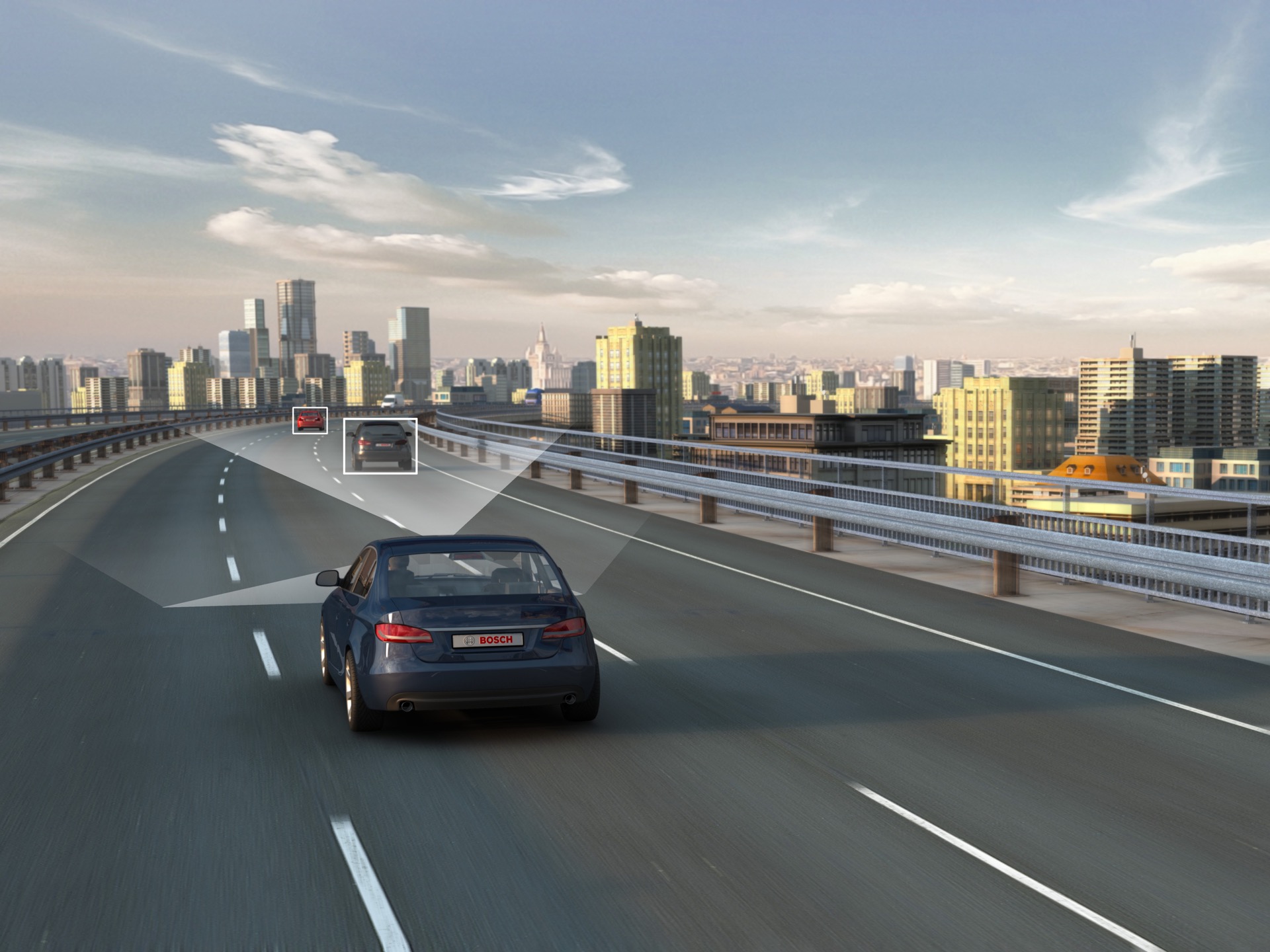
Many drivers don’t know that Advanced Driver Assistance Systems could prevent 40% of road accidents. Do you know what ADAS are and how they work?
40% of drivers admit they don’t know much about the Advanced Driver Assistance Systems, which have been mandatory in new vehicles since 2022, even though many of them are already fitted to a large share of the cars on our roads. This is one of the first conclusions of the report from the VIDAS Project, developed by Bosch and FESVIAL.
The road safety study reveals very interesting information, which could help launch measures to improve awareness of how effective these systems are, as well as other aspects even less known than how they work: legislation, maintenance, and so on.
What are ADAS systems?
Before going any further, let’s recall what ADAS systems are. They are safety systems that help the driver day to day to make driving safer. They should not be confused with autonomous driving systems.
Among the most popular ADAS systems are the driver fatigue detector, automatic light activation, tyre pressure monitoring, the blind-spot warning, adaptive cruise control, the rear cross-traffic alert, the lane-keeping assistant, autonomous emergency braking capable of detecting even pedestrians or cyclists…
You’re probably starting to recognise them now. And very likely your car has some of these systems, although according to the study, the level of equipment of the most advanced ADAS systems in our vehicle fleet is still medium-to-low.
What drivers think about ADAS systems
Surprisingly, a very high percentage of drivers do not believe that driving a car with ADAS systems is safer: specifically, 34%. This percentage rises to 50% when we talk about drivers who believe their skill at the wheel in a risky situation is greater than what driver assistance systems can deliver. It is paradoxical, given that 90% of accidents are due to human error, and this is precisely where ADAS systems can do a great deal for us.
Two further figures reflect this distrust of ADAS, which is clearly due to a lack of knowledge: 30% of drivers believe they do not help reduce accidents or their severity, and 70% do not trust them to be “smart” enough to guarantee safety. If these drivers could see how an emergency braking system is able to stop the vehicle before a possible collision, even when the driver has lost concentration and is not paying attention to the road, they would surely not think the same.
ADAS systems in new and used cars
Given this perception drivers have of ADAS systems, it is no surprise that the VIDAS Project report also reveals that they are equipment considered secondary by buyers, both for new and used vehicles. Salespeople placing more emphasis on the advantages of these systems when a buyer visits a dealership could help them configure their car with more thought given to safety than to looks. Because larger alloy wheels or a sunroof look great; but if you haven’t tried it, you can’t imagine the comfort and safety you gain on a motorway journey if your car has active cruise control, for example.
Another interesting finding of the study is that 35% of respondents are unaware that the cameras and sensors used by ADAS systems need to be recalibrated or replaced, depending on the case, after an accident or collision.
If you’re not quite clear on what ADAS systems are for and how effective they are, take away this fact: it is estimated that if all vehicles were fitted with ADAS systems, around 40% of road accidents could be avoided, as well as 37% of serious injuries and 29% of deaths caused by road accidents.
Related information of interest
- Autonomous emergency braking: the biggest safety advance since the seat belt
- Black box: what data will this device record?


 Peugeot E-208 GTi: a battery-powered toy that revives the spirit of the 1980s sports cars
 New Lexus ES: luxury grows and goes electric
 First contact with the Dacia Sandero Hybrid 155: power and efficiency from €19,890
Deja un comentario