Audi begins testing the new e-petrol in engines
 David Lopez @espacionblanco
27 March 2018
3 min.
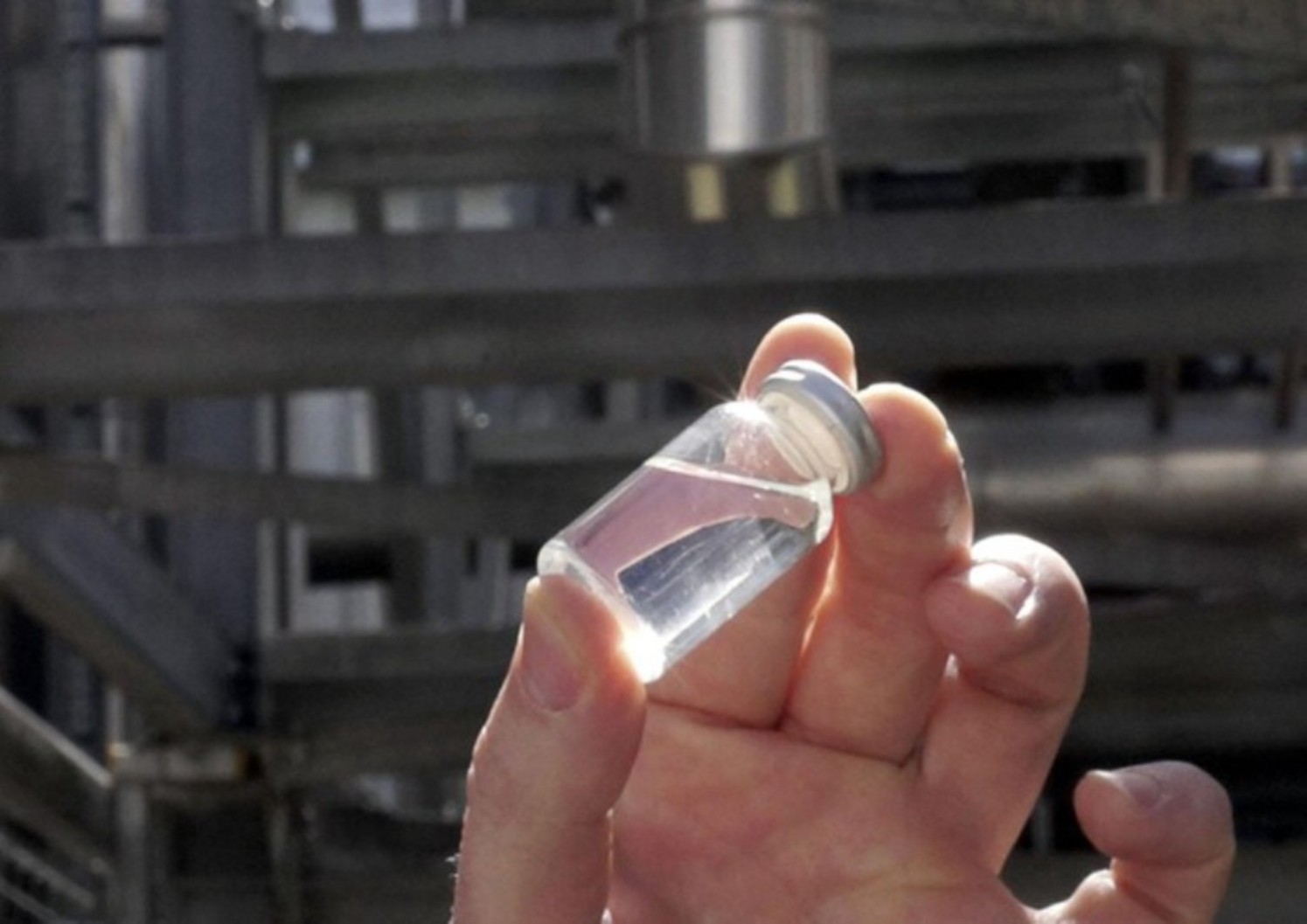
Audi continues to focus efforts and resources on creating synthetic fuels; a clear example is e-petrol, which is starting its engine tests
Electric motors, even though they still need much more development to match a conventional engine, are gaining more and more importance within the industry, and from 2019 or 2020 onward it will seem strange for any brand not to have an electric model in its range. Even so, brands such as Mazda are convinced that the combustion engine still has plenty of life left, and it is not the only one to think so, Audi does too.
However, the two differ in how they see the future use of the combustion engine: Mazda is sure these engines can still be developed much further, with the aim of making them very efficient and making better use of the energy that is currently wasted. Meanwhile, Audi’s idea revolves around the use of synthetic fuels, fuels created in a laboratory for our engines, maintaining current power levels but with minimal emissions.
We have already told you about the synthetic fuels that Audi wants to create; there are three in particular: e-petrol, e-diesel and e-gas. At the end of 2017, Audi announced the creation of an e-diesel production plant in Laufenburg, an efficient facility that makes the fuel through electrolysis, converting surplus hydroelectric power into synthetic fuel. In this way, step by step, Audi continues to meet its announced deadlines and goals, to the point that it has finally announced e-petrol tests in real engines.
To do so, Audi, together with its project partners, has managed to produce 60 litres of e-petrol, enough to start testing on engine dynamometers. This fuel, which is essentially liquid iso-octane, is produced from biomass in two main steps: first, gaseous isobutene is produced, and then, using additional hydrogen, it is converted into iso-octane. This yields e-petrol, a fuel free of sulphur and benzene, so pollutant emissions are really low when it is burned.
This fuel has now reached the hands of Audi’s engineers, who will test it on engine dynamometers, paying special attention to combustion and emissions behaviour, although the engine itself will also need monitoring, since with e-petrol it is possible to increase the engine’s compression ratio and, consequently, increase efficiency.
Alongside the tests, the next goal for Audi will be to modify the e-petrol production process together with its partners so that it no longer requires biomass; instead, like e-diesel, its “raw materials” must be obtained from renewable energy sources. A fully achievable objective, since, as I mentioned earlier, the hydroelectric power from the Laufenburg plant is estimated to allow production of around 400,000 litres of e-diesel per year.


 Peugeot E-208 GTi: a battery-powered toy that revives the spirit of the 1980s sports cars
 New Lexus ES: luxury grows and goes electric
 First contact with the Dacia Sandero Hybrid 155: power and efficiency from €19,890
Deja un comentario