BMW has shelved the project for an all-electric supercar with more than a thousand horsepower
 Javier Cantagalli
26 December 2024
3 min.
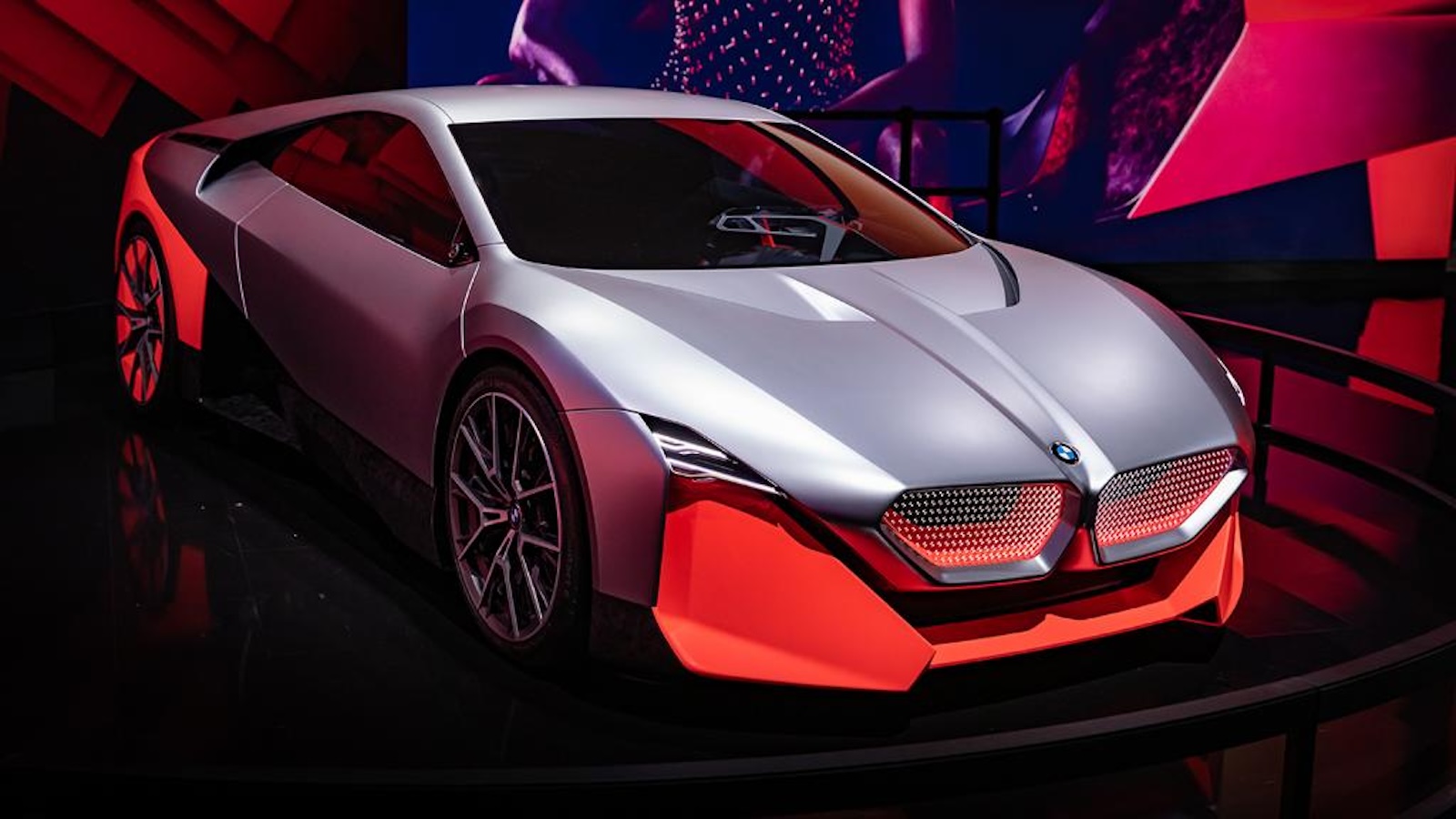
The management of BMW does not consider that the current state of the electric vehicle market is ideal for tackling such a risky project at this time.
A recent report in German media refers these days to the launch of a supercar from the Bavarian firm that will ultimately never see the light of day. According to reports, a team of engineers at BMW was working on the development of a high-performance electric model, which promised to be a true revolution in both design and the engineering solutions it integrated.
The project was apparently quite advanced, with even a clay model of it having been built. A step in the usual development phase, prior to the construction of a first prototype. However, according to this report, the management of BMW halted this project, citing serious doubts about its profitability as well as its technical feasibility.
Everything points to the development of this all-electric supercar having begun when there was tremendous optimism in the market about how quickly the transition to electric mobility would take place. However, over time, that optimism has diminished as sales volumes of electric vehicles have not been as high as expected. The current state of the electric vehicle market and its future growth expectations are precisely what may have led the executives of the Bavarian firm to hit the brakes and avoid taking risks.
What we have missed
According to some sources, the all-electric supercar that BMW was developing would have dazzled fans of the brand and of the automobile in general, with its sporty, futuristic and bold design, as well as its performance on the track with around 1,300 horsepower. That is, nearly a thousand kW.
For the moment, it is unknown whether BMW might someday revive this project, but if it does, everything points to it not happening soon. As demand for electric models grows within its segment, it will make more sense for the executives of BMW to take it out of the drawer, but by then it will surely also be necessary to make many changes to adapt it to the state of the technology at that time.
Looking back, the BMW i8 has been the most recent supercar from the Bavarian firm. A vehicle with a plug-in hybrid configuration and a three-cylinder engine that some criticised, arguing that it fell short for a vehicle like this. Despite its futuristic appearance and innovative technology, the truth is that it cannot be said to have been a success for the brand. Its successor, based on the prototype BMW Vision M Next, does not seem likely to become reality in the short or medium term either. This demonstrates the caution of the executives at BMW when it comes to launching a new supercar onto the market.


 Kia offers an electric range of 10 models, 50 versions and 400 possible combinations
 The seven finalists for the 2027 European Car of the Year (COTY) are exclusively electric
 Peugeot E-208 GTi: a battery-powered toy that revives the spirit of the 1980s sports cars
Deja un comentario