BMW will use recycled fishing nets in visible trim on its models
 David Lopez @espacionblanco
28 November 2022
3 min.
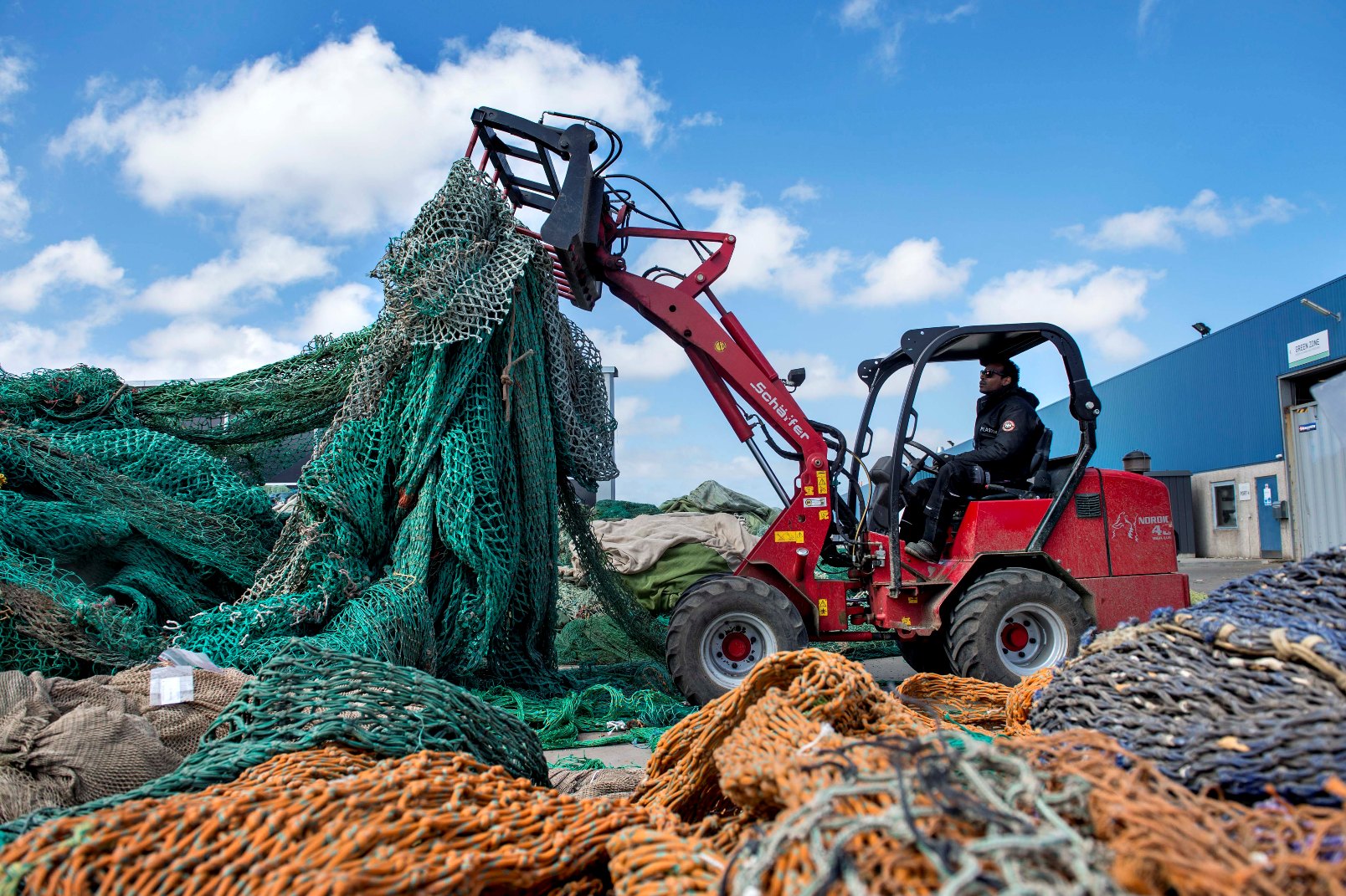
BMW has found a new use for Econyl, which from 2025 will also be used in the exterior and interior trim of its electric models
The revolution we are witnessing in the automotive industry is not only changing the type of powertrains in every vehicle, it is also changing the way different brands work, with increasingly sustainable factories that in turn produce components with a higher percentage of recycled materials, which are later installed in the various models they manufacture.
This is something that brands like are already introducing to a greater or lesser extent in the models they make, and there are many examples, although we can mention, for instance, the Oryzite or rice husk that SEAT wants to use to reduce the use of plastic; the various materials that Mercedes-Benz will use to reach 40% recycled content in its vehicles by 2039; or the recycled plastic bottles and fishing nets that both Jaguar Land Rover and Volvo will begin to use in their vehicles.
Precisely, fishing nets are one of the many materials wreaking havoc on our oceans, not only because of what they pollute but because they entangle animals. Fortunately, it is a material that many brands have set their sights on recycling so that it becomes part of the components used in their vehicles. The material resulting from its recycling is known as Econyl, which is obtained from fishing nets as well as worn flooring and waste from plastic production.
BMW is now another brand joining the broad use of Econyl, a move it will make in collaboration with the Danish company Plastix. Until now, Econyl has been used mainly in the form of fibres for new vehicle components; in fact, the floor mats of the BMW iX and the new BMW X1 are made with it. But BMW has decided to go one step further, since technological developments now make it possible to use Econyl for the first time in the injection moulding process.
This will undoubtedly widen the range of applications for Econyl, since using it in the injection moulding process makes it possible to create trim pieces for both visible and non-visible areas of the exterior and interior of its vehicles, which will contain around 30% marine plastic waste. In fact, BMW has already confirmed that from 2025 its vehicles built on the Neue Klasse platform, the one used for its fully electric vehicles, will feature this type of trim.
The German brand has also set itself another goal: to increase the use of secondary materials in the thermoplastics used in its new vehicles, to rise from the current 20% to 40% by 2030.


 The seven finalists for the 2027 European Car of the Year (COTY) are exclusively electric
 Peugeot E-208 GTi: a battery-powered toy that revives the spirit of the 1980s sports cars
 New Lexus ES: luxury grows and goes electric
Deja un comentario