Comfort and space in the Geely Starray EM-i: A plug-in hybrid for the whole family
 Iván Navarro
4 May 2026
8 min.
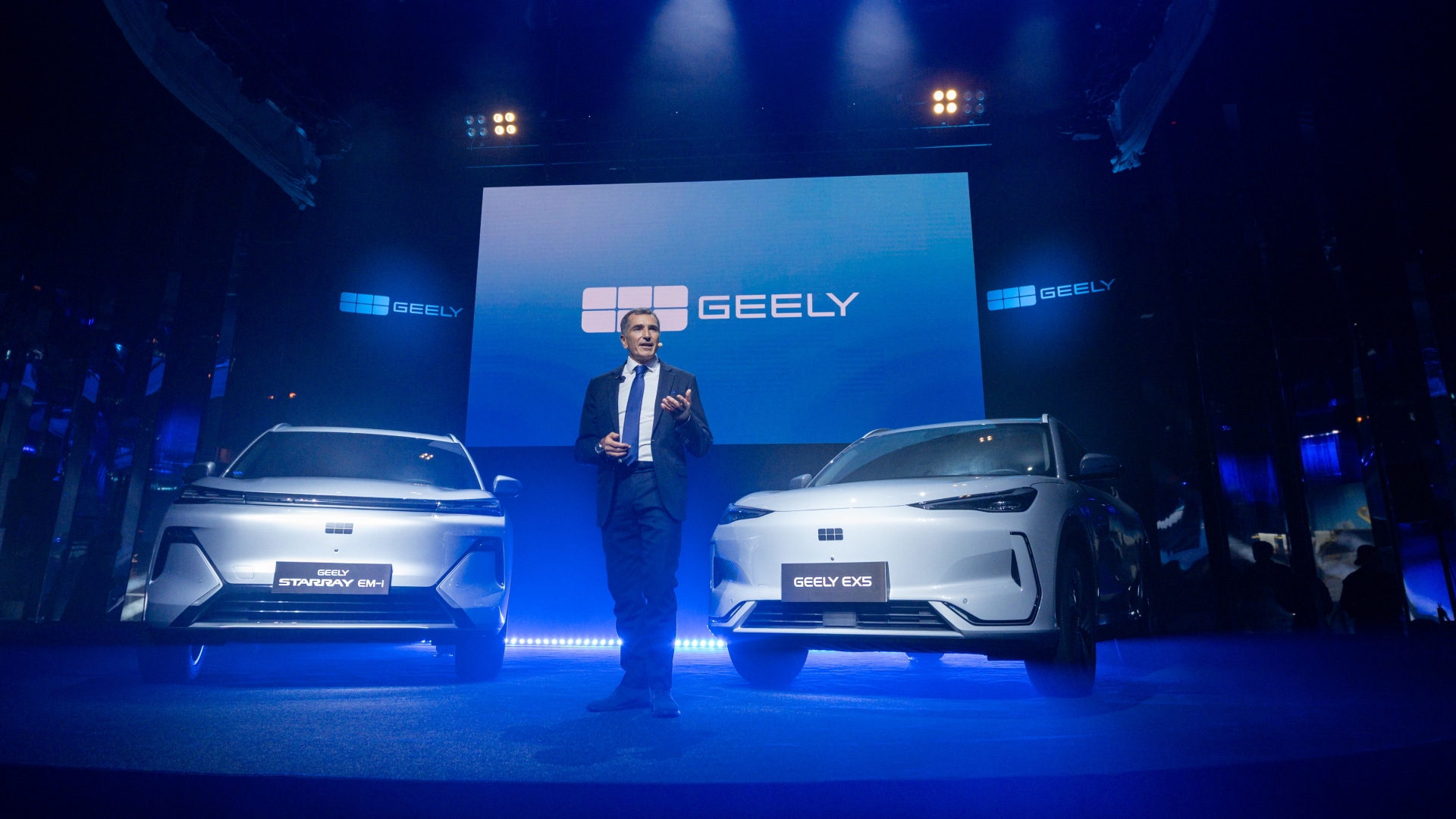
This vehicle stands out for its sophisticated technological integration, offering an intelligent interface that connects the driver with the surroundings in a smooth and safe way.
The Geely Starray EM-i is a plug-in hybrid designed for families who want space and comfort without giving up efficient driving. In this road test we analyse why its spacious cabin, practical layout and complete technology package make it an attractive option for long journeys and daily use. We will evaluate the mechanical range, handling, homologated and real-world consumption, interior ergonomics, boot capacity and how it stacks up against PHEV alternatives in the segment.
What kind of car is the Geely Starray EM-i and where does it sit
The Starray EM-i is a mid-size family SUV with a plug-in hybrid (PHEV) system aimed at buyers who need versatility and efficiency. It competes with other PHEV offerings in the segment such as the Peugeot 3008 Hybrid4, the Mitsubishi Outlander PHEV or the Ford Kuga PHEV. Its value proposition rests on a roomy interior, a competitive price for its class and an electric range sufficient to cover much of everyday urban driving.
Its target customer is the family that prioritises habitability and comfort but also values the option of running in 100% electric mode day to day. The balance between entry price and equipment places it in the middle of the segment, with an attractive offer compared with more expensive or sportier alternatives.
Geely Starray EM-i in detail: complete technical analysis
Engine range and recommended version: The Starray EM-i is available as a plug-in hybrid, combining a petrol engine with one or more electric motors. The version tested, the most representative of the range, produces a combined output of approximately 211 CV which provides sufficient response for regular family use. It is the most balanced configuration between performance and efficiency and the one we recommend for its price-to-equipment ratio.
Performance and consumption: Top speed is around 185 km/h and acceleration is adequate for slip roads and overtaking on rural roads. The homologated consumption of the PHEV version is around 1.4 l/100 km, while in real use it usually sits close to 6.2 l/100 km when long trips and city driving are combined without making heavy use of electric charge. The WLTP electric range is around 84 km, enough to cover the urban journeys of most families and significantly reduce fuel consumption day to day.
Platform and handling: It uses a platform designed for its segment, with suspension tuned for comfort. On secondary roads it shows a safe balance, without going too far into sporty set-up: priority is given to stability and comfort on long journeys. The steering is precise enough for urban manoeuvres, and the driver assistance systems (ADAS) cover basic functions such as adaptive cruise control, lane keeping assist and autonomous emergency braking.
Interior and ergonomics: The sense of spaciousness is one of its strong points. The materials combine hard plastics with padded surfaces in contact areas; the perceived quality is adequate for its price range. The instrument cluster and centre console integrate digital screens with clear menus and wireless smartphone connectivity. The ergonomics place the essential controls within easy reach, and the front seats are comfortable for long trips.
Space and boot: The cabin offers good habitability in the rear seats, with legroom suitable for adults on long journeys. The boot of the PHEV version is around 520 litres, a practical figure for families and sufficient for weekend getaway luggage. Versatility and numerous storage compartments make everyday use easier.
Real-world consumption and WLTP range: Homologated consumption is around 1.4 l/100 km, while in real use it usually sits close to 6.2 l/100 km. The WLTP electric range approaches 84 km and the battery has a capacity of around 18.7 kWh, figures that allow efficient use in urban journeys and a noticeable reduction in fuel use.
Equipment and safety: The technology package includes multimedia systems with a touchscreen, digital instrumentation, several safety assistants and comfort options such as heated seats and a panoramic roof. Overall, the equipment available positions the Starray EM-i as a complete alternative in its segment.
Recommended version: We recommend the mid-range version of the line-up, which balances price, power and technology equipment; it offers the most useful battery and range for mixed use without making the vehicle excessively expensive.
The best
- Spacious and comfortable cabin, ideal for families.
- Efficiency and sufficient electric range for day-to-day use.
- Attractive value for money within the PHEV segment.
Room for improvement
- Some interior plastics could be of higher quality.
- Handling is somewhat geared towards comfort rather than sportiness.
Who is this model for?
It is an option for families looking for a spacious and comfortable vehicle with the advantage of being able to cover most of their daily journeys in electric mode. It also appeals to those who want a practical PHEV with a good boot, without paying the premium of more expensive alternatives.
Main technical data
| Feature | Figure | Score |
|---|---|---|
| Power | 211 CV | 8 |
| Consumption | 1.4 l/100 km (homologated) | 7 |
| Top speed | 185 km/h | 7 |
| Electric range | 84 km (WLTP) | 8 |
| Battery | 18.7 kWh | 7 |
| Boot | 520 litres | 8 |
| Length | 4,680 mm | 7 |
| Price from | 34,900 € (approx.) | 8 |
score out of 10 based on the criteria analysed in this article
Alternatives to the Geely Starray EM-i
Peugeot 3008 Hybrid4: A PHEV version with a dynamic focus, offering up to 300 CV combined in its most powerful configuration. It strikes a good balance between performance and electric range (around 60-70 km WLTP depending on version), but usually sits a step higher in price, at around 44,000 € in its entry version.
Mitsubishi Outlander PHEV: A well-known alternative in the PHEV segment for its practicality and all-wheel drive in some versions. Combined output of approximately 224 CV and electric range close to 80-90 km WLTP in the latest generations; its price is usually higher, aimed at buyers who prioritise modularity and 4×4 options.
Ford Kuga PHEV: Offers a PHEV powertrain with combined output of around 225 CV and an electric range of between 50 and 60 km WLTP depending on configuration. It is an option with a more dynamic set-up than average and entry prices around 42,000 €.
Technical comparison against its rivals
| Model | Power | Consumption / range | Top speed | Price | Score |
|---|---|---|---|---|---|
| Geely Starray EM-i | 211 CV | 1.4 l/100 km / 84 km | 185 km/h | 34,900 € | 8.8 |
| Peugeot 3008 Hybrid4 | 300 CV | 1.6 l/100 km / ~65 km | 225 km/h | 44,000 € | 8.6 |
| Mitsubishi Outlander PHEV | 224 CV | 1.7 l/100 km / ~85 km | 200 km/h | 46,500 € | 8.2 |
| Ford Kuga PHEV | 225 CV | 1.5 l/100 km / ~55 km | 200 km/h | 42,000 € | 8.4 |
score out of 10 based on the criteria analysed in this article
In this comparison the most balanced model in terms of size/price/efficiency is the Starray EM-i: it offers a cheaper entry price and competitive electric range. The 3008 holds its own with superior performance, the Outlander offers versatility and the Kuga a more dynamic set-up.
FAQ – Frequently asked questions
What is the real electric range of the Geely Starray EM-i? — The WLTP range is around 84 km; in real use, depending on driving style and temperature, it is similar for urban journeys and somewhat lower on the motorway.
What real consumption can I expect from the Starray EM-i? — Homologated consumption is very low for a PHEV (around 1.4 l/100 km), but in mixed real-world use it sits close to 6.2 l/100 km if electric charging is not used regularly.
How much boot space does it have and is it enough for a family? — The boot is around 520 litres in the PHEV version, a practical capacity for families and suitable for long journeys and weekend luggage.
Which version of the Starray EM-i is the most recommended? — The mid-range version, for its balance of equipment, range and price, is usually the one offering the best value for money for most families.
Is it a good alternative to models such as the Peugeot 3008 or the Ford Kuga? — Yes: compared with those alternatives, the Starray EM-i stands out for a more affordable entry price and competitive electric range; if pure performance or all-wheel drive is a priority, it may be worth looking at other models.
What extra maintenance does a PHEV like this involve? — Maintenance is similar to that of a petrol car with the addition of battery and electrical system care. It is important to follow the manufacturer’s recommendations for charging and the specific checks for the plug-in hybrid system.
Final verdict: why choose the Geely Starray EM-i?
Reasons to choose it:
- Technical reason: good WLTP electric range (≈84 km) and a well-balanced powertrain that delivers very low homologated consumption.
- Practical reason: spacious cabin and boot (≈520 litres), ideal for families and long journeys.
- Economic reason: competitive entry price within the PHEV segment, with a complete equipment offer.
The Geely Starray EM-i is a solid option for those seeking a family plug-in hybrid focused on comfort and space, with an electric range that covers most urban journeys. Compared with rivals such as the Peugeot 3008 Hybrid4, the Mitsubishi Outlander PHEV or the Ford Kuga PHEV, its main argument is the balance between habitability, electric range and price. For families who prioritise efficiency and practicality without moving into premium segments, it is an alternative worth considering.


 Kia offers an electric range of 10 models, 50 versions and 400 possible combinations
 The seven finalists for the 2027 European Car of the Year (COTY) are exclusively electric
 Peugeot E-208 GTi: a battery-powered toy that revives the spirit of the 1980s sports cars
Deja un comentario