Cracked tyres: what are they? How can you detect them? What dangers do they pose?
 Antonio Roncero @roncero_antonio
10 August 2020
4 min.
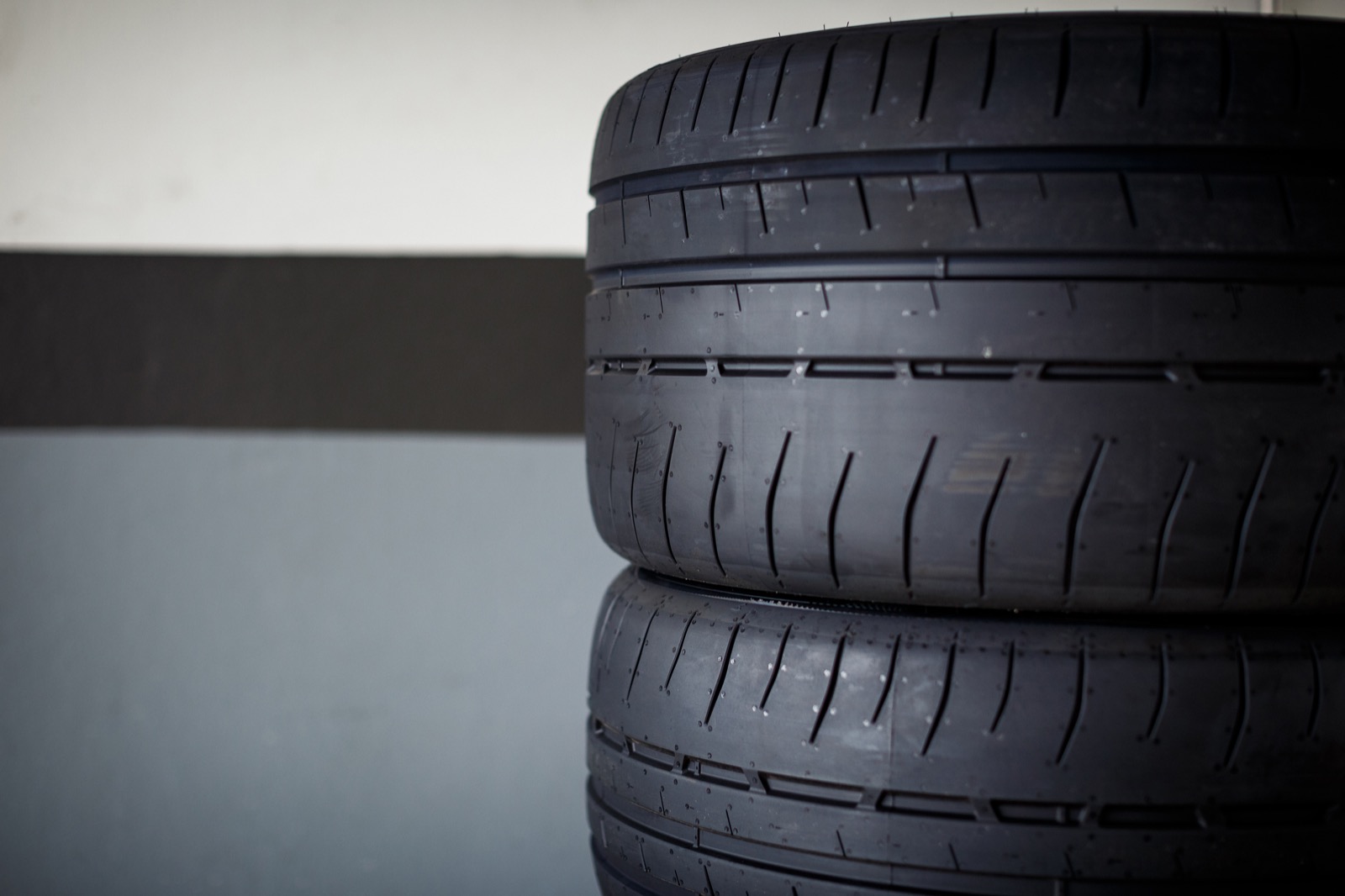
The loss of properties in the rubber from which they are made means that a cracked tyre loses its qualities, with the danger that this poses for safety.
You have probably heard the expression “these tyres are cracked” more than once. But… do you know exactly what this means? How can we tell whether the tyres on our car have cracked? What dangers does this entail?
What does it mean for a tyre to have cracked?
A tyre is said to have cracked when the rubber it is made from loses its flexibility and, with it, much of its physical properties. It is a chemical process, which causes the rubber to go from being elastic to becoming rigid.
This can happen for several reasons. For example, because the tyres were manufactured a long time ago. It can also happen because they have been subjected to very high temperatures for prolonged periods, for example, during sporty driving. Or because they have spent a long time outdoors, and have been affected by solar radiation, cold, humidity or temperature changes.
In this regard, it is worth mentioning that tyres do not have an expiry date as such. However, it is recommended that wheels be inspected by a specialist five years after their date of manufacture.
Why is a cracked tyre dangerous?
The danger of cracked tyres lies in the loss of performance and efficiency they show. There is another problem to add, however: a cracked tyre may look perfectly fine in terms of tread pattern on the tread surface, so it gives no visual “clues” of its deterioration.
Among the risks a cracked tyre may present, due to the loss of elasticity in the rubber, we can find the following:
- Blowout. As the temperature rises while driving, the pressure increases. And if the rubber has lost elasticity, so has its capacity to withstand higher pressures.
- Longer braking distance and less grip. In general, loss of flexibility in the tread causes a decrease in all tyre performance characteristics related to grip, whether lateral or longitudinal. The consequences can be loss of control of the vehicle. This also includes longer braking distances.
- Higher risk of aquaplaning. The design of the tread and the depth of the tread pattern are key to reducing the phenomenon of aquaplaning, whereby a layer of water forms between the road and the tyre that the latter cannot evacuate. Here too, the elasticity of the rubber comes into play. A cracked tyre will be more dangerous, as it may aquaplane at a lower speed or with a greater depth of water.
- Increased fuel consumption. Another symptom a cracked tyre may show is increased consumption. If you usually drive on motorways and have not noticed any loss of grip or other performance, an increase in fuel consumption may be a clue.
How can I tell whether my tyres have cracked?
The best thing you can do if you have even the slightest doubt is to visit a tyre specialist workshop, where they can carry out a diagnosis. Keep in mind, as we have pointed out, that tyre cracking does not depend on mileage or remaining tread depth.
A “homemade” trick is to press with a fingernail on some areas of the tread, in an attempt to check whether the rubber gives way under pressure and lets the nail sink in slightly. If it does not, and the rubber is clearly stiff or hard, this may be a symptom of cracking. Sometimes, when this phenomenon is very pronounced, white or shiny marks may be detected on some areas of the tread.
However, this is not a one hundred percent reliable method. Mainly because, unlike wear, for which there is an established limit (1.6 mm) and a visual inspection can be carried out to see whether it is even or affects a specific area of the tyre more, in the case of cracking there is no way to establish a real measurement parameter for the pressure that must be applied and the reaction the rubber should show.
For this reason, our recommendation, if you suspect your tyres may have cracked, is to visit a specialist workshop.
What is the solution for cracked tyres?
There is only one thing you can do when tyres have cracked: replace them. And don’t think about it too much if you don’t want trouble.
It doesn’t matter if the tyre appears to have many kilometres left, whether it still has plenty of tread or shows no uneven wear. With cracked tyres, they simply should not continue to be driven on.
Related information of interest


 Peugeot E-208 GTi: a battery-powered toy that revives the spirit of the 1980s sports cars
 New Lexus ES: luxury grows and goes electric
 First contact with the Dacia Sandero Hybrid 155: power and efficiency from €19,890
Deja un comentario