Guide to properly loading your car to avoid scares... and fines
 Victor Alós Yus @sepelaci
15 February 2017
4 min.
A few days ago we saw how a driver was stopped by the Mossos d’Esquadra on the AP-7 because they detected that the cargo in his car was badly placed. An excessive load on the car’s roof, in addition to several poorly fitted bicycles on the bike rack. They got a surprise when they looked inside and saw that instead of five people there were seven passengers. And above them, on the roof of the cabin, a 50-inch television, tied down in any old way and posing a serious risk to the occupants. Needless to say, the driver came away from that trip with an unpleasant memory in the form of a fine.
And the days of piling luggage into the car any old how are over. Part of the measures adopted over the years to increase safety on both urban and interurban roads has been to establish minimum rules for loading private cars. On trips, many suitcases and other bags can add up, but they all have to be properly placed, avoiding these risks.
Cargo in the boot
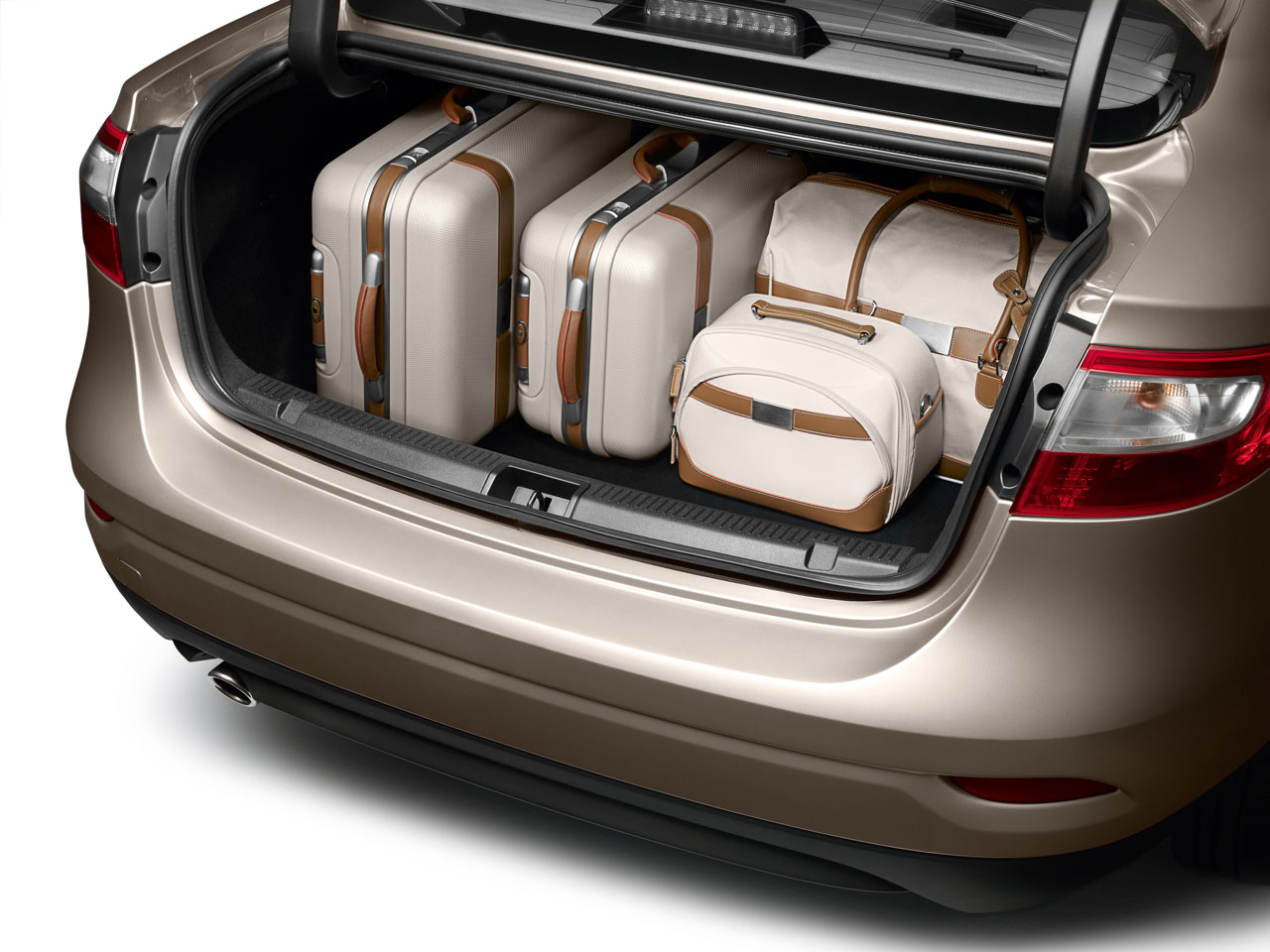
Boots can carry luggage comfortably and safely, but it must still be securedThis is the first thing to remember. Luggage should go in the boot, not in the rear part of the cabin. The boots are designed to hold suitcases and other bags. The capacity of most vehicles is sufficient to store all the passengers’ luggage, so it should be used properly. Heavier items should preferably travel at the bottom of the boot.
This helps keep the centre of gravity lower and prevents these items from moving freely. If there were a risk of movement, they should be secured with tension straps or any other approved system to hold them firmly. Many models have hooks in the boot that make it easier to use this type of restraint. On top of these heavier items, place the lighter ones, and the lightest items last.
As with any other load, the cargo must be secured. If the load shifted, it could make the vehicle swerve and cause, at the very least, a serious scare for the driver. Other areas can be used to place cargo, but certain precautions must be taken to prevent it from moving and creating hazards.
Placing cargo in the cabin
When the cargo exceeds the boot’s capacity, it has to be placed outside it. The rear shelf above the boot can be removed on many models, increasing its capacity. Rear visibility through the rear window may be obstructed, since we have external mirrors, although this is not recommended.
If the cabin is used to carry luggage, it must be secured to avoid risky situations. In any case, if the load exceeds the limit of the rear seat, it must be tied down to prevent it from shifting and striking the rear occupants. If it cannot be secured, some of the luggage could be placed at the feet of the rear passengers, always wedged in the lower area to prevent any movement.
The car’s roof may have roof bars, what we used to call a roof rack. The best option is to fit a roof box, small plastic or similar-material boxes, durable and practical. The load must be well secured and covered, so if no roof box is available, it must be properly fastened and covered with a tarpaulin to prevent any item from detaching accidentally and causing an accident.
And above all, all fastening elements must be approved and not improvised. Safety is vital, and all cargo must be firmly secured, unable to move, and placed in the designated areas for transport. Doing otherwise can lead to unpleasant surprises, both from scares caused by luggage and from traffic officers.


 Peugeot E-208 GTi: a battery-powered toy that revives the spirit of the 1980s sports cars
 New Lexus ES: luxury grows and goes electric
 First contact with the Dacia Sandero Hybrid 155: power and efficiency from €19,890
Deja un comentario