Opel Hybrid Cars Range / versions Technology
How does the new 48V mild-hybrid technology of Opel work?
 Óscar Sanz
16 August 2024
3 min.
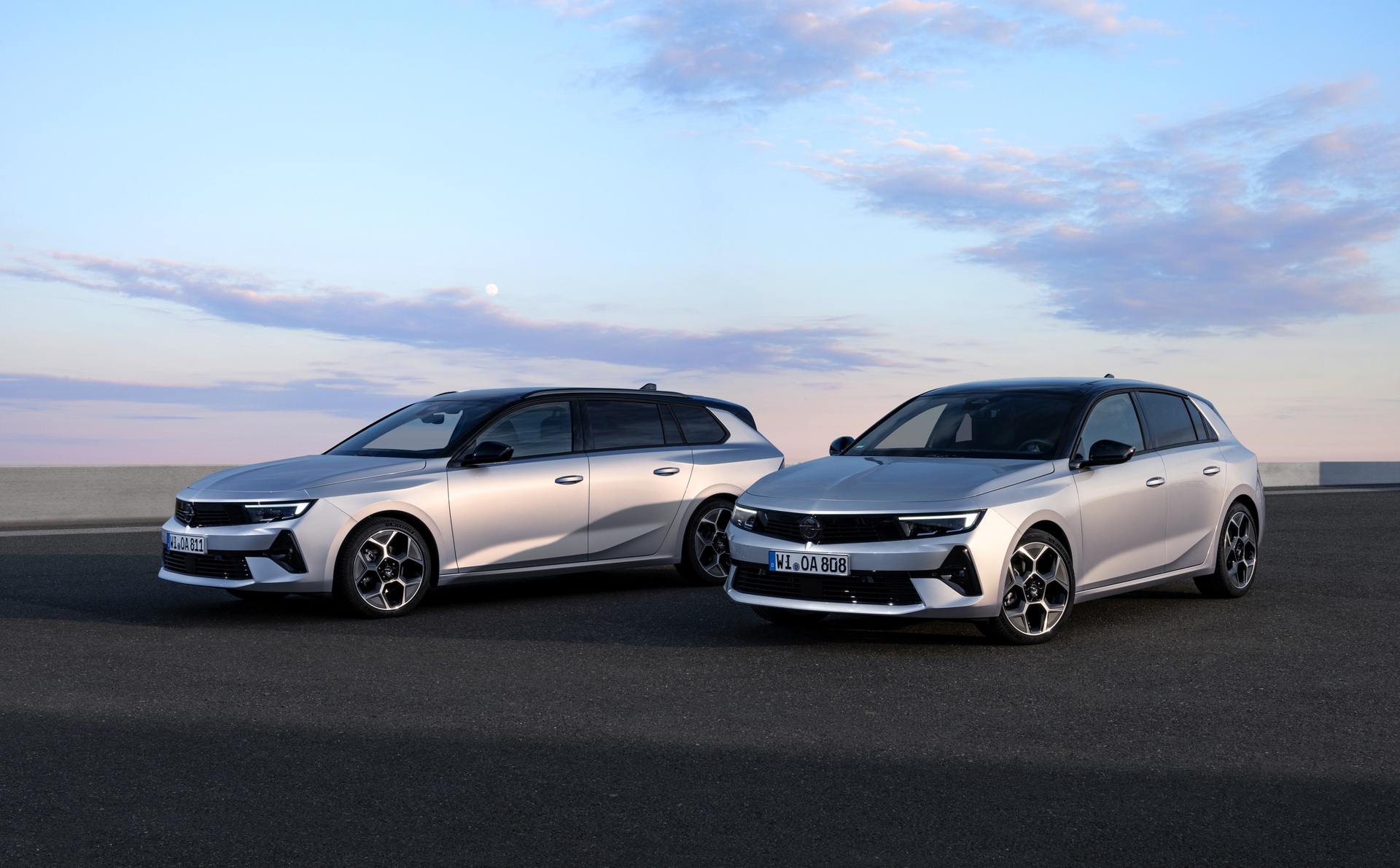
Opel has incorporated 48V mild-hybrid technology into its new model range, a technology that, in addition to earning the ECO label, delivers efficiency, comfort and practicality
Opel has recently introduced its new 48-volt hybrid technology, designed to deliver smooth, pleasant electrified driving without the need to recharge the vehicle. The latest addition to its hybrid range is the Opel Frontera Hybrid, an affordable, family-friendly SUV that will be available soon with this technology. The Frontera Hybrid combines a 1.2-litre turbocharged petrol engine producing 74 kW (100 CV) with a 21 kW (28 CV) electric motor and a six-speed dual-clutch transmission, which allows it to achieve a significant reduction in fuel consumption and CO2 emissions compared with conventional vehicles. It will also be available in a 100 kW (136 CV) turbo hybrid version.
Opel already offers a wide range of models with this hybrid technology, from the Opel Corsa to the Opel Grandland SUV. This 48-volt hybrid technology stands out for being compact, cost-effective and efficient, while reducing fuel consumption and CO2 emissions by up to 18% compared with similar combustion-engine vehicles.
A special mild hybrid
In everyday use, the hybrid system alternates between the petrol engine and the electric motor. In urban environments at low speeds, the electric motor enables fully electric driving for up to one kilometre, ideal for manoeuvring in the city. In addition, during deceleration, the electric motor recharges the 48V battery. Drivers can choose between three driving modes: Eco, Normal and Sport, the latter prioritising performance with the petrol engine always active.
The driver information display in Opel Hybrid models offers intuitive access to key data about how the vehicle is operating, tailored to the needs of hybrid systems. This panel includes features such as a display of engine status: the numbers on the digital speed display are white when the petrol engine is active and turn blue when the vehicle is operating in electric mode. In addition, a power display replaces the rev counter, showing performance information in three categories: Power (when both motors work together), Eco (maximum energy efficiency), and Charge (energy recovery during deceleration).
Zero-emission information
The energy flow display allows the driver to see how the battery, the petrol engine and the wheels interact, and also shows the battery’s state of charge. When the vehicle is switched off, a trip summary display provides data such as distance travelled, trip duration, average consumption, remaining range, and the percentage of electric driving.
The 48-volt hybrid system in Opel includes a 1.2-litre three-cylinder petrol engine optimised for efficiency, a dual-clutch transmission designed specifically for hybrid applications, a 21 kW (28 CV) synchronous electric motor, and a belt-driven starter motor that enables smooth starting. In addition, a 48V lithium-ion battery is recharged through regeneration and the petrol engine. The vehicle also has two electrical networks: a 12V one for the car’s equipment and another 48V one for the hybrid system, with a DC converter that optimises energy distribution between the two.


 Peugeot E-208 GTi: a battery-powered toy that revives the spirit of the 1980s sports cars
 New Lexus ES: luxury grows and goes electric
 First contact with the Dacia Sandero Hybrid 155: power and efficiency from €19,890
Deja un comentario