Dacia e-5008 Hyundai Jogger Multivan Peugeot Santa Fe SEAT Tarraco Volkswagen Electric Cars Hybrid Cars Comparisons Family SUV
How to Choose a 7- to 9-Seater Vehicle with the Best Cost of Ownership in 2026: Real Consumption, Maintenance and Taxation
 Iván Navarro
29 November 2026
7 min.

We analyse which 7- to 9-seat SUVs and MPVs offer the lowest total cost of ownership in Spain in 2026, with real-world consumption, CO2-based taxation and maintenance costs by brand.
Buying a 7- or 9-seat car in 2026 is no longer just about fitting the child seats and the luggage. It is about the numbers: how much you spend each month, how much the next service costs and whether the registration tax eats up the savings the brochure promises. Large families and self-employed drivers who need to move groups have learned, by filling up the tank, that WLTP is a laboratory reference and the real bill is something very different.
Why cost of use outweighs the sticker price in 2026
The purchase price is only the tip of the iceberg. A 7-seat SUV that costs 3,000 euros less can end up being more expensive after five years if its real consumption soars on the motorway with a loaded boot, or if insurance and maintenance sit a step above the average. In our view, the indicator that really matters is the TCO —total cost of ownership— and that includes consumption, taxation, insurance, tyres (seven-seaters wear them faster because of their weight) and depreciation.
Real vs WLTP consumption in the best-selling 7- to 9-seaters
In practice, a 7-seat diesel rated at 6.5 l/100 km usually comes in at around 7.5-8 l/100 km on the motorway with four occupants and luggage. Non-plug-in hybrids perform better in town than on long open roads, exactly the opposite of what many people expect. And PHEVs, if they are not plugged in every day, can end up consuming more than an equivalent diesel because of the extra weight of the battery. It is a nuance worth being clear about before being seduced by a CERO label.
Taxation 2026: registration tax by CO2 and ECO/CERO labels
The new registration scheme by CO2 bands penalises large seven-seater diesels more visibly, which usually exceed 150 g/km in real combined cycle. Plug-in hybrids with a CERO label and electric cars are exempt or almost exempt, and they also enter the Low Emission Zones of the big cities without restrictions. For anyone buying now, it is worth checking whether the chosen model qualifies under the Plan Auto+, whose exact amount should always be checked on the official website before closing the deal.
Maintenance by brand: which models are cheapest to keep
The differences here are greater than they seem. Mainstream brands with a large fleet in Spain —Dacia, SEAT, Skoda— usually have cheaper services and spare parts than premium or semi-premium ones such as Volkswagen with its Multivan range. Non-plug-in hybrids from Hyundai and Kia reduce brake and clutch wear thanks to regenerative braking, which over the long term offsets a somewhat higher entry price.
The models with the best cost of use, one by one
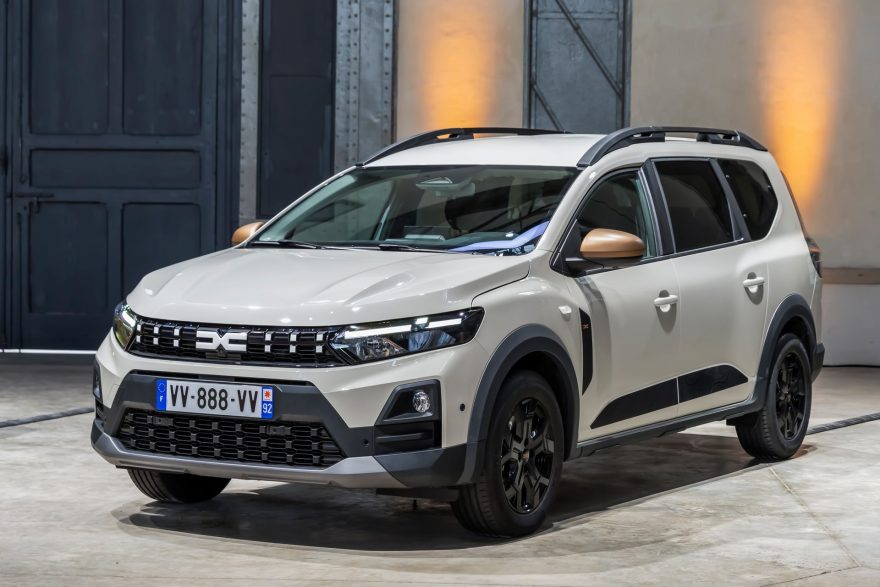
Dacia Jogger, from 18,940 € (21,450 € in 7 seats)
The cheapest seven-seater on the market and, surprisingly, not at all spartan. With the LPG bifuel (Eco-G 120) or the Hybrid 155 variant, the cost per kilometre is hard to beat in this segment.
| Engine | Power | Average consumption | Label | Fuel |
|---|---|---|---|---|
| Hybrid 155 | 115 kW / 156 CV | 4.6 l/100 km | ECO | Hybrid |
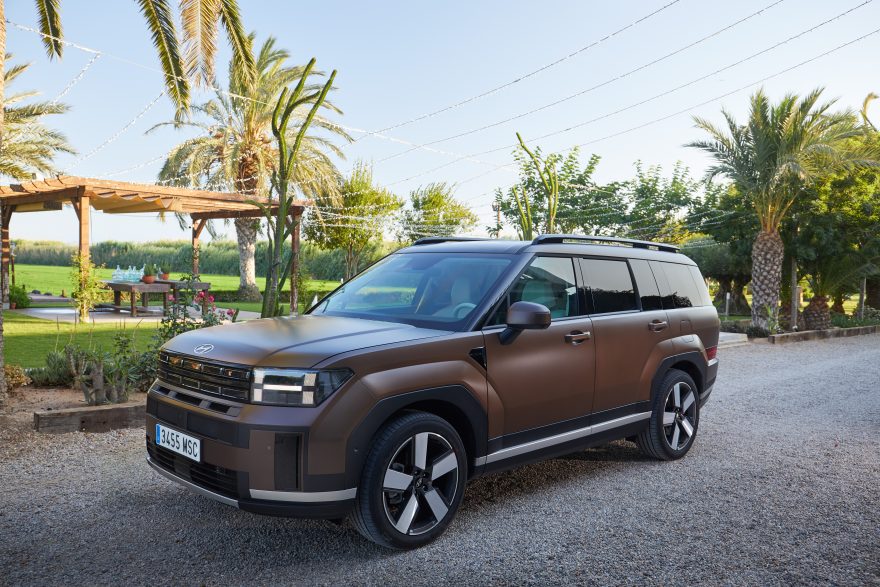
Hyundai Santa Fe, from 55,391 € (49,210 € with discounts)
Seven seats that are genuinely usable, not filler. The 1.6 T-GDi hybrid spreads consumption well between town and open road, and Hyundai offers long warranties that cushion depreciation.
| Engine | Power | Average consumption | Label | Fuel |
|---|---|---|---|---|
| 1.6 T-GDi HEV | 176 kW / 239 CV | 7.0 l/100 km | ECO | Hybrid |
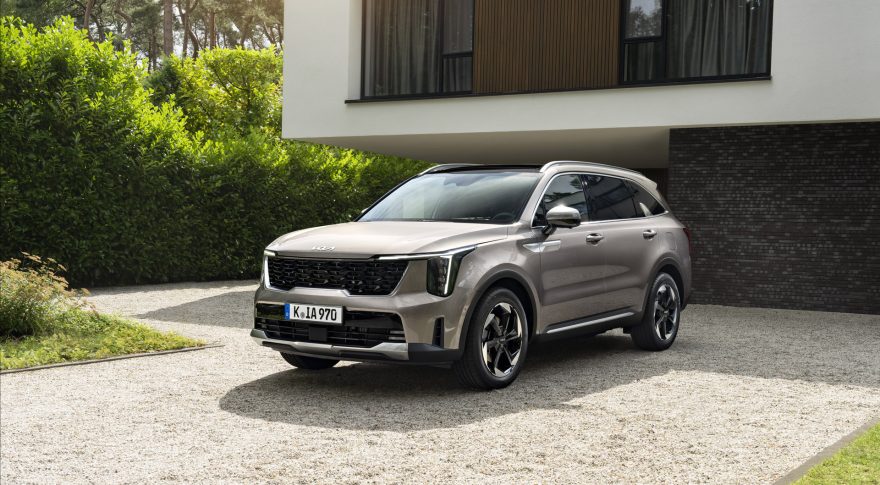
Kia Sorento, from 52,635 € (43,820 € with discounts)
Mechanically related to the Santa Fe, but positioned slightly more towards large families looking for boot space with the third row in use.
| Engine | Power | Average consumption | Label | Fuel |
|---|---|---|---|---|
| 1.6 T-GDi HEV | 158 kW / 215 CV | 6.6 l/100 km | ECO | Hybrid |
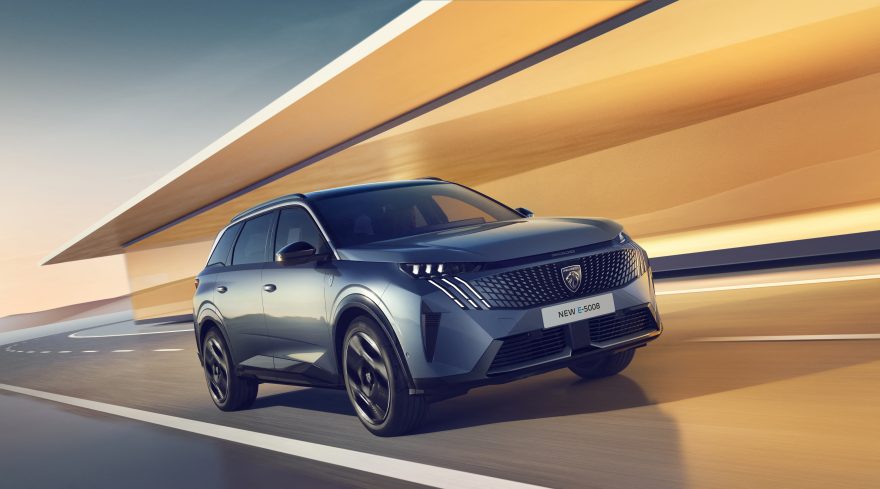
Peugeot 5008 / e-5008, from 34,950 € (44,380 € for the e-5008)
The hybrid version sits alongside the electric e-5008, which comes directly with a CERO label and unrestricted access to any LEZ. For those covering long urban journeys with home charging, the electric version pays for itself sooner than it seems.
| Engine | Power | Average consumption | Label | Fuel |
|---|---|---|---|---|
| e-5008 73 kWh | 157 kW / 213 CV | 17.9 kWh/100 km | CERO | Electric |

SEAT Tarraco, from 30,311 € (units in stock)
The most “driver-focused” of the group, with the 150 CV 2.0 TDI as the reference engine for those who do many motorway kilometres a year (available from stock now that production has ended).
| Engine | Power | Average consumption | Label | Fuel |
|---|---|---|---|---|
| 2.0 TDI 150 | 110 kW / 150 CV | 5.3 l/100 km | C | Diesel |
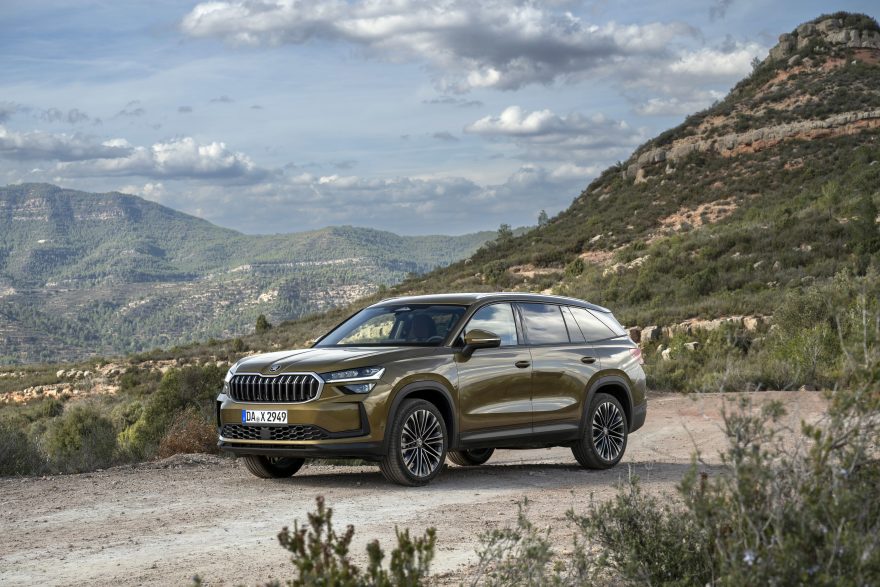
Skoda Kodiaq, from 44,285 €
The big brother of the Tarraco under the skin, with a slightly more generous boot and a PHEV that qualifies for a CERO label if charged regularly.
| Engine | Power | Average consumption | Label | Fuel |
|---|---|---|---|---|
| 1.5 TSI PHEV | 150 kW / 204 CV | 1.6 l/100 km (mixed cycle with charging) | CERO | PHEV |
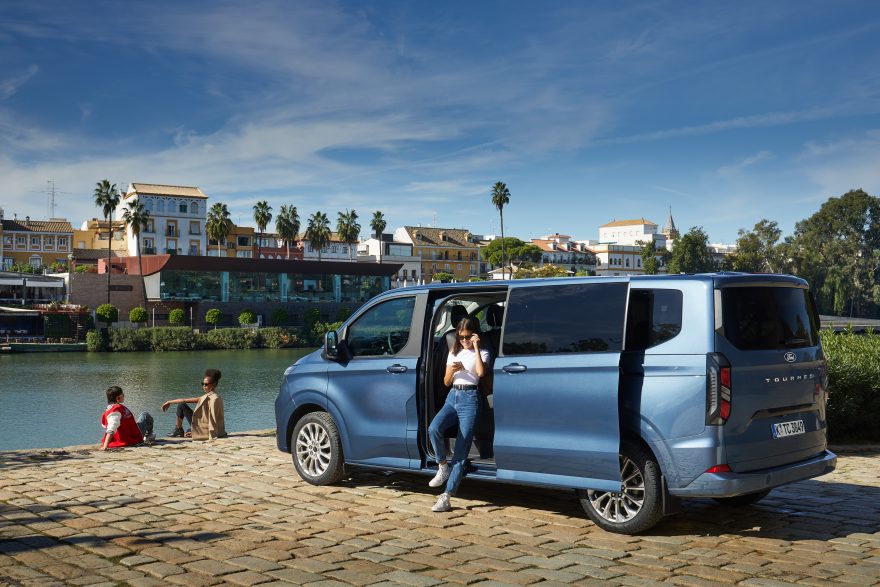
Ford Tourneo Custom, from 56,261 € (36,730 € with discounts)
The only one on this list designed from the outset for nine seats. More passenger van than SUV, but that is where its virtue lies: real space for large groups at a very competitive cost per seat.
| Engine | Power | Average consumption | Label | Fuel |
|---|---|---|---|---|
| 2.0 EcoBlue 150 | 110 kW / 150 CV | 7.4 l/100 km | C | Diesel |

Volkswagen Multivan, from 58,825 €
The most expensive to buy and to maintain, but also the one that ages best as an object. We have already discussed its virtues compared with the Mercedes-Benz V-Class: for mixed urban-interurban use, the eHybrid with a CERO label is the option with the best TCO in the entire range.
| Engine | Power | Average consumption | Label | Fuel |
|---|---|---|---|---|
| 1.5 eHybrid 4Motion | 180 kW / 245 CV | 2.8 l/100 km (mixed cycle with charging) | CERO | PHEV |
Diesel vs hybrid in 9 seats: which pays off according to mileage
Below 20,000 km per year, the non-plug-in hybrid usually wins: lower consumption in town, less mechanical wear and an ECO label that opens doors in the LEZs. Above that figure, with plenty of motorway driving, the modern diesel regains ground thanks to its lower consumption at steady speed. The PHEV only pays off with real discipline in daily charging; otherwise, it is questionable whether it deserves the initial premium.
Summary table and recommendation by usage profile
| Model | Price from | Label | Fuel | Cost of use score (1-10) |
|---|---|---|---|---|
| Dacia Jogger | 18,940 € | ECO | Hybrid | 9 |
| Peugeot e-5008 | 44,380 € | CERO | Electric | 8.5 |
| SEAT Tarraco | 30,311 € | C | Diesel | |
| Skoda Kodiaq | 44,285 € | CERO | PHEV | 8 |
| Kia Sorento | 52,635 € | ECO | Hybrid | 8 |
| Hyundai Santa Fe | 55,391 € | ECO | Hybrid | 7.5 |
| Ford Tourneo Custom | 56,261 € | C | Diesel | 6.5 |
| Volkswagen Multivan | 58,825 € | CERO | PHEV |
For urban families with little mileage, the Jogger or the e-5008 win by a landslide. For high mileage on the motorway, the diesel Tarraco is still hard to beat. And if budget is no obstacle and you are looking for the finest finish in a large MPV or SUV for long journeys, the Multivan eHybrid is, in my view, the choice that ages best.
Frequently asked questions
Which 7-seater has the best cost of use in 2026?
For mixed urban use, the Dacia Jogger Hybrid 155 and the Peugeot e-5008 lead the list on entry price, consumption and favourable taxation with an ECO or CERO label.
Is a 7-seat PHEV worth it if you barely plug it in?
Not really. Without daily charging, the battery’s extra weight pushes real consumption above that of an equivalent conventional hybrid, although it keeps the CERO label for LEZ purposes.
What is the difference between the ECO and CERO labels for everyday use?
The CERO label gives unrestricted access to any Low Emission Zone and is usually associated with larger tax exemptions; the ECO label offers partial advantages but may be restricted during high-pollution episodes.
Is a diesel or a hybrid better for a 9-seater with high mileage?
Above 20,000-25,000 km per year with mostly motorway driving, the modern diesel remains competitive in cost per kilometre; below that figure, the hybrid usually wins on consumption and maintenance.
Technical specifications of the cars in this article


 Kia offers an electric range of 10 models, 50 versions and 400 possible combinations
 The seven finalists for the 2027 European Car of the Year (COTY) are exclusively electric
 Peugeot E-208 GTi: a battery-powered toy that revives the spirit of the 1980s sports cars
Deja un comentario