BYD Corolla Cupra Golf HAN León Mazda Mazda 3 Toyota Volkswagen Compact Buying Guides Safety Technology
How to Choose a Compact with a Level 2 ADAS Package in 2026: Sensors, Cameras and the Features That Make the Difference
 Dani Montesinos
23 September 2026
6 min.
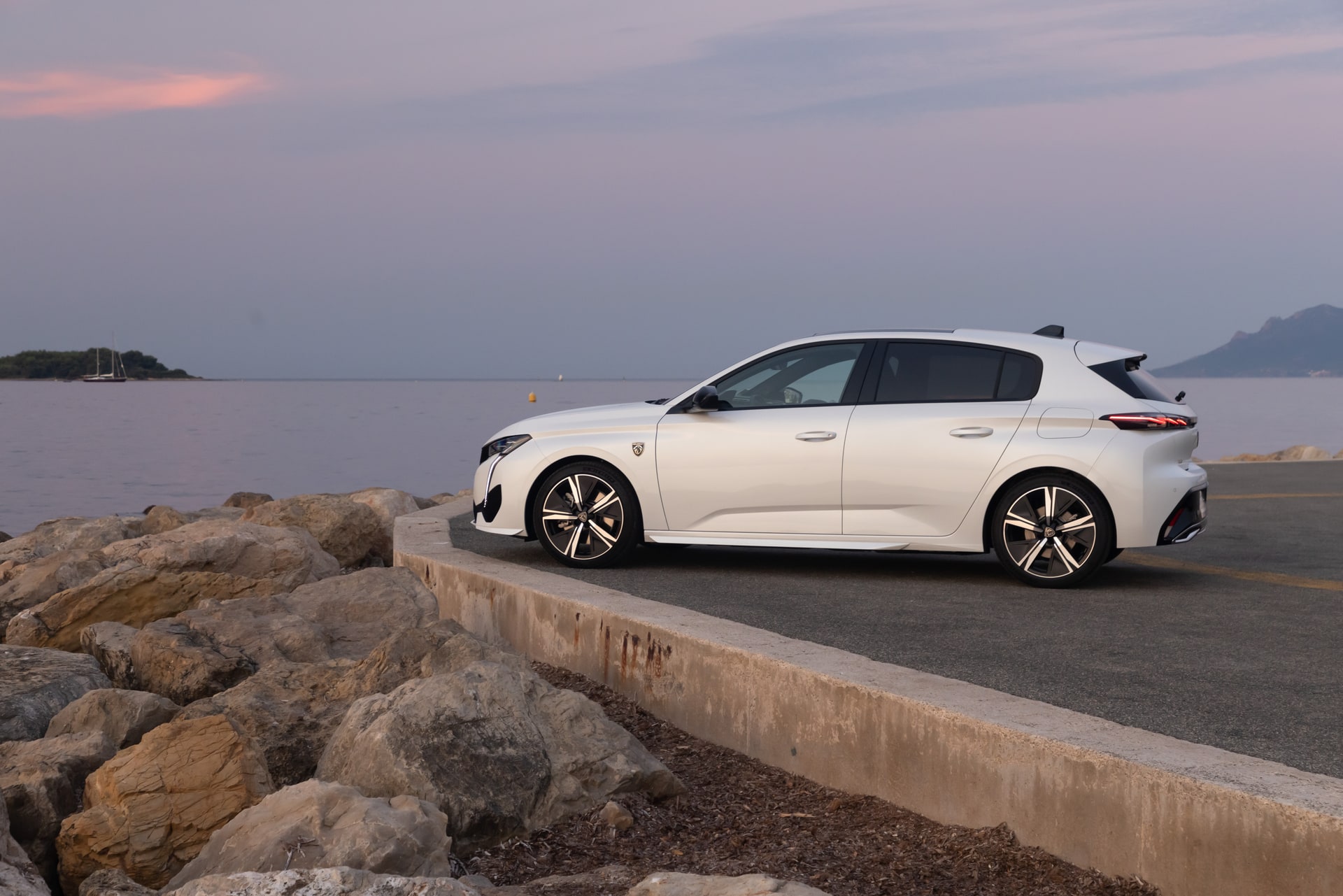
A practical guide to understanding what sets a compact with genuine Level 2 ADAS apart in 2026, which sensors to insist on, and which models currently lead the segment in Spain.
The ADAS package is no longer a premium extra. With the European GSR2 regulation in force, any compact approved in 2026 comes as standard with autonomous emergency braking, driver drowsiness detection and lane keeping assist. That is the legal minimum. The interesting part begins when the manufacturer integrates those sensors into a Level 2 system capable of managing speed and trajectory simultaneously, on the motorway and in traffic jams, without the driver having to readjust every couple of minutes. That is the territory that matters when you are considering buying a compact in 2026.
One clarification before we get into the analysis: we are leaving the compacts from BYD and Nissan out of this guide. This is not a criticism of their products, but an editorial decision. In our view, their current assistance packages—in front camera integration, lane centring response and behaviour on tight bends—sit a step below the more recent alternatives in the segment. With that said, let’s move on to the ones that do qualify.
What a Level 2 ADAS really is (and what it isn’t)
The SAE classification defines six levels of automation, from 0 to 5. Level 2 means the car can control steering and speed simultaneously, but the driver remains legally responsible and must keep their hands on the wheel and their eyes on the road. It is not autonomous driving. It is advanced assistance.
The much-touted Level 2+ is a marketing label, not an SAE category. Manufacturers use it to describe systems that add semi-automatic lane changes, assisted overtaking or predictive navigation based on HD maps. It is still Level 2 for legal purposes. The driver is in charge.
The common confusion: “autopilot” is not autonomy
A system that combines adaptive cruise control with lane centring is the minimum for speaking of a genuine Level 2. If the car merely keeps its distance from the vehicle ahead, it is Level 1. If it also corrects the trajectory continuously—rather than bouncing off the lane lines—then we are into Level 2.
The sensors that make the difference
Not all ADAS packages fit the same hardware. And that is the key.
- Multifunction front camera: the minimum acceptable. It reads signs and detects pedestrians and lane markings.
- Long-range front radar: essential for precise ACC at motorway speeds.
- Rear corner radars: enable cross-traffic alert and assisted lane change.
- Perimeter ultrasonic sensors: 8 or 12 units for manoeuvring and parking.
- 360º camera: not strictly ADAS, but it adds confidence in urban driving.
A compact combining front camera + front radar + rear radars already plays in the useful Level 2 league. Below that combination, the system falls short as soon as you enter a narrow lane or dense traffic.
Volkswagen Golf — from €37,140
The Golf’s Travel Assist remains the European reference for integration. It combines predictive ACC (it uses navigation data to anticipate bends and speed limits), lane centring with gentle correction and assisted lane change on versions equipped with Travel Assist 2.0. In practice, it is one of the few systems you forget is switched on: it does not bounce, it does not ask for readjustments every 30 seconds and it reads exits well.
| Power HP | WLTP consumption | Label | Fuel |
|---|---|---|---|
| 150 HP | 5.2 l/100 km | ECO | Mild hybrid (eTSI) |
Peugeot 308 — from €25,370
The Peugeot Drive Assist 2.0 adds semi-automatic lane changing, activated with the indicator. It works well above 70 km/h. The centring is correct, although the 308’s steering—with its small wheel—magnifies micro-corrections, and some drivers find it nervous. A matter of taste.
| Power HP | WLTP consumption | Label | Fuel |
|---|---|---|---|
| 145 HP | 4.8 l/100 km | ECO | Hybrid |
Cupra León — from €31,752
It shares the MQB Evo platform with the Golf and therefore equivalent ADAS hardware. Travel Assist works just as well, with somewhat sportier steering calibration. A good choice if you want a compact with character without giving up the best assistance package in the VAG group.
| Power HP | WLTP consumption | Label | Fuel |
|---|---|---|---|
| 150 HP | 5.8 l/100 km | ECO | Mild hybrid |
Toyota Corolla — from €26,250
The Toyota Safety Sense 3 comes as standard across the whole range, which is rare. It includes ACC with traffic jam assist, active centring and assisted lane change on higher trims. Centring is correct without being outstanding; signal reading is among the best. And it comes already at the entry level of the range, an achievement that other rivals in the segment do not match.
| Power HP | WLTP consumption | Label | Fuel |
|---|---|---|---|
| 140 HP | 4.5 l/100 km | ECO | Hybrid |
Mazda 3 — from €32,615
The Mazda relies on i-Activsense with a front radar and camera, but its philosophy is more conservative: it prefers the driver to drive. Lane centring is functional rather than proactive. For anyone seeking a safety-net ADAS rather than a semi-pilot, it fits well.
| Power HP | WLTP consumption | Label | Fuel |
|---|---|---|---|
| 137 HP | 5.8 l/100 km | ECO | Mild hybrid |
How to compare ADAS packages when configuring a compact
Three questions to ask the dealer will save you disappointment:
- Is lane centring continuous or corrective? Continuous = genuine Level 2.
- Does the ACC work from 0 km/h with stop&go? If not, forget using it in the city.
- How many radars does the car have? Fewer than three (one front, two rear corner), an incomplete system.
This configuration logic connects with what we covered in the buying guide for a compact electric car with the CERO label in 2026: assistance packages have become a purchase criterion as decisive as range or consumption.
Summary table and rating
| Model | ADAS system | Centring | Lane change | Score /10 |
|---|---|---|---|---|
| Volkswagen Golf | Travel Assist 2.0 | Continuous, smooth | Semi-automatic | 9.2 |
| Cupra León | Travel Assist | Continuous | Semi-automatic | 8.9 |
| Toyota Corolla | TSS 3 | Active | Assisted (higher trim) | 8.5 |
| Peugeot 308 | Drive Assist 2.0 | Correct | Semi-automatic | 8.2 |
| §4Nissanh275§ | i-Activsense | Corrective | No | 7.4 |
Purchase aids
Several of these models may qualify for the Plan Auto+ in their electrified versions. The current amounts and conditions should be checked on the official programme website, as they are updated periodically.
Frequently asked questions
Does a Level 2 ADAS allow you to take your hands off the wheel?
No. No compact approved in Spain legally permits removing your hands from the wheel. The system requires contact and monitors driver attention with an interior camera or capacitive sensor.
What is the difference between Level 2 and Level 2+?
Level 2+ is a marketing label. It adds features such as automatic lane change or HD map-based assisted navigation, but it remains Level 2 for legal purposes: the driver retains responsibility.
Do all new compacts come with Level 2 ADAS?
No. All of them include the minimum assistance required by GSR2 (emergency braking, drowsiness detection, lane keeping), but genuine Level 2—joint control of speed and trajectory—remains optional on many entry-level models.
How much does the full ADAS package add to the price of a compact?
Between €800 and €1,800 on average depending on the brand, when it is not standard. Toyota includes it across the range; Volkswagen and Peugeot offer it as an option or on intermediate trims.
Technical specifications of the cars in this article


 Peugeot E-208 GTi: a battery-powered toy that revives the spirit of the 1980s sports cars
 New Lexus ES: luxury grows and goes electric
 First contact with the Dacia Sandero Hybrid 155: power and efficiency from €19,890
Deja un comentario