Audi BMW ES GLC Lexus Mercedes NX Q5 X3 Hybrid Cars Comparisons Buying Guides Tests SUV
How to Choose a Premium Plug-in Hybrid SUV Under €70,000 in 2026: Equipment, Range and Total Cost of Ownership
 Dani Montesinos
22 October 2026
7 min.
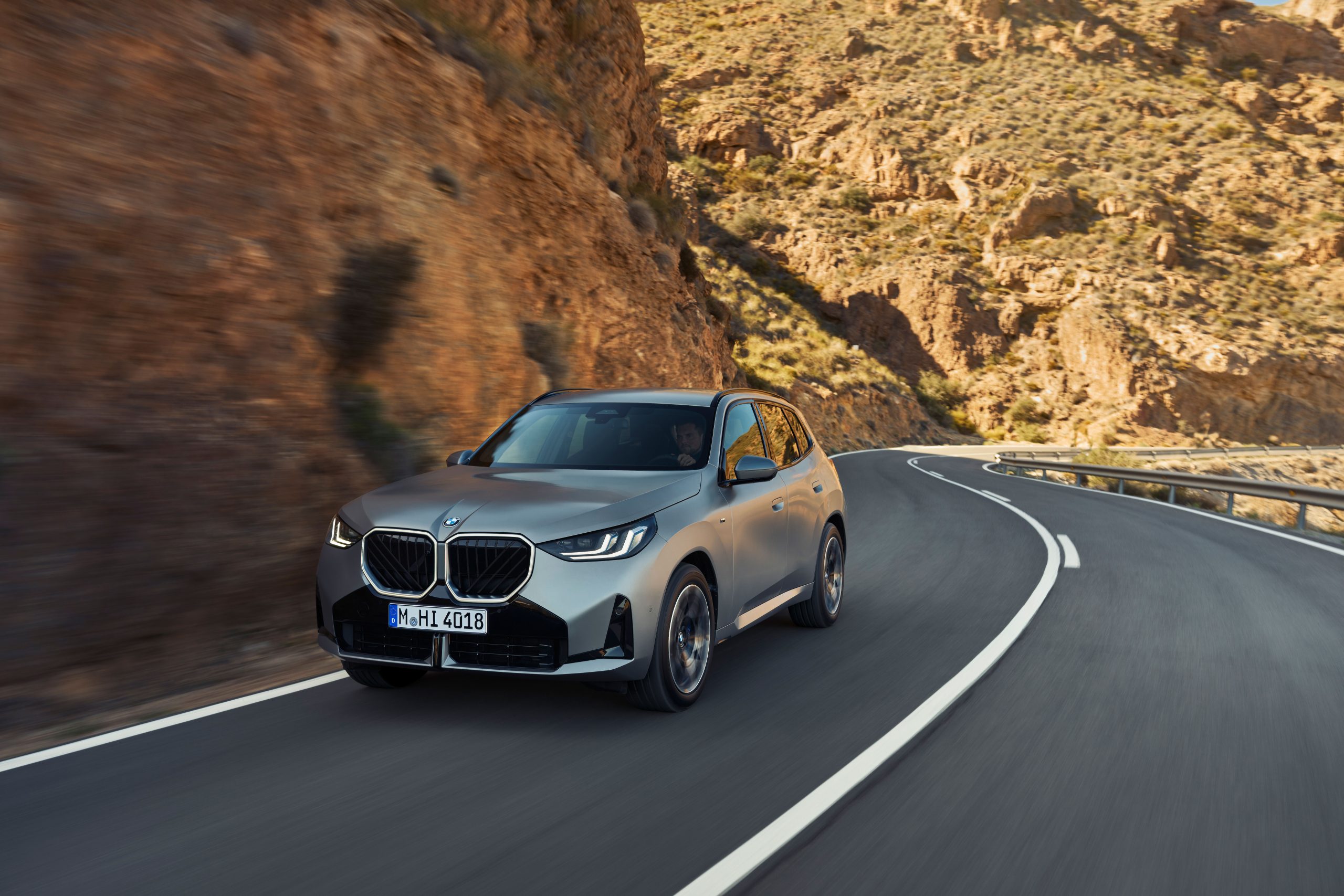
We compare six premium PHEV SUVs on sale in Spain for less than €70,000, based on WLTP electric range, charging power and real-world running costs
Choosing a premium plug-in hybrid SUV in 2026 is no longer just a matter of looking at the badge on the bonnet. The Spanish market has matured and, for less than €70,000, there are now options with electric ranges of around or above 100 WLTP kilometres alongside others that fall well short. The difference in everyday life is huge: some can get through the working week without ever touching the combustion engine; others need recharging every couple of days without the savings ever showing up in your wallet.
This guide compares six models you can buy today at a Spanish dealership: BMW X3 xDrive30e, Mercedes-Benz GLC 300 e, Audi Q5 TFSI e, Volvo XC60 T6, Lexus NX 450h+ and Range Rover Evoque. All carry the CERO environmental label and all are below the €70,000 threshold in their entry-level configuration.
What to look for before buying a premium PHEV SUV in 2026
Real-world electric range (WLTP): the figure that matters most
The WLTP cycle is not perfect, but it remains the most reliable benchmark for comparison. In practice, expect to subtract between 10% and 20% from the homologated figure if you drive with some enthusiasm or in winter. A plug-in hybrid SUV rated at 100 WLTP km may deliver only 80 real km on a January day with the heating at full blast. Keep this in mind before planning your week without visiting a petrol station.
Charging power: AC and DC, the difference in daily use
This is, in our view, the trap that dealerships explain least. Most of these SUVs charge on alternating current at 7.4 kW, which allows a full charge in a little over two hours with a home wallbox. Few include fast DC charging as standard, and those that do rarely exceed 50 kW. If you have nowhere to plug in at home or at work, the PHEV loses much of its appeal.
Standard equipment and the CERO label
All the models in this comparison carry the CERO environmental label, which means unrestricted access to the low-emission zones (ZBE) of Spain’s major cities and parking benefits in several municipalities. Be aware, however, that the label says nothing about equipment: matrix LED headlights, lane-keeping assistance or wireless charging vary considerably between brands, so check each one individually.
Total cost of ownership over 4 years: the calculation few people make
The list price is only the tip of the iceberg. Insurance, maintenance, depreciation and the cost of electricity versus fuel make the real difference. A well-used PHEV—with daily charging and predominantly urban journeys—can cut fuel spending to less than half that of an equivalent diesel. Used badly, however, as a slightly heavier and more expensive-to-maintain conventional hybrid, it is no panacea either.
The 6 premium plug-in hybrid SUVs you can buy in Spain today for less than €70,000
BMW X3 30e xDrive, from €68,800
The Bavarian plug-in X3 combines a turbocharged four-cylinder with an electric motor for a combined output of around 299 CV. Its battery, larger than in the previous generation, delivers an electric range of around 90 WLTP km, among the best in the segment.
| Power (kW) | Power (CV) | Electric range WLTP | Label | Fuel |
|---|---|---|---|---|
| 220 | 299 | 88 km | CERO | PHEV |
Mercedes-Benz GLC 300 e, from €68,990
The plug-in GLC is probably the best-balanced of the Mercedes range in this price bracket. Its large-capacity battery—over 30 kWh—allows it to come close to 120 WLTP km in electric mode, the most striking figure in this entire comparison in my opinion.
| Power (kW) | Power (CV) | Electric range WLTP | Label | Fuel |
|---|---|---|---|---|
| 230 | 313 | 123 km | CERO | PHEV |
Audi Q5 TFSI e, from €69,060
The plug-in Q5 keeps the brand’s familiar formula: quattro all-wheel drive, a very well-resolved interior and an electric range of around 100 WLTP km thanks to its battery of nearly 26 kWh.
| Power (kW) | Power (CV) | Electric range WLTP | Label | Fuel |
|---|---|---|---|---|
| 220 | 299 | 100 km | CERO | PHEV |
Volvo XC60 T6, from €67,950
The Swedish model relies on ample power—356 CV combined—and a combined electric range that outstrips its German rivals, at around 200 WLTP km. We already compared its behaviour against the BMW X3 30e in a head-to-head test, and the conclusion was clear: the Volvo wins on performance, the BMW on efficiency.
| Power (kW) | Power (CV) | Electric range WLTP | Label | Fuel |
|---|---|---|---|---|
| 262 | 357 | 200 km | CERO | PHEV |
Lexus NX 450h+, from €59,000
On paper, the Japanese model is the most affordable of the six, which makes it an interesting option for anyone who wants luxury without exhausting their budget. Its electric range of around 75 WLTP km is somewhat more modest, but the reliability associated with Lexus partly makes up for that figure. We go into more detail in our review of the Lexus NX plug-in hybrid.
| Power (kW) | Power (CV) | Electric range WLTP | Label | Fuel |
|---|---|---|---|---|
| 227 | 309 | 74 km | CERO | PHEV |
Range Rover Evoque, from €63,050
The smallest member of the family brings the prestige of the British brand at a price that, to top it off, sits well below what one would expect. Its electric range, around 60 WLTP km, is the most modest in the group.
| Power (kW) | Power (CV) | Electric range WLTP | Label | Fuel |
|---|---|---|---|---|
| 198 | 269 | 60 km | CERO | PHEV |
Comparison: which premium PHEV SUV to choose based on your use
We score each model from 1 to 10, weighing electric range, power and price-to-equipment ratio together, which in our view determines the real driving experience.
| Model | Price from | Electric range WLTP | Power (CV) | Score |
|---|---|---|---|---|
| Mercedes-Benz GLC 300 e | €68,990 | 123 km | 313 | 9.2 |
| BMW X3 xDrive30e | €68,800 | 88 km | 299 | 8.8 |
| Audi Q5 TFSI e | €69,060 | 100 km | 299 | 8.6 |
| Volvo XC60 T6 | €67,950 | 200 km | 350 | 8.3 |
| Lexus NX 450h+ | €59,000 | 74 km | 309 | 8.0 |
| Range Rover Evoque | €63,050 | 60 km | 269 | 7.4 |
The XC60 T6 earns our recommendation for range and overall balance, although the X3 xDrive30e is, for those who prioritise efficiency above all else, hard to beat. And if budget is the deciding factor, the Lexus NX 450h+ offers the most sensible entry point without giving up the reliability that characterises the brand.
Plan Auto+ and the real cost after public aid
Before closing the purchase, it is worth checking the current aid under the Plan Auto+, the national electrification incentive framework that can significantly reduce the initial outlay for these models. Amounts and deadlines change fairly often, so the most sensible course is to consult the plan’s official website before signing anything—this avoids last-minute surprises with paperwork or resolution timelines.
Frequently asked questions
What is the best premium PHEV SUV under €70,000 in 2026?
The Volvo XC60 T6 e stands out for its electric range, the highest in the group analysed. The BMW X3 xDrive30e is the most balanced alternative between efficiency and driving dynamics.
What real electric range do these plug-in hybrid SUVs offer?
Between 65 and 130 WLTP km depending on the model, although in real use—with traffic, cold weather or demanding driving—it is wise to deduct between 10% and 20% from that homologated figure.
Is a plug-in hybrid SUV worth it compared with a pure electric one?
It depends on use. If you recharge daily and make short journeys, the PHEV behaves almost like an electric car, with the combustion engine’s range as a backup for long trips. If you have nowhere to plug in, the savings disappear quickly.
What aid is available for buying a plug-in hybrid SUV in Spain?
The Plan Auto+ is the current reference framework for incentives to buy electrified vehicles in Spain. Amounts vary by autonomous community and available budget, so always check the current call for applications.
Technical specifications of the cars in this article

 Peugeot E-208 GTi: un juguete con pilas que recupera el espíritu de los deportivos de los ochenta
 New Lexus ES: luxury grows and goes electric
 First contact with the Dacia Sandero Hybrid 155: power and efficiency from €19,890
Deja un comentario