Audi BMW ES GLC Lexus Mercedes NX Q5 X3 Hybrid Cars Comparisons Buying Guides SUV
How to Choose a Premium SUV with the Best Value for Money in 2026: Which Segment and Powertrain Deliver the Most
 Dani Montesinos
30 September 2026
7 min.
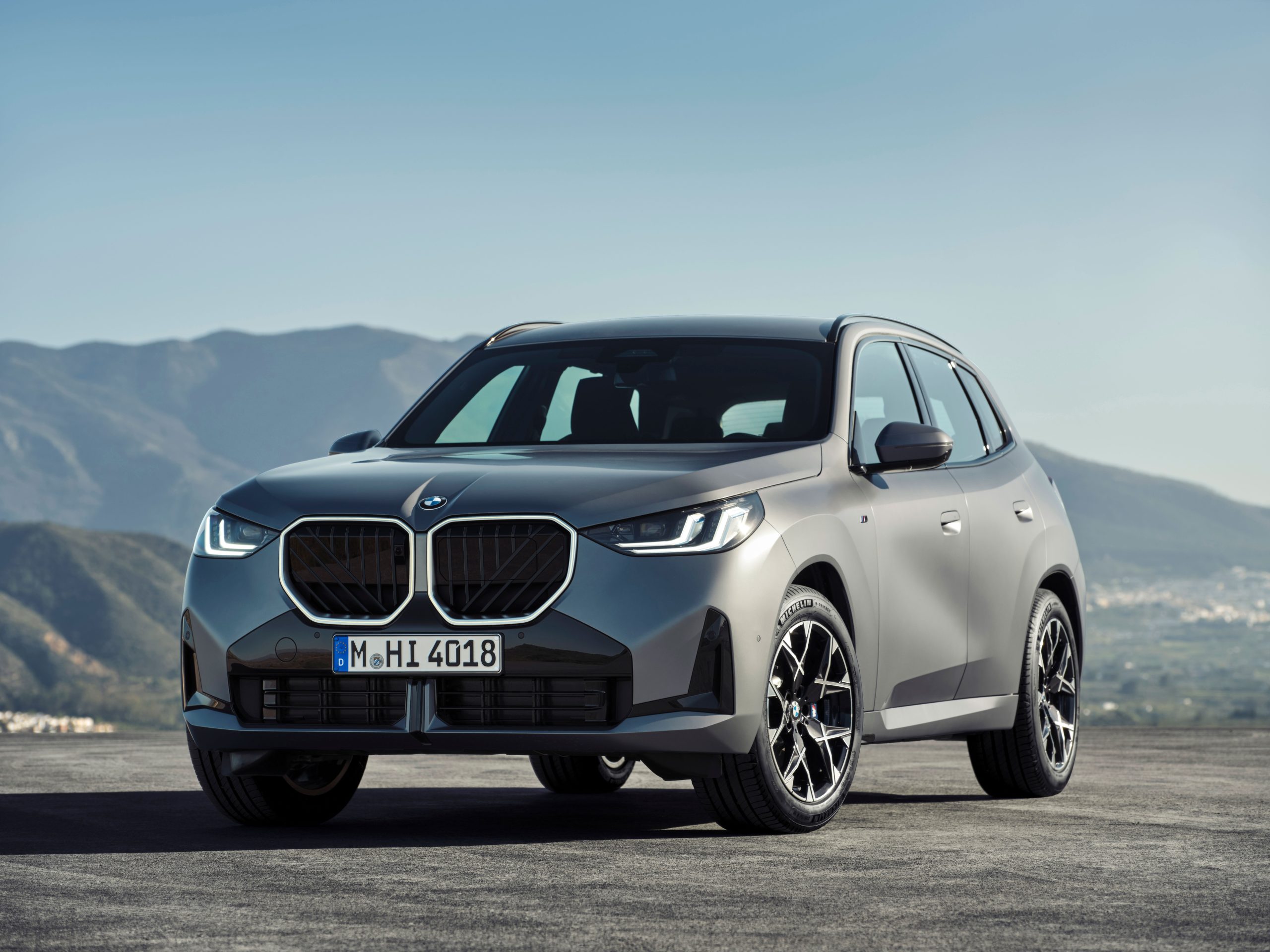
A Guide to Getting a Premium SUV Right in Spain in 2026: Which Segment (C, D or E) and Which Powertrain Offer the Best Total Cost of Ownership
Choosing a premium SUV in 2026 has become as much an exercise in financial engineering as one of taste. The range runs from the Audi Q3 to the BMW X7, with ECO, CERO, diesel, petrol labels and an already mature catalogue of plug-in hybrids. And not every path leads to the same place: some segments charge a premium for very little, and some powertrains only pay off if the way you use the car fits them like a glove.
From the list of earlier candidates we have deliberately ruled out Nissan and BYD in the premium segment: in our view both offer sound SUV proposals, but in this class there are alternatives that provide a more competitive package in equipment, technology, real-world range and perceived quality for a similar budget. That said, let’s go through the ones that do qualify.
What Defines a Premium SUV in Spain Today
A premium SUV in 2026 is no longer defined by the badge alone. Software, the level of driver assistance, the warranty on the hybrid system and the service network all count. Perceived materials, soundproofing, ride quality and a connected ecosystem updated over the air — that is the yardstick. A well-equipped mainstream SUV may beat an entry-level premium on screens, but it rarely matches its dynamic behaviour or the solidity of its finish.
Segment C, D or E: Where the Sweet Spot Lies
The premium C segment (Audi Q3, BMW X1, Mercedes GLA) starts below €45,000 and works well in the city. The premium E segment (X5, GLE, Q7) climbs above €85,000 and carries considerable running costs. Between the two, the premium D-segment SUV — X3, GLC, Q5, XC60, NX — is where the equation works best: space for a family, mature electrified powertrains, solid residual values and a price gap over the C that is justified by comfort and equipment.
Why the Premium D-SUV Is the Rational Balance
A well-chosen premium D-SUV costs between €60,000 and €75,000 as a PHEV. Compared with the C segment, it gains 15–20 cm of wheelbase, a genuinely usable boot (450–550 litres with batteries) and a noticeable step up in soundproofing. Compared with the E, it easily saves €20,000 and a few litres per 100 km in mixed use. In practice, it is the step where money goes furthest.
Powertrains: What Pays Off in 2026
Premium diesel still makes sense for those who drive more than 30,000 long motorway kilometres a year, but its tax advantage is narrowing. The petrol mild-hybrid is an honest option if you access city centres without restrictions, although it brings no tax advantage. The premium 100% electric is already competitive on range, but it needs a home charging installation to shine. And the premium plug-in hybrid SUV has established itself as the recommended premium SUV powertrain for the average Spanish user: CERO label, 80–100 km of real electric range and full flexibility for long journeys.
The PHEV Case as the Sweet Spot
With more than 90 km of homologated electric range, today’s PHEVs cover the working week without starting the combustion engine. Favourable taxation, access to low-emission zones, reserved parking spaces in many cities and a residual value that holds up better than the equivalent diesel. That said — anyone who cannot plug in at home or at work should steer clear of the PHEV. Without routine charging, the extra weight of the battery penalises real-world consumption.
Five Premium D-SUV PHEVs That Do Pay Off in Spain
BMW X3 30e xDrive — from €68,100
The new X3 has taken a noticeable leap in perceived quality and electric range. Standard all-wheel drive, benchmark dynamics for the segment and an iDrive that still sets the standard for usability.
| Power | Electric range | WLTP consumption | Label | Fuel |
|---|---|---|---|---|
| 220 kW / 299 CV | 90 km | 2.8 l/100 km | CERO | PHEV |
Mercedes Mercedes-Benz GLC 300 e 4MATIC — from €68,113
The GLC PHEV is probably the most touring-friendly of the group. Its battery, generous for the segment, allows almost fully electric everyday use. Latest-generation MBUX, well-calibrated suspension and a cabin that feels a notch above in the feel of its materials.
| Power | Electric range | WLTP consumption | Label | Fuel |
|---|---|---|---|---|
| 230 kW / 313 CV | 124 km | 2.1 l/100 km | CERO | PHEV |
Audi Q5 TFSI e — from €84,170
The new Q5 debuts the PPC platform and gives the PHEV a clear boost, with more electric range and DC fast charging. Digital cockpit, quattro ultra and ergonomics that are hard to fault.
| Power | Electric range | Label | Fuel |
|---|---|---|---|
| 270 kW / 367 CV | 92 km | CERO | PHEV |
Volvo XC60 T6 — from €67,950
The Swede is the most rational of the selection. Sober materials, seats that remain a benchmark on long journeys and a standard safety package that others charge extra for. Its weak point: a Google-based infotainment system that divides opinion.
| Power | Electric range | WLTP consumption | Label | Fuel |
|---|---|---|---|---|
| 262 kW / 357 CV | 200 km | 1.0 l/100 km | CERO | PHEV |
Lexus Lexus NX 450h+ — from €59,000
The Japanese plays in a different league for perceived reliability. Up to 10-year warranty on the hybrid system if serviced at an official network, impeccable assembly quality and real consumption that tends to sit below its German rivals in pure hybrid mode. Less dynamic, yes, but hard to beat on running costs.
| Power | Electric range | WLTP consumption | Label | Fuel |
|---|---|---|---|---|
| 227 kW / 309 CV | 100 km | 2.9 l/100 km | CERO | PHEV |
Total Cost of Ownership: What the Price Tag Doesn’t Show
The list price is misleading. Over three years and 60,000 km, a premium D-SUV PHEV comes to roughly €0.55–0.65/km in real cost: financing, comprehensive insurance, official maintenance, tyres, fuel/electricity and depreciation. Depreciation accounts for 45–55% of the total. Here the Lexus clearly leads, followed by BMW and Mercedes; Audi and Volvo sit one step behind but without drama. The Plan Auto+ may alter the equation if the chosen model meets the requirements — check the official website for the current conditions.
Summary Table with Editorial Scores
| Model | Price from | Electric range | Perceived quality | Residual value | Running cost | Overall score |
|---|---|---|---|---|---|---|
| BMW X3 30e xDrive | €68,100 | 90 km | 9 | 9 | 8 | 8.8 |
| Mercedes GLC 300 e 4MATIC | €68,113 | 124 km | 9 | 8.5 | 8.5 | 8.9 |
| Audi Q5 TFSI e | €84,170 | 92 km | 8.5 | 8 | 8 | 8.4 |
| Volvo XC60 T6 Recharge | €67,950 | 200 km | 8 | 7.5 | 8 | 8.0 |
| Lexus NX 450h+ | €59,000 | 100 km | 8.5 | 9.5 | 9 | 8.7 |
If your use fits a PHEV — plug-in at home, daily trips of 40–80 km, occasional long-distance travel — the best premium SUV value for money 2026 in Spain lies in the D-segment with a plug-in powertrain. The Mercedes GLC 300 e leads on pure product equation; the Lexus NX 450h+ is the most rational choice over the long term. In the same line of analysis, the comparison between the Volvo EX40 and the Audi Q4 e-tron is useful for anyone considering the jump to 100% electric in the premium C segment.
Frequently Asked Questions
Which premium SUV should I buy in 2026 if I drive a lot on the motorway?
If you exceed 30,000 km a year and 70% of it is motorway, a premium diesel (BMW X3 20d, Audi Q5 TDI) still makes sense for consumption and range. Below that figure, the PHEV pays off through taxation and mixed-use running costs.
Is a premium PHEV worth it if I can’t charge at home?
No. Without routine charging, a PHEV drags 300–400 kg of battery it never uses, which pushes real consumption above that of an equivalent mild-hybrid. If you can’t plug in, go for a full-hybrid (Lexus NX in self-charging mode) or a diesel mild-hybrid.
How much does a premium D-SUV PHEV depreciate over three years?
Between 45% and 55% of the purchase price, depending on brand and mileage. Lexus and BMW hold their value best; Audi and Mercedes sit a point below; Volvo closes the group, though without dramatic differences.
Is it worth stepping up from premium C to premium D?
Yes, if your use is family-oriented or touring. The €8,000–12,000 difference translates into a real leap in space, soundproofing and the capacity for PHEV powertrains with usable electric range. For single-occupant urban use, the premium C remains sufficient.
Technical specifications of the cars in this article


 Kia offers an electric range of 10 models, 50 versions and 400 possible combinations
 The seven finalists for the 2027 European Car of the Year (COTY) are exclusively electric
 Peugeot E-208 GTi: a battery-powered toy that revives the spirit of the 1980s sports cars
Deja un comentario