Jeep Compass 2.2 CRD 163 CV 4×4, road test (Exterior design, interior and finishes)
 Diego G. Moreira
26 May 2012
3 min.
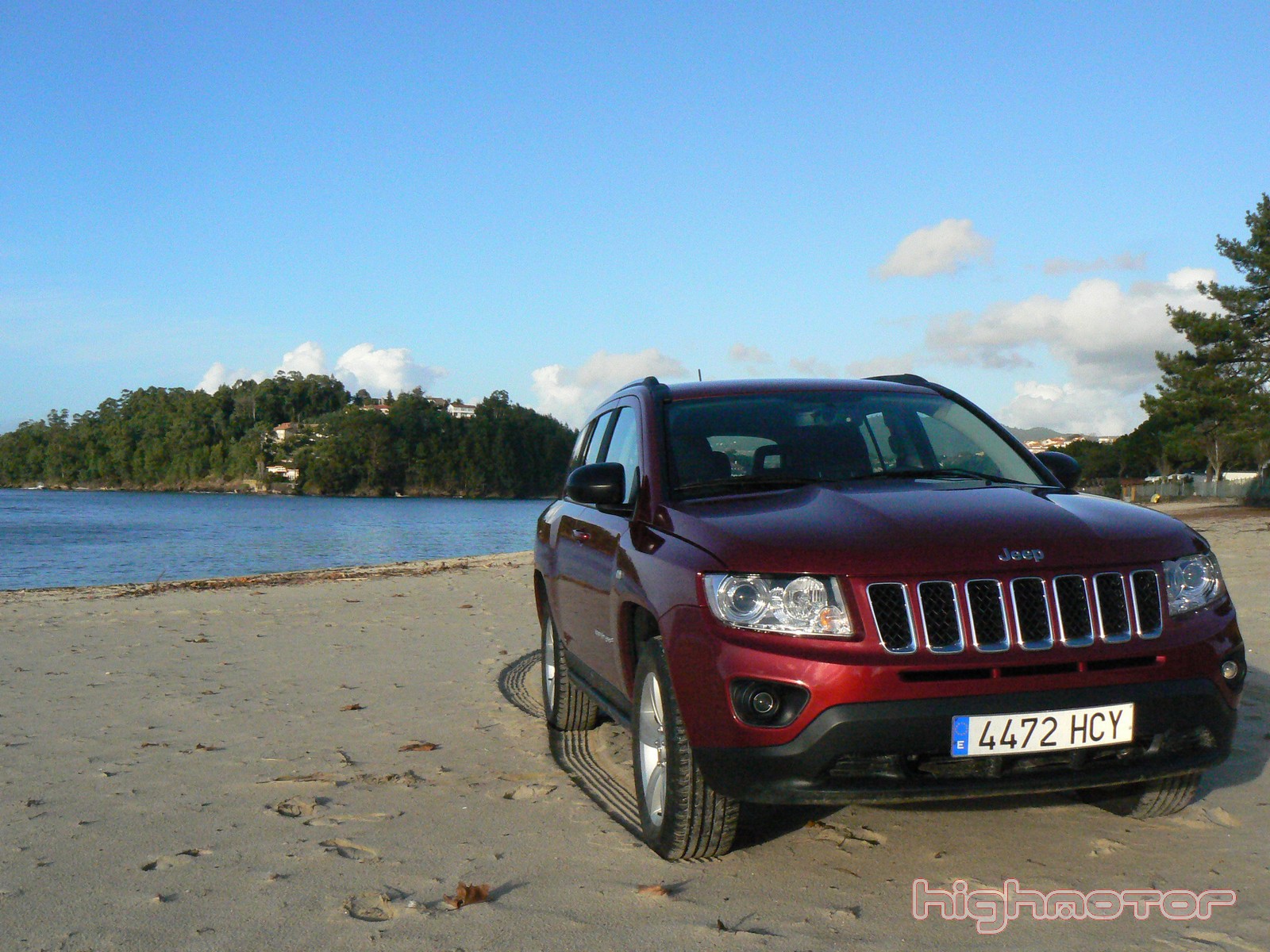
A review of the exterior design, interior and boot of the Jeep Compass 2.2 CRD 163 CV 4×4.
We continue with the Jeep Compass, the smallest member of the Jeep family, which we tested with a 2.2-litre CRD diesel engine producing 163 CV. The model we tested also featured connectable all-wheel drive, something we covered in the first part of the test together with the engine performance and handling.
Now, in this second part we focus on the exterior design, which has undergone a successful facelift that gives it more presence. We also haven’t forgotten to analyse the interior, space and boot. So we start this second part, in which we will analyse the exterior design, interior and finishes.
Exterior design
At the end of 2010 the Jeep Compass underwent a thorough facelift at the front, now much more European and with more contemporary lines. That said, elements such as the seven-slot grille, which is a true signature of Jeep, remain present.
At the front there is another curious detail — the lights — the bulb has a coating bearing the Jeep front logo. Beyond these details, the side profile is characterised by the pronounced design of the rear doors and by the position of the door handles, raised as if aiming for the look of a coupé.
The wheel arches are wider than the doors, and the same happens at the rear, where this change in depth extends to the middle of the rear doors. Finally, the rear has more traditional lines and features LED technology for the brake and light functions of the rear lights.
The 17-inch wheels are part of the Sport finish, with tyres ideal for off-road driving, measuring 215/60 R17, meaning a fairly high sidewall that lets it get through more complicated terrain without problems.
Interior design, habitability and finishes
The design of the dashboard is simple, with an abundance of hard plastics, but at least the fit and finish is correct. The large steering wheel stands out, identical to the one fitted to the Grand Cherokee, and it has controls for the cruise control and radio. The instrument cluster is also fairly austere in shape and information; it does its job without any great pretensions.
The on-board computer has few functions, although it does include a compass, very rustic and in keeping with the brand’s philosophy. The driving position is elevated, with wide seats and enough headroom.
In the rear seats the backrests can be adjusted, and two adults will travel comfortably, with enough space for both legs and head. The padding of the seats is adequate, not too soft, and they remain comfortable after several kilometres behind the wheel.
The light and wiper controls had a few curious quirks when switching on the wipers or the rear fog lights, since they combined quite a few functions in a single stalk. To operate the wipers you didn’t push or pull the lever; instead you turned the control at its end.
Storage spaces and boot
Storage spaces are not the Compass’s strong point: there are plenty of compartments, but they are small or insufficient for medium-sized items such as a mobile phone. The boot, on the other hand, offers a capacity of 328 litres, a fairly tight figure but sufficient.
In the Limited finish, it comes as standard with speakers for a party on the tailgate, for the more carefree among us.
In the third part of the test we will focus on equipment, and we will also discuss safety, our overall assessment of the model and prices.
Photos | David Taboada


 Peugeot E-208 GTi: a battery-powered toy that revives the spirit of the 1980s sports cars
 New Lexus ES: luxury grows and goes electric
 First contact with the Dacia Sandero Hybrid 155: power and efficiency from €19,890
Deja un comentario