Madrid Central: these are the streets you cannot drive through
 Victor Alós Yus @sepelaci
30 March 2019
4 min.
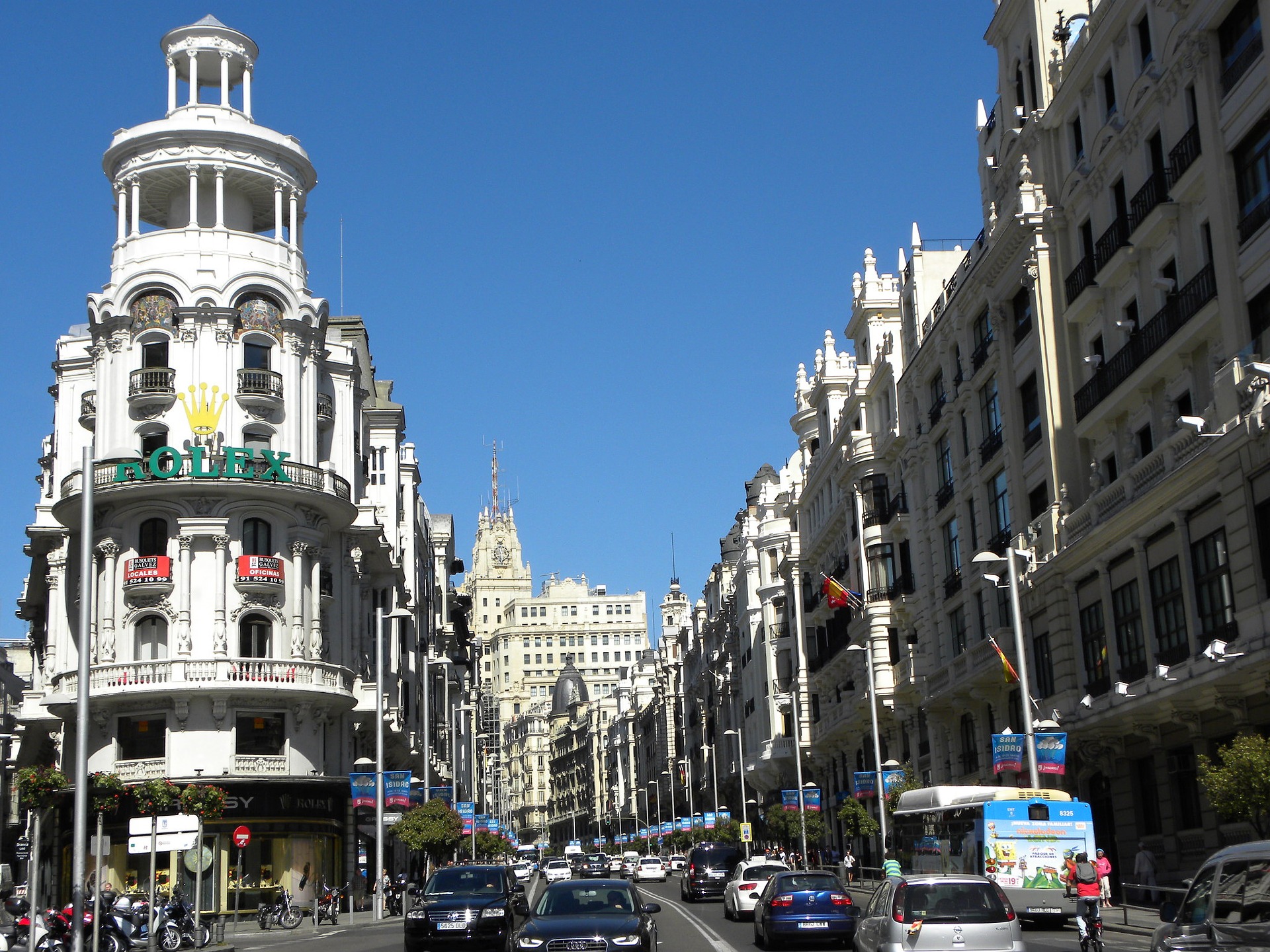
Madrid Central is now a reality, and you need to know the regulations well so you don’t enter the traffic restriction zone with an unauthorised vehicle
Since 30 November 2018, the Madrid Central zone has been in force, that is, the traffic restriction zone covering the central districts of Madrid. It is a zone created to reduce the impact of polluting emissions produced in the city. A measure that has proven quite controversial and that has had as many supporters as detractors, but it was a necessary measure to prevent the pollution that Madrileños had come to perceive as a problem, with the infamous “pollution dome“.
But what is the Madrid Central zone, and how does it work? Although it may seem like a new idea, it is not. Other European cities already have similar measures in force, and Madrid itself had Residential Priority Areas (APR). These were formed by the Letras, Cortes, Embajadores and Ópera districts, where this type of restriction already applied. It has now been extended to the entire central almond, where you will not be able to enter without the corresponding ECO vehicle label. We have discussed the DGT ECO labels in several articles, so we refer you to them to find out more about which label your car needs to access the Madrid Central zone, and even zones in other cities.
Which neighbourhoods are included in the Madrid Central APR zone?
The central almond of Madrid, which is the area affected by this measure, includes the neighbourhoods that already had APR status, to which the Palacio, Universidad and Sol areas have been added. Suddenly, and if you are not from Madrid, these areas may be unfamiliar to you, although they are some of the busiest.
The streets that mark the border between the city and Madrid Central are:
- Alberto Aguilera
- Glorieta de Ruíz Jiménez
- Carranza
- Glorieta de Bilbao
- Sagasta
- Plaza de Alonso Martínez
- Génova
- Plaza de Colón
- Paseo de Recoletos
- Plaza de Cibeles
- Paseo del Prado
- Plaza de Cánovas del Castillo
- Paseo del Prado
- Plaza del Emperador Carlos V
- Ronda de Atocha
- Ronda de Valencia
- Glorieta de Embajadores
- Ronda de Toledo
- Glorieta de la Puerta de Toledo
- Ronda de Segovia
- Cuesta de la Vega
- Calle Mayor
- Calle Bailén
- Plaza de España (side extension of Cuesta de San Vicente)
- Calle Princesa
- Calle Serrano Jover
The restriction on vehicle traffic applies to the area within that line, which is physically marked on the road surface with a red line and the vertical signage at the entrance to Madrid Central. And be aware that until 15 March, entering Madrid Central did not result in a fine, only a warning to offenders. From that day on, anyone who enters these streets and all those included in the central almond will be fined.
Access points to Madrid Central
Cars entering Madrid Central are recorded by 15 cameras installed at the access points, where a warning is displayed that you are entering the restricted zone. The fine is 90 euros, which can be reduced to 45 euros if paid immediately. Cars that can enter freely are those with 0 and ECO labels, as well as those parking in the SER zone; B and C labelled vehicles must be invited or park in a car park, private or public. Residents can also enter, and each of them may “invite” up to 20 drivers to drive into the zone, if they need to enter.
It should be noted that vehicles without a label may only enter if they are invited, are registered as residents, or have a private car park. It is also worth highlighting that from 2020, these unlabelled vehicles will not be allowed to enter to park in the SER zone, even if invited. And from 2025, they will not be permitted to circulate anywhere within the municipal area.
Emergency vehicles, construction company vehicles working in a location within Madrid Central, vehicles going to stay at a hotel and leave the car in its car park, vehicles going to park in car parks in the city centre, and others travelling for exceptional reasons, will be allowed to enter Madrid Central. To obtain the corresponding permit from Madrid City Council, you must go to the official website and apply for it.
If you need to park at a hotel or car park within Madrid Central, it is the establishment itself that must authorise the vehicle’s entry, so you should check everything you need to access the zone and how to do so. Is it an excessive measure? It is quite complex and may cause mobility problems, but while these measures are problematic at first, we always end up getting used to them and they can prove positive.


 Peugeot E-208 GTi: a battery-powered toy that revives the spirit of the 1980s sports cars
 New Lexus ES: luxury grows and goes electric
 First contact with the Dacia Sandero Hybrid 155: power and efficiency from €19,890
Deja un comentario