Panasonic will increase the energy density of the 2170 cells it uses in Tesla
 Javier Cantagalli
16 January 2024
2 min.
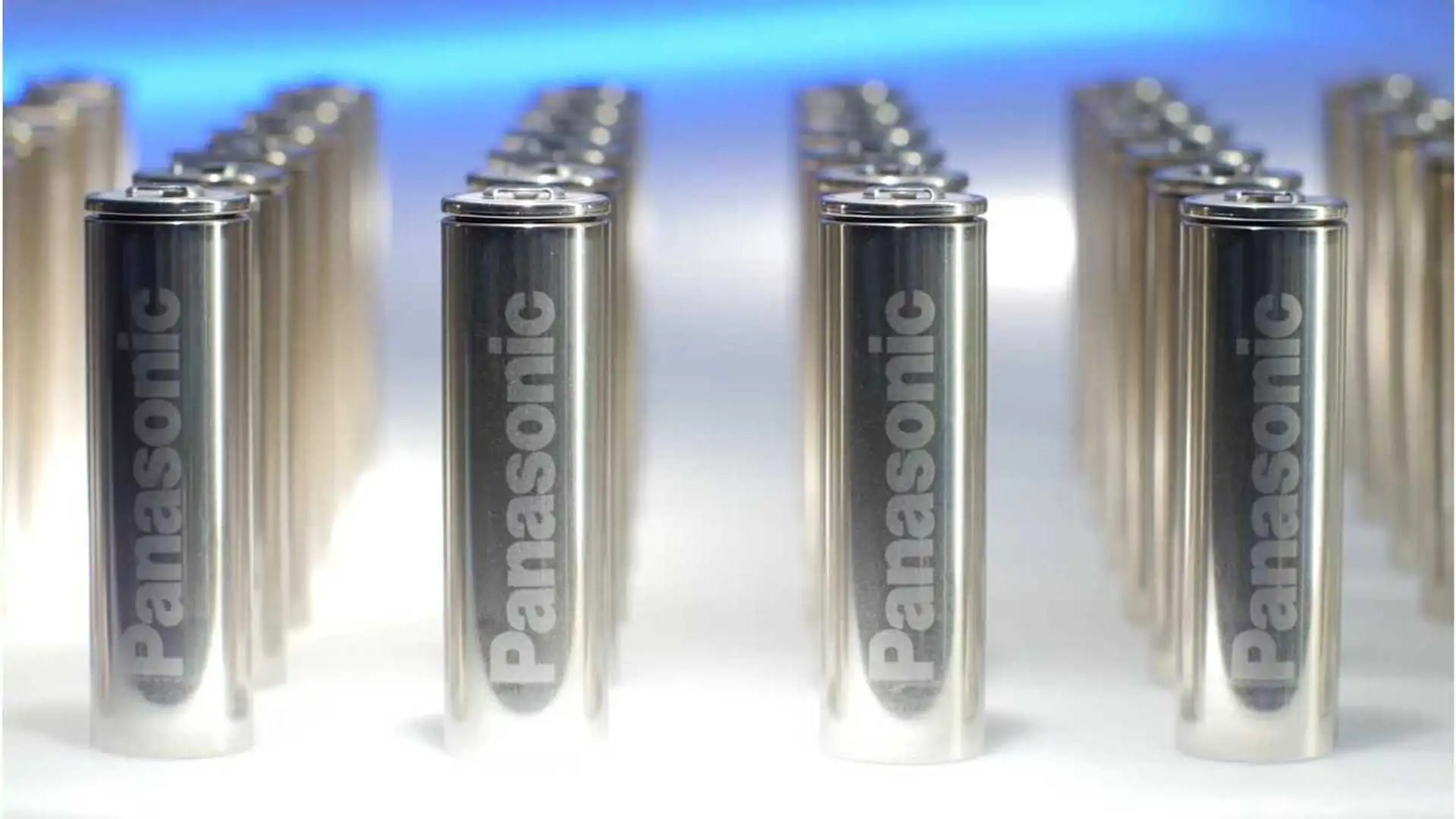
An increase in the energy density of the 2170 cells will allow Tesla to offer the same range while improving the efficiency of its vehicles, and at the same time it will also reduce their selling price
In statements to the media, Shoichiro Watanabe, the Chief Technology Officer of the Japanese company, revealed that the company is currently working on an improvement to the 2170 cells that will increase the amount of energy stored in each of them. Watanabe believes this improvement will reduce the total cost of electric vehicles equipped with this type of cell, which in turn will give new momentum to the transition to electric mobility.
For the time being, an exact date on which the commercialisation of these new cells will begin is unknown, but this is something that will happen by 2025 at the latest, and it may even happen this same year. Production, as until now, will be carried out at the plant in Nevada that Panasonic operates together with Tesla, which will continue to be the recipient of all these cells for use in its vehicles.
Tesla currently equips 2170 cells produced by Panasonic at Giga Nevada in the Long Range versions of the Model 3 and Model Y sold in the North American market. These same versions also roll off the assembly lines of the Shanghai and Berlin Gigafactories for other markets, but the cells used in this case come from a different supplier. On the other hand, the rear-wheel-drive versions with standard range use cells with a different lithium iron phosphate (LFP) chemistry.
More 2170 cells produced per minute
Another notable detail revealed in these statements is that the increase in the energy density of the 2170 cells will also be accompanied by an optimisation of their production. Thus, Watanabe explained that a 10 percent increase in the plant’s production capacity by 2025 does not necessarily have to result from an equivalent expansion of the facility, but can also be achieved with the current equipment by increasing the speed at which the cells are produced. And that is precisely what Panasonic plans to do.
In any case, the Japanese company expects to quadruple its production by 2030, going from 50 GWh per year to 200 GWh. And for that, building new battery cell production plants will indeed be essential. In fact, some reports indicate that Panasonic is already working on the construction of a new plant, also in the United States. More specifically in Kansas.
The Japanese company also intends to announce the exact location of a third plant at the end of the current quarter. For the moment, the only thing known on this matter is that it will also be in the United States.


 Peugeot E-208 GTi: a battery-powered toy that revives the spirit of the 1980s sports cars
 New Lexus ES: luxury grows and goes electric
 First contact with the Dacia Sandero Hybrid 155: power and efficiency from €19,890
Deja un comentario