Polluting vehicles could pay more at toll roads
 Jaime Gomez
25 April 2017
2 min.
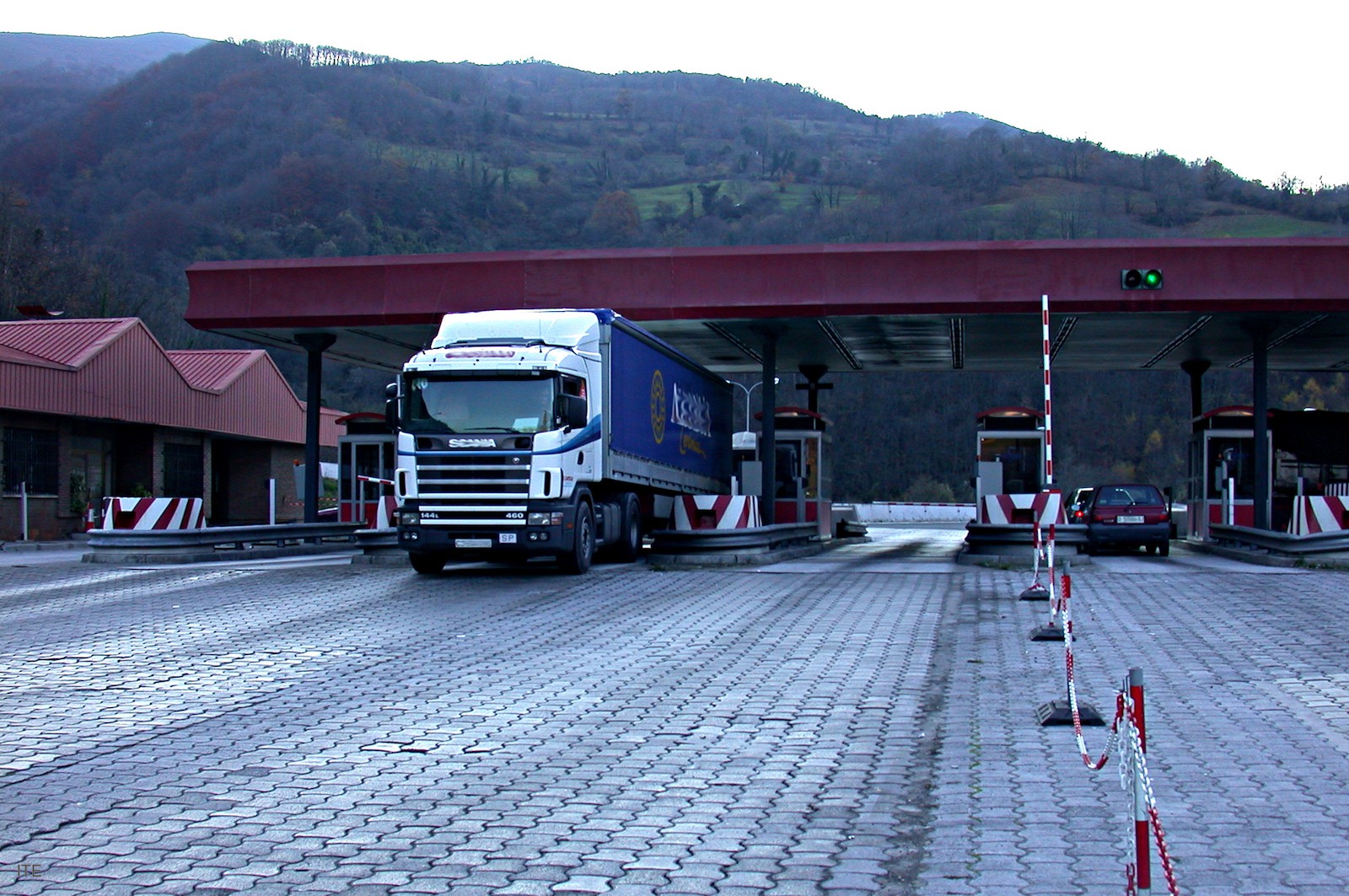
The European Commission intends to review the toll rate structure based on the level of emissions produced by each vehicle.
The European Commission is set to propose that cars, trucks, buses and vans travelling on toll roads pay a different cost depending on the level of CO2 they emit. With this proposal, the aim is to reduce the carbon footprint generated by road transport across Europe.
This measure, which has not yet been officially adopted by the EU, seeks to include vehicle pollution in toll charges, in addition to distance travelled. This charge will be applied according to the amount of CO2 the vehicle emits, which means that the most polluting vehicles will pay a higher charge, while the cleanest ones will pay a lower amount.
Heavy vehicles, such as trucks and buses, will be the ones that pay the highest amount due to their high level of pollution. Although this group makes up only a small part of the vehicle fleet, they are responsible for a third of the emissions of CO2 in the EU.
The aim of this measure is to reduce the carbon footprint generated by the European vehicle fleet. The European Automobile Manufacturers’ Association (ACEA) has expressed its support for the EU measure, but on the condition that the payment of tolls for pollution encourages emission reductions under real-world driving conditions and that there is fair competition between different vehicle categories. “Any road charge that does not take into account actual emissions or vehicle elements such as tyres, weight or aerodynamics would penalise the rest of the fleet,” ACEA has stated.
Currently, the European Union has a legal framework that regulates the charges that freight vehicles must pay, but tolls for private vehicles are set by national governments.
The proposals are expected to be published on 31 May, and after their presentation they must be approved by the European Parliament and the Member States.


 Peugeot E-208 GTi: a battery-powered toy that revives the spirit of the 1980s sports cars
 New Lexus ES: luxury grows and goes electric
 First contact with the Dacia Sandero Hybrid 155: power and efficiency from €19,890
Deja un comentario