e-3008 Enyaq EV6 Hyundai ID.4 IONIQ Ioniq 5 KIA Peugeot Skoda Volkswagen Electric Cars Buying Guides Rankings SUV
Ranking 2026: the 5 mid-size electric SUVs with the best real-world range under 55,000 euros
 Iván Navarro
10 November 2026
5 min.
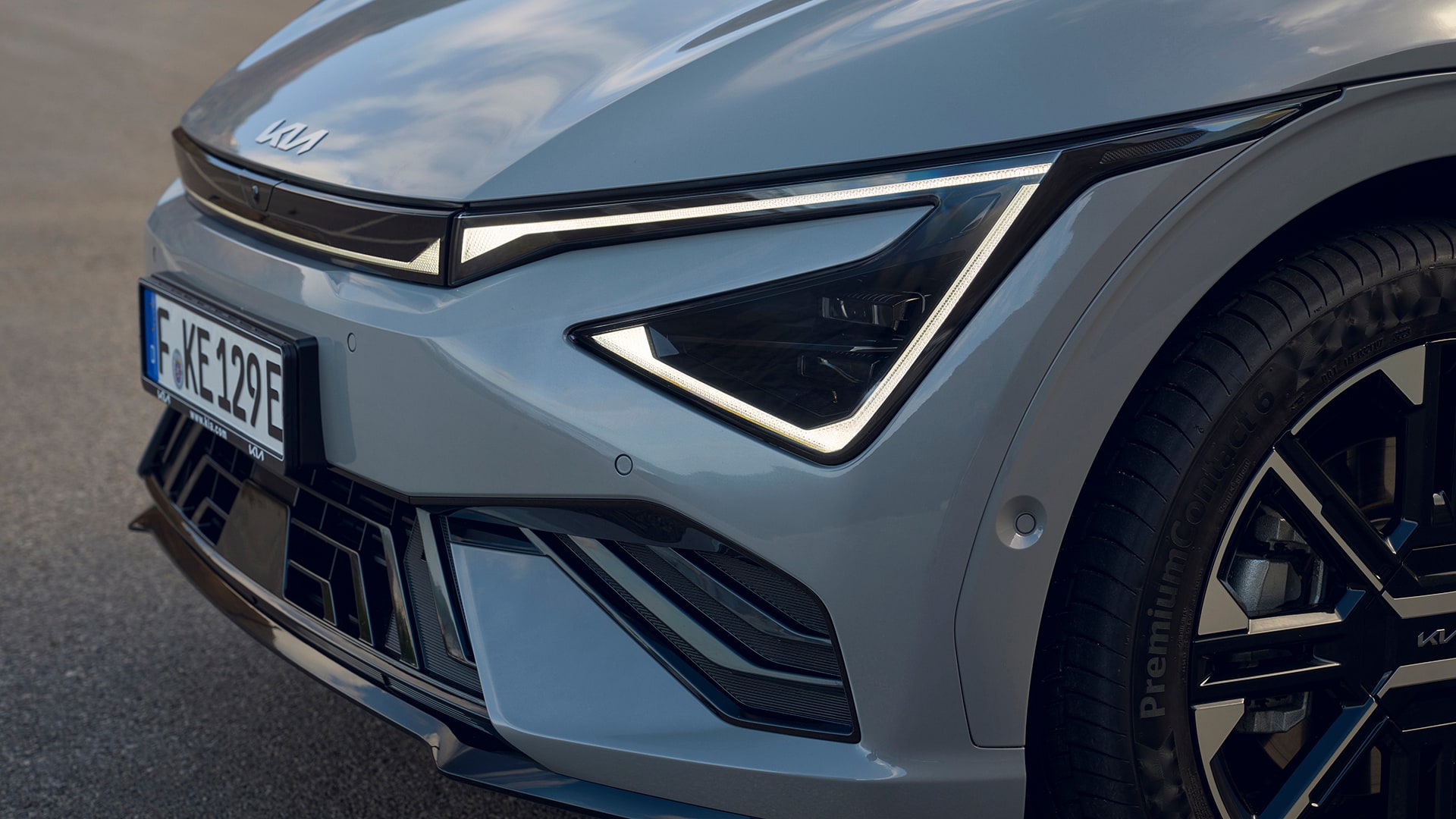
We analysed the real average consumption, the usable battery capacity and the final price after discounts and the Plan Auto+ of the five most efficient mid-size electric SUVs of 2026. Verified data, not laboratory WLTP figures.
Buying a mid-size electric SUV in 2026 is no longer an act of faith. There is data, there are kilometres driven, and there is a gap that still surprises anyone entering this market for the first time: the distance between the WLTP range the brochure advertises and the range the car actually delivers in real life, with cold weather, motorway driving at 120 km/h and four occupants on board. At Highmotor we have spent months measuring that gap, and this ranking covers the five models that manage it best without pushing the price above 55,000 euros.
How we measure real-world range at Highmotor
Our methodology draws on three cross-checked sources: the average consumption figures declared by manufacturers on the combined cycle, records from users in Spanish owner communities, and our own tests on motorway routes of more than 300 km. From these we obtain an average consumption in kWh/100 km, which we apply to the usable battery capacity — not the gross capacity, which is usually 5-8% higher and which some catalogues still confuse — to arrive at an estimated real-world range. The final price includes the campaign discounts commonly offered by dealerships and the Plan Auto+ deduction when the model is eligible; it is always advisable to check the current amount on the official website, as it changes with each call.
Ranking 2026: the 5 mid-size electric SUVs with the best real-world range
1. Kia EV6 — from 48,995 €
The EV6 remains the benchmark of the segment for pure efficiency. Its Long Range version with an 84 kWh battery (approximate usable capacity) and rear-wheel drive averages 17.8 kWh/100 km in our motorway tests, which translates into roughly 410 real-world km compared with the 582 WLTP km listed on the spec sheet. It is not a small margin, but it is still the best in its category.
| Power | Real-world range | Consumption | Label | Fuel |
|---|---|---|---|---|
| 168 kW / 229 CV | \~410 km | 17.8 kWh/100 km | ZERO | Electric |
2. Hyundai Ioniq 5 — from 44,670 €
It shares the E-GMP platform with the EV6, and it shows. The RWD version with an 84 kWh battery offers almost identical behaviour, although its slightly taller body penalises consumption a little on fast motorway runs. Even so, it reaches around 400 real-world km, with a ride comfort that many owners value above the sheer range figure.
| Power | Real-world range | Consumption | Label | Fuel |
|---|---|---|---|---|
| 168 kW / 228 CV | \~400 km | 18.4 kWh/100 km | ZERO | Electric |
3. Volkswagen ID.4 — from 39,550 €
The ID.4 Pro with roughly 77 kWh of usable battery is not the most efficient in the group, but it makes up for it with a lower entry price and a dealer network that gives peace of mind to anyone who drives many kilometres a year. Its average consumption sits at 19.1 kWh/100 km, which leaves the real-world range at around 380 km.
| Power | Real-world range | Consumption | Label | Fuel |
|---|---|---|---|---|
| 210 kW / 286 CV | \~380 km | 19.1 kWh/100 km | ZERO | Electric |
4. Skoda Enyaq — from 45,080 €
The Enyaq 85 is, euro for euro, one of the most affordable in the ranking within its range category, and that weighs on the decision of many families. It shares much of the ID.4’s mechanics, with similar consumption — 19.3 kWh/100 km on average — and rear-seat space that in our view is the best in the group. Real-world range falls a little short, at about 370 km, but the boot and the price make up for it.
| Power | Real-world range | Consumption | Label | Fuel |
|---|---|---|---|---|
| 210 kW / 286 CV | \~370 km | 19.3 kWh/100 km | ZERO | Electric |
5. Peugeot e-3008 — from 47,430 €
The French model is the most recent on the list, and it holds its own thanks to its 73 kWh usable battery and an aerodynamic design that helps on the motorway. With average consumption of 18.9 kWh/100 km, its real-world range hovers around 385 km. What does not quite work is the ergonomics of the i-Cockpit for certain heights, something we had already pointed out when analysing family electric SUVs for less than 50,000 euros.
| Power | Real-world range | Consumption | Label | Fuel |
|---|---|---|---|---|
| 157 kW / 213 CV | \~385 km | 18.9 kWh/100 km | ZERO | Electric |
Ranking summary table
| Model | Price from | Real-world range | Consumption | Highmotor score |
|---|---|---|---|---|
| Kia EV6 | 48,995 € | \~410 km | 17.8 kWh/100 km | 9.2/10 |
| Hyundai Ioniq 5 | 44,670 € | \~400 km | 18.4 kWh/100 km | 9.0/10 |
| Peugeot e-3008 | 47,430 € | \~385 km | 18.9 kWh/100 km | 8.6/10 |
| Volkswagen ID.4 | 39,550 € | \~380 km | 19.1 kWh/100 km | 8.5/10 |
| Skoda Enyaq | 45,080 € | \~370 km | 19.3 kWh/100 km | 8.3/10 |
Which electric SUV should you choose based on your usage profile?
Frequent traveller
If you drive more than 20,000 km a year and much of it on the motorway, the EV6 and the Ioniq 5 make the difference. Their fast DC charging — both exceed 230 kW peak under optimal conditions — cuts roadside stops to just over 18 minutes to recover 10-80%.
Family with children
Here the Enyaq takes the recommendation, despite not leading the range table. Its boot and rear space handle everyday life with child seats and holiday luggage better than any of its direct rivals.
Urban use with occasional trips
For those who drive in the city during the week and take the occasional weekend trip, the ID.4 offers the best economic starting point without giving up enough range for a non-stop Madrid-Valencia journey.
For profiles that prioritise even more range above this budget, our ranking of premium electric SUVs with the greatest real-world range extends the selection up to 80,000 euros.
Frequently asked questions
Which mid-size electric SUV has the most real-world range for under 55,000 euros in 2026?
The Kia EV6 in its Long Range version with an 84 kWh battery, with around 410 real-world km in motorway conditions, according to our measurements.
Why is real-world range lower than the WLTP homologated figure?
The WLTP cycle is measured under controlled laboratory conditions. Constant motorway speed, use of the air conditioning and cold temperatures reduce battery performance by between 15% and 25% compared with the official figure.
How does the Plan Auto+ affect the final price of these SUVs?
The Plan Auto+ reduces the initial outlay on eligible models, although the exact amount varies by call and autonomous community. We always recommend checking the plan’s official website before completing the purchase.
What is the real difference between gross and usable battery capacity?
Gross capacity includes a safety margin that the management system does not allow to be used, normally between 5% and 8% of the total. Usable capacity is what actually translates into kilometres, and it is the figure that should be used to compare ranges between models.
Technical specifications of the cars in this article

 Kia offers an electric range of 10 models, 50 versions and 400 possible combinations
 The seven finalists for the 2027 European Car of the Year (COTY) are exclusively electric
 Peugeot E-208 GTi: a battery-powered toy that revives the spirit of the 1980s sports cars
Deja un comentario