BYD EV6 G6 Hyundai IONIQ Ioniq 5 KIA Model Y SEALION 7 Tesla Xpeng Electric Cars Rankings SUV
Ranking 2026: the 6 electric SUVs with fast charging above 200 kW for under 60,000 euros
 Iván Navarro
24 November 2026
8 min.
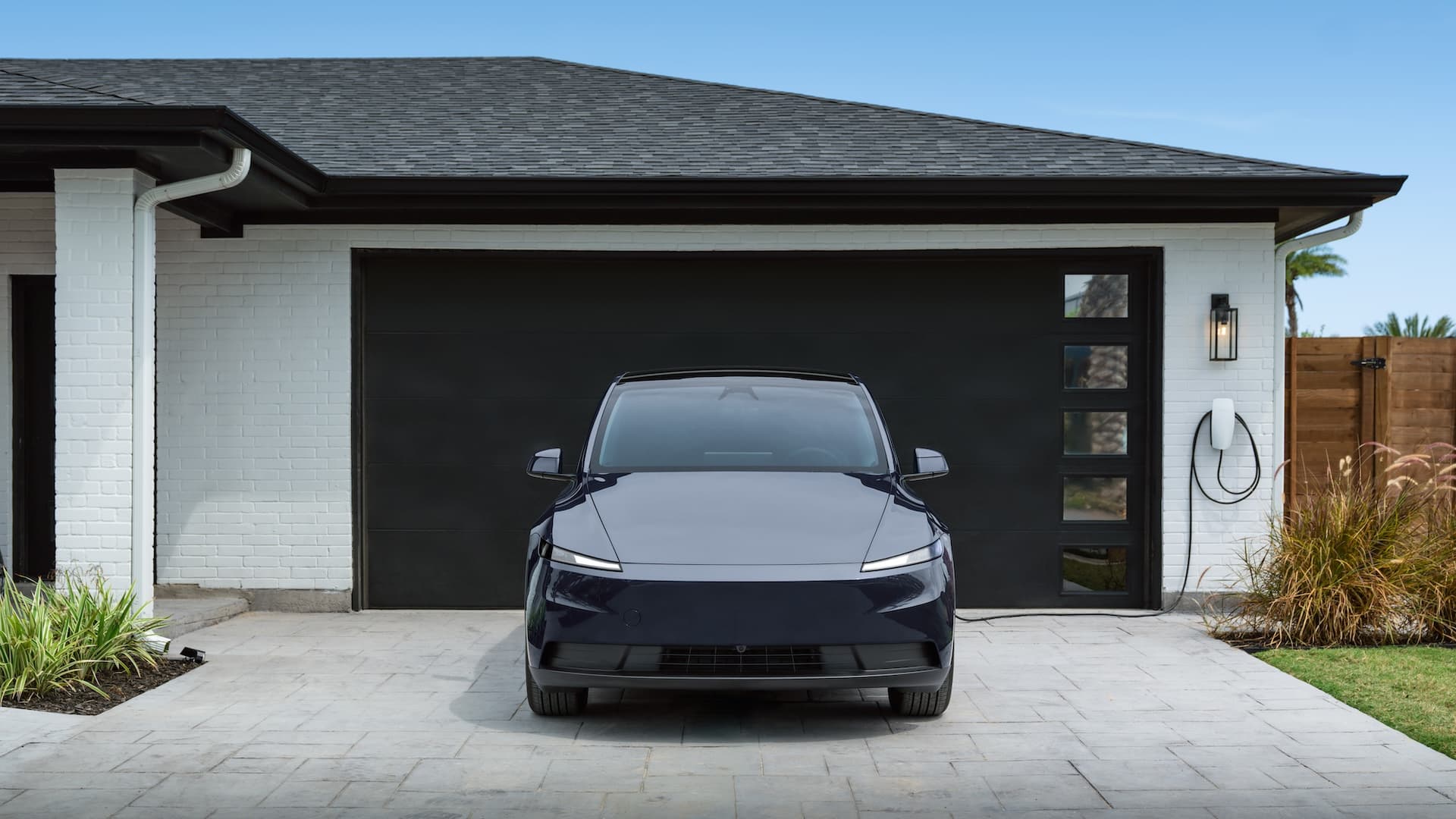
There is one figure that changes the conversation about electric cars more than any other: how many minutes it takes you to recover 300 km of range at a motorway stop. That is where true fast charging comes in, the kind that exceeds 200 kW of peak power. And it is also where the Spanish market, at last, is starting to offer real options below 60,000 euros.
We have reviewed the current offer in Spain to build this ranking. Six electric models, different architectures for managing energy, and a single entry filter: charging at more than 200 kW without blowing a year’s salary at the dealership.
Why charging above 200 kW is no longer a luxury in 2026
Three years ago, exceeding 200 kW of peak power was the territory of electric sports cars costing 90,000 euros and up. Not any more. The proliferation of 300 and 400 kW chargers on Spanish motorways —Iberdrola, Endesa X Way, Ionity— has turned having a car capable of using that power from a technical curiosity into, quite simply, common sense.
The practical difference is huge. An SUV that charges at 100 kW needs 35-40 minutes to go from 10% to 80%. One that charges at 230 kW does it in 18 minutes, sometimes less. It is the difference between a relaxed coffee and a coffee standing at the machine.
400V and 800V: the architecture that makes the real difference
Not all the cars on this list charge equally fast for the same reason, and that deserves some explanation. 800-volt systems —such as those of Hyundai, Kia or XPeng— allow more power to be moved with fewer heat losses, which in theory enables higher and more sustained peak charging rates. 400-volt systems, as in Tesla or Polestar, compensate with very finely tuned battery thermal management and power electronics optimised over years of mass production.
Does 800V always win? Not necessarily. The power peak lasts only briefly in almost every case, and what really matters is the sustained charging curve between 20% and 60%, where the real battle for on-the-road charging is fought.
Methodology: how we chose these 6 electric models
The criteria were strict: peak charging power declared by the manufacturer equal to or above 200 kW, official price in Spain below 60,000 euros in the version that reaches that power, and effective commercial availability in the national market today. We have excluded entry versions with small batteries that fall below 200 kW and models that do not yet have confirmed deliveries in our country.
The 2026 ranking: electric SUVs and crossovers with charging above 200 kW for less than 60,000 €
Kia EV6 (84 kWh) — from 51,575 €
The EV6 remains, for us, the most honest balance between charging, range and price. While the basic 63 kWh version is limited to 180 kW, the 800V E-GMP platform with an 84 kWh battery reaches peaks of 258 kW, among the highest in this group, and in practice this translates into recovering 80% of the battery in just 18 minutes at a suitable charger.
| Power (kW) | Power (CV) | WLTP range | Consumption | Label | Fuel |
|---|---|---|---|---|---|
| 168 kW | 229 CV | 582 km | 15.9 kWh/100 km | ZERO | Electric |
Hyundai IONIQ 5 (84 kWh) — from 50,020 €
It shares its platform with the EV6, but its design and its price-to-equipment ratio give it its own personality. In its 84 kWh battery version it charges up to 260 kW peak, a figure that is sustained well through much of the charging curve, something not all the rivals on this list manage.
| Power (kW) | Power (CV) | WLTP range | Consumption | Label | Fuel |
|---|---|---|---|---|---|
| 168 kW | 229 CV | 570 km | 16.0 kWh/100 km | ZERO | Electric |
XPENG G6 — from 36,900 €
The cheapest of the six and one of the few that exceed 200 kW from its entry version: 215 kW in the Standard Range (with promotional campaigns from 36,900 €) and up to 280 kW peak in the Long Range thanks to its 800V architecture. We already analysed it in detail in our XPENG G6 review, and what surprised us most then still holds: for that price, it is hard to find anything that overshadows it in ultra-fast charging.
| Power (kW) | Power (CV) | WLTP range | Label | Fuel |
|---|---|---|---|---|
| 190 kW | 258 CV | 435 km | ZERO | Electric |
BYD Sealion 7 (Design AWD) — from 50,990 €
BYD has made a strong entry into the electric SUV segment, and the Sealion 7 is its best card for anyone who wants fast charging without giving up space. While the entry Comfort trim (47,490 €) charges at 150 kW, the Design AWD and Excellence AWD versions (91.3 kWh battery) reach a 230 kW peak alongside their two 390 kW motors (530 CV), making it the most powerful on the list.
| Power (kW) | Power (CV) | WLTP range | Label | Fuel |
|---|---|---|---|---|
| 390 kW | 530 CV | 456 km | ZERO | Electric |
Tesla Model Y (Long Range RWD) — from 49,990 €
The Model Y shows that well-executed 400V can compete head-to-head with 800V. Its own Supercharger network remains, in everyday practice, the advantage that no rival on this list can fully match: it is not just the 250 kW peak power available from the Long Range Rear-Wheel Drive variant, it is the reliability of finding an operational charger.
| Power (kW) | Power (CV) | WLTP range | Label | Fuel |
|---|---|---|---|---|
| 220 kW | 299 CV | 622 km | ZERO | Electric |
Polestar 2 (Long Range Single Motor) — from 50,090 €
With a raised fastback body instead of a pure SUV, it is the one that stands out least for peak charging power (205 kW in the Long Range versions), but it makes up for it with the highest WLTP range of the whole ranking (659 km) and a finish that is a notch above in materials. Here you are not just buying charging speed, you are buying brand and feel.
| Power (kW) | Power (CV) | WLTP range | Label | Fuel |
|---|---|---|---|---|
| 220 kW | 299 CV | 659 km | ZERO | Electric |
Comparison table: the 6 electric cars side by side
| Model | Peak charging | Architecture | WLTP range | Price from | Score |
|---|---|---|---|---|---|
| Kia EV6 (84 kWh) | 258 kW | 800V | 582 km | 51,575 € | 9.1 |
| Hyundai IONIQ 5 (84 kWh) | 260 kW | 800V | 570 km | 50,020 € | 8.9 |
| XPENG G6 (Standard Range) | 215 kW | 800V | 435 km | 36,900 € | 9.3 |
| BYD Sealion 7 (Design AWD) | 230 kW | 800V | 456 km | 50,990 € | 8.5 |
| Tesla Model Y (Long Range RWD) | 250 kW | 400V | 622 km | 49,990 € | 8.8 |
| Polestar 2 (Long Range Single Motor) | 205 kW | 400V | 659 km | 50,090 € | 8.2 |
Highmotor verdict: which one makes sense for your use
If budget is the priority, the XPENG G6 takes first place on this list: it exceeds 200 kW from its entry version (and reaches 280 kW in the Long Range) at a price that leaves more than 13,000 euros of margin compared with the other rivals. If what you want is a seamless charging ecosystem and more than 600 homologated km, the Long Range Tesla Model Y remains the safest bet for long journeys without having to think about it. And if you prioritise finish and quiet cruising over charging minutes, the Polestar 2 more than delivers.
What is clear from reviewing this group of six is that you no longer have to choose between fast charging and a reasonable price. We also saw this when analysing the balance between range, fast charging and price in the Spanish market: the gap between mainstream brands and newcomers from Asia has closed faster than anyone anticipated two years ago.
It is also worth remembering that some of these models may benefit from the Plan Auto+ incentives in force in Spain, whose exact amount should always be checked on the official website before closing the purchase.
Frequently asked questions
Which electric models charge at more than 200 kW for less than 60,000 euros in Spain?
Currently these six models meet both requirements in the Spanish market: Kia EV6, Hyundai IONIQ 5, XPENG G6, BYD Sealion 7, Tesla Model Y and Polestar 2, with charging peaks ranging from the 205 kW of the Polestar 2 to the 280 kW of the XPENG G6 Long Range.
Is the 800V architecture better than 400V for fast charging?
It allows higher power peaks with less energy lost as heat, but the real difference depends on how each manufacturer manages the full charging curve, not just the advertised peak figure.
How long does it really take to charge one of these models from 10% to 80%?
At a charger with sufficient power, between 18 and 27 minutes depending on the model and battery size, provided the battery temperature is in optimal condition and the charger actually delivers the advertised maximum power.
Does the entry price of the range already include the versions with the highest charging power?
Not always: except for the XPENG G6 (which offers 215 kW from entry level), in models such as the Kia EV6, Hyundai IONIQ 5, BYD Sealion 7, Tesla Model Y or Polestar 2 it is necessary to choose the versions with the larger capacity battery to exceed the 200 kW threshold.
Technical specifications of the cars in this article

 Kia offers an electric range of 10 models, 50 versions and 400 possible combinations
 The seven finalists for the 2027 European Car of the Year (COTY) are exclusively electric
 Peugeot E-208 GTi: a battery-powered toy that revives the spirit of the 1980s sports cars
Deja un comentario