Audi BMW e-tron EQA EX40 Genesis GV60 iX1 Mercedes Model Y Q4 Q4 e-tron Tesla Volvo X1 XC40 Electric Cars Rankings SUV
Ranking 2026: the 6 most energy-efficient premium compact electric SUVs in urban driving on the Spanish market
 Iván Navarro
22 October 2026
5 min.
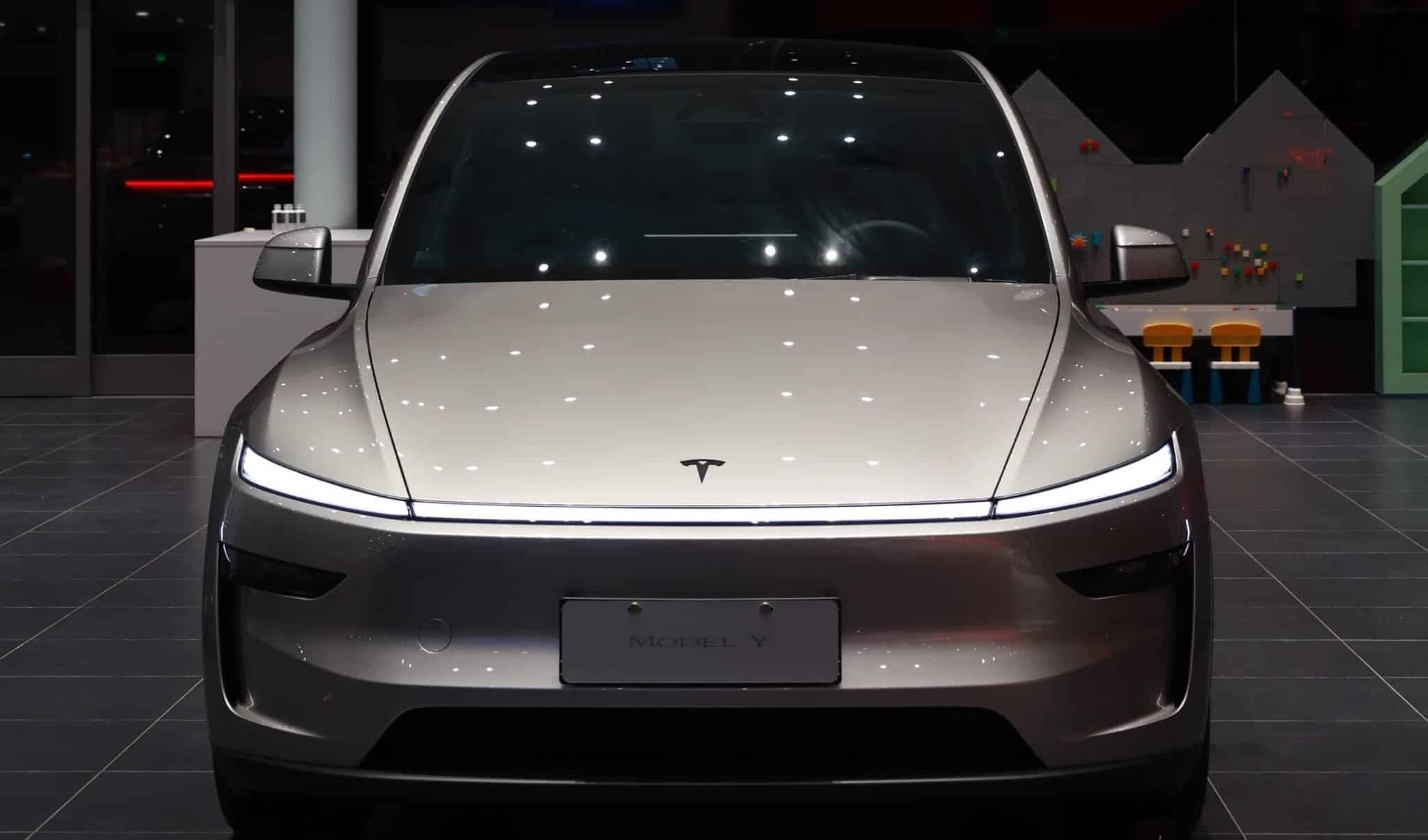
We analyse which premium compact electric SUVs consume the least kWh/100km in WLTP urban driving, with real-world city range and prices from in Spain. Tesla Model Y leads, but the gap to BMW and Mercedes is tighter than it seems.
For most owners of a premium electric SUV, urban driving is the cycle that really matters. Short trips, traffic lights, constant braking and energy recovery used to the full. This is where an electric car truly shines — far more than on the motorway, where aerodynamics dominate and consumption soars. That is why at Highmotor we wanted to isolate this specific figure: the WLTP urban consumption, expressed in kWh/100km, of the six premium compact electric SUVs you can buy today at a Spanish dealership.
What we mean by urban efficiency in a premium electric SUV
Looking only at the total range listed in the catalogue is not enough. An SUV with a huge battery can appear efficient without really being so — it simply carries more kWh and therefore more kilometres, even if it uses more energy per 100 km. Our criteria prioritise three variables: WLTP City consumption (the homologated figure most representative of real city use), the urban range resulting from dividing the usable battery by that consumption, and the starting price in Spain. At equal efficiency, we reward the more affordable model.
2026 ranking: the 6 most efficient premium compact electric SUVs in the city
1. Tesla Model Y — from €39,990
It remains the benchmark. The Model Y in rear-wheel-drive configuration combines a very refined aerodynamic package with a thermal management system that barely penalises consumption in town. We already tested it in our review of the Tesla Model Y: its energy recovery software under braking is, today, among the finest on the market.
| Power | Power CV | Range | WLTP City consumption | Label | Fuel |
|---|---|---|---|---|---|
| 220 kW | 299 CV | 534 km | 12.5 kWh/100km | 0 emissions | Electric |
2. Mercedes-Benz EQA — from €56,450
The EQA 250+ is not the sportiest model in the Mercedes range, and to my taste the design is starting to show its age against more recent rivals. But in town it more than does the job: a generous battery, a single motor on the front axle and a consumption figure that surprises for an SUV weighing over 1,800 kg.
| Power | Power CV | Range | WLTP City consumption | Label | Fuel |
|---|---|---|---|---|---|
| 140 kW | 190 CV | 558 km | 13.2 kWh/100km | 0 emissions | Electric |
3. BMW iX1 eDrive20 — from €49,800
The most expensive of the leading trio, but also the one that best distributes weight and traction at low speeds. The iX1 inherits the platform of the combustion X1, something that once raised doubts about its efficiency — yet the urban result dispels those initial reservations.
| Power | Power CV | Range | WLTP City consumption | Label | Fuel |
|---|---|---|---|---|---|
| 150 kW | 204 CV | 516 km | 13.8 kWh/100km | 0 emissions | Electric |
4. Audi Q4 e-tron — from €55,570
The Q4 e-tron 45 plays in another league in terms of interior space, probably the most spacious of the six. That same bulk costs it some efficiency against the Model Y, although it makes up for this with an urban range approaching 530 km — the highest in this ranking.
| Power | Power CV | Range | WLTP City consumption | Label | Fuel |
|---|---|---|---|---|---|
| 210 kW | 286 CV | 563 km | 14.5 kWh/100km | 0 emissions | Electric |
5. Volvo EX40 — from €46,950
We already pitted the EX40 (formerly the XC40 Recharge) head-to-head against the Audi Q4 e-tron and the conclusion stands: it is the most balanced on price, although on urban consumption it sits a step behind its German rivals. That is no small thing — it remains an efficient and well-resolved SUV.
| Power | Power CV | Range | WLTP City consumption | Label | Fuel |
|---|---|---|---|---|---|
| 175 kW | 238 CV | 477 km | 14.9 kWh/100km | 0 emissions | Electric |
6. Genesis GV60 — from €55,900
It closes the list, and it is debatable whether it is worth it over cheaper rivals on efficiency alone. The GV60 makes up ground with an interior that feels a notch above in materials, plus a Spanish dealer network that is still small but expanding.
| Power | Power CV | Range | WLTP City consumption | Label | Fuel |
|---|---|---|---|---|---|
| 168 kW | 229 CV | 561 km | 15.6 kWh/100km | 0 emissions | Electric |
Summary table: the 6 most efficient premium compact electric SUVs
| Model | Price from | WLTP City consumption | Estimated urban range | Power CV | Score |
|---|---|---|---|---|---|
| Tesla Model Y | €39,990 | 12.5 kWh/100km | 534 km | 299 CV | 9.5 |
| Mercedes-Benz EQA | €56,450 | 13.2 kWh/100km | 558 km | 190 CV | 9.0 |
| BMW iX1 | €49,800 | 13.8 kWh/100km | 516 km | 204 CV | 8.7 |
| Audi Q4 e-tron | €55,570 | 14.5 kWh/100km | 563 km | 286 CV | 8.4 |
| Volvo EX40 | €46,950 | 14.9 kWh/100km | 477 km | 238 CV | 8.2 |
| Genesis GV60 | €55,900 | 15.6 kWh/100km | 561 km | 229 CV | 7.8 |
Methodology: how we built this ranking
We start from each manufacturer’s homologated WLTP City figure, not the combined one — they are different numbers and confusing them leads to wrong conclusions. We then calculate the real urban range by dividing the usable battery capacity by that consumption, and cross-check the result with the starting price in Spain at the close of 2026. The final score weights efficiency (50%), urban range (30%) and price (20%).
Real cost and purchase incentives
An urban consumption below 13 kWh/100km, like that of the Tesla Model Y or the Mercedes EQA, translates into driving around the city for less than €2 per 100 km on a domestic off-peak tariff. On top of that, where applicable, there are the Plan Auto+ incentives, whose amount should always be confirmed on the official website before signing the purchase contract.
Frequently asked questions
Which is the most efficient premium electric SUV in the city in 2026?
According to the homologated WLTP City consumption, the Tesla Model Y in rear-wheel-drive version is the most efficient, with 12.5 kWh/100km, ahead of the Mercedes-Benz EQA and the BMW iX1.
What is the difference between WLTP combined and WLTP City consumption?
WLTP City measures consumption under low-speed conditions and frequent braking, typical of an urban environment, and is usually between 15% and 25% lower than the combined figure thanks to greater energy recovery under braking.
Is it worth paying more for a more efficient premium electric SUV?
It depends on use. If the car is mainly driven in town, the electricity savings over the years can justify the initial price difference between, for example, the Volvo EX40 and the BMW iX1.
Are all these models already available at Spanish dealerships?
Yes, all six models in this ranking — Tesla Model Y, Mercedes-Benz EQA, BMW iX1, Audi Q4 e-tron, Volvo EX40 and Genesis GV60 — are currently sold in Spain with direct delivery from the dealership.
Technical specifications of the cars in this article


 Peugeot E-208 GTi: a battery-powered toy that revives the spirit of the 1980s sports cars
 New Lexus ES: luxury grows and goes electric
 First contact with the Dacia Sandero Hybrid 155: power and efficiency from €19,890
Deja un comentario