Recycling electric vehicle batteries, a growing and multimillion-dollar problem
 Guillermo Lopez
29 June 2018
4 min.
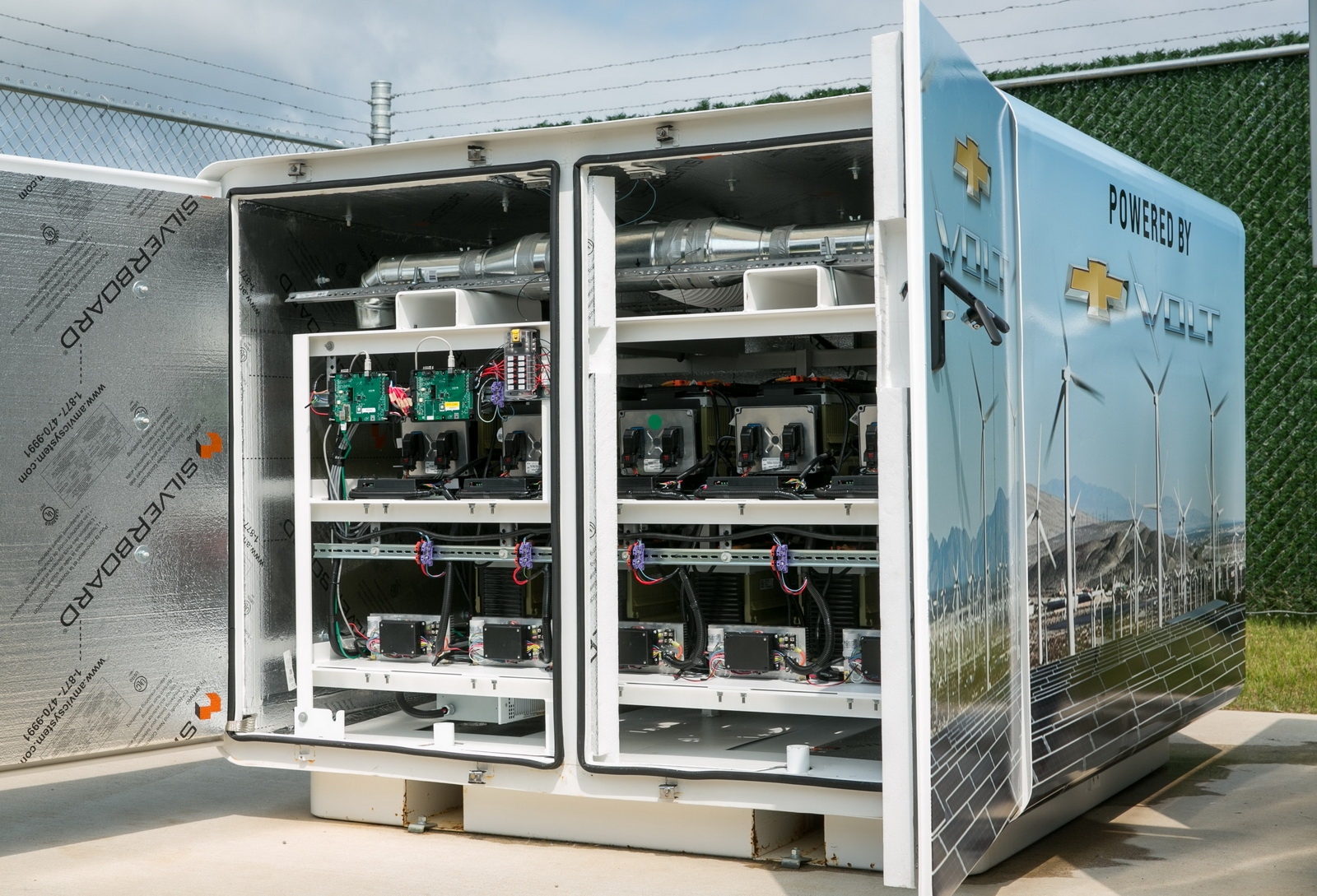
The expected increase in electric car sales is giving rise to an ever-growing problem, and not all manufacturers agree on how to solve it.
After seven years of service in an electric vehicle, the batteries that store the electrical energy that powers it reach the end of their useful life and must be removed from the vehicle to ensure its proper operation. In 2018, 55,000 batteries will reach their retirement age, a figure that will increase progressively and is calculated to rise to 3.4 million units by 2025. And this is only the beginning of a climb that will keep growing as electric vehicles gain a larger presence on the market and their sales become more popular.
Such quantities are beginning to foreshadow a problematic future for recycling, which car manufacturers are already trying to solve. “Car manufacturers face an imminent problem of great scale, which we are already beginning to see: the enormous volume of batteries that will have to be recycled,” said Johan Stjernberg, CEO of Box of Energy AB, a Swedish company that supplies Porsche and Volvo Cars.
In China, where roughly half of the world’s electric vehicles are currently sold, authorities are already creating rules on the matter. Next August a rule will come into force that makes car manufacturers responsible for obsolete batteries and prevents them from being abandoned or dumped in landfills. The European Union also has and is preparing new regulations on the subject, and it is expected that, soon, the US will follow this trend as well.
By 2030, various organizations forecast an increase that will multiply by 25 the current volume of batteries on the market. Automobiles will, by far, be the largest users of lithium-ion batteries in the world, well above the demand generated by mobile phones. And by 2040, more than half of new car sales and nearly a third of the global fleet—the equivalent of some 559 million vehicles—will be electric models powered by the electricity stored in their batteries. By 2050, companies are expected to have invested around 550,000 million dollars in storage batteries for domestic, industrial and large-scale grid uses, according to data from a study on the subject by Bloomberg’s New Energy Finance division (BNEF).
Car manufacturers are already looking for possible solutions to this problem, in which many are already seeing potential new business models, since after seven years of service in a car, its batteries can, once removed and suitably adapted, continue storing and delivering electricity for another 7 to 10 years of use. This extension of their useful life offers important opportunities for car manufacturers, electricity suppliers and related services, as well as for users themselves, for both domestic and industrial uses.
General Motors, BMW, Toyota, BYD, the Renault-Nissan alliance and many other car manufacturers are already working together with suppliers of renewable energy storage systems on the joint development of a market for accessories and additional benefits that facilitate the use of batteries in devices created for this purpose to take advantage of a possible second life. A second life that can also bring significant benefits and additional revenue streams for a product that is already amortized, such as batteries. This economic volume would help reduce the price of electric cars and thereby popularize their purchase.
“The logic behind all of this is the so-called circular economy, thanks to which the battery from the electric vehicle will increasingly become an important component within the energy world,” said Cecile Sobole, program manager for the electric vehicle business at Renault. “The second-life market in storage applications for batteries of electric cars will be enormous,” says Johan Stjernberg, CEO of Box of Energy AB.
In any case, the problem of recycling electric vehicle batteries remains a subject of debate. And just as many companies lean toward exploring the path of reuse that gives batteries a second life, others such as Tesla choose to delve deeper into recovering the raw materials used to produce them, since they do not consider it appropriate to extend the use of their batteries beyond 10 years.

 Peugeot E-208 GTi: a battery-powered toy that revives the spirit of the 1980s sports cars
 New Lexus ES: luxury grows and goes electric
 First contact with the Dacia Sandero Hybrid 155: power and efficiency from €19,890
Deja un comentario