Renault will start using LFP batteries in its electric models from 2026
 Javier Cantagalli
3 July 2024
3 min.
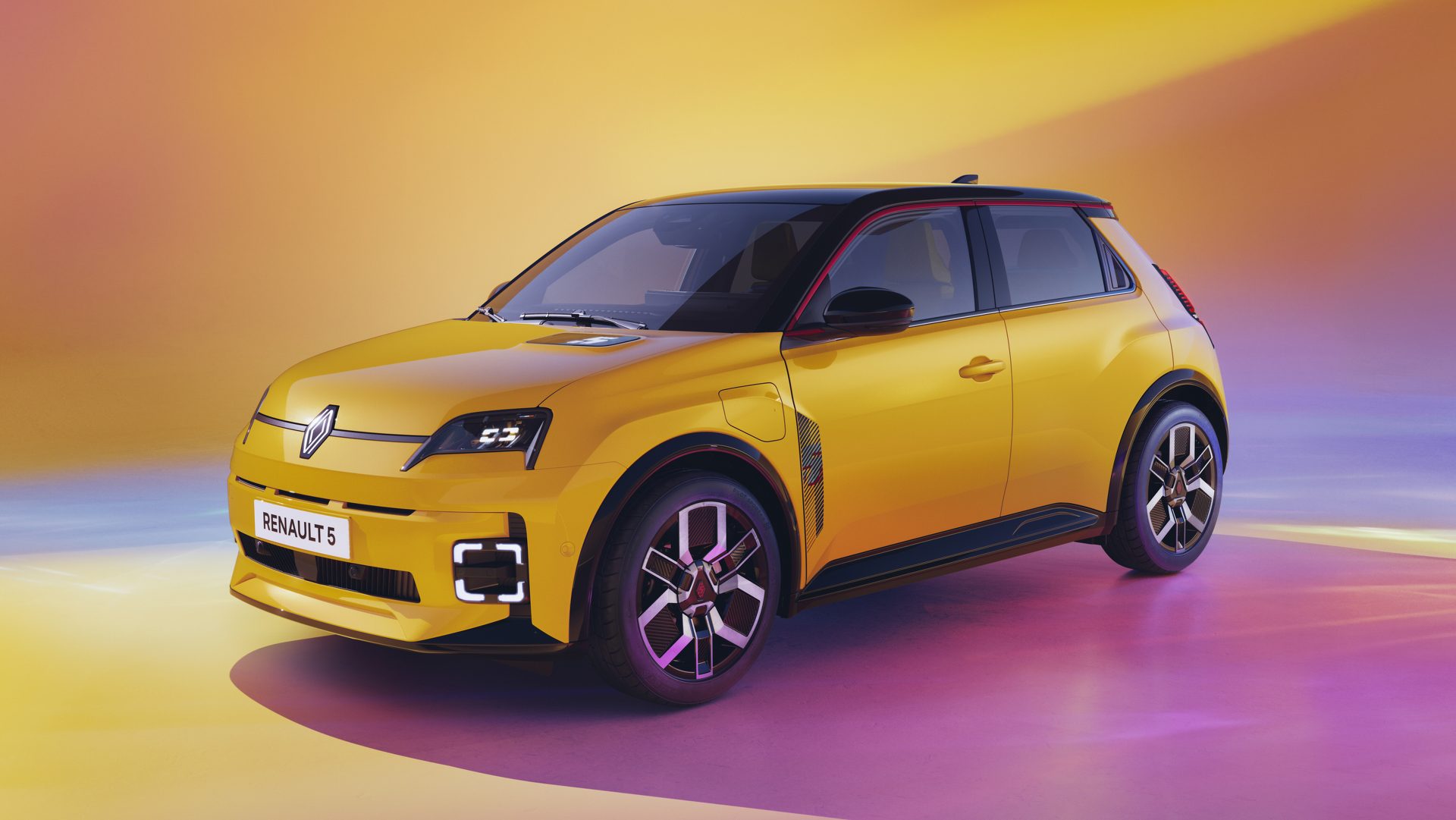
Battery packs with lithium iron phosphate cells will also reach the electric models of the Renault group in the coming years
The Renault Group is set to change its policy of installing only NMC batteries in its electric models, opening up to the use of LFP battery technology as well. As such, the group’s first electric vehicles with lithium iron phosphate batteries supplied by CATL or LGES are expected to start reaching the market in early 2026.
Ampere, Renault’s electric vehicle subsidiary, wants to install this type of battery in its electric models as soon as possible. In an official statement, the French company describes this change as a forward-looking decision in response to the prevailing volatility in the market and to the advances achieved in new battery technologies.
The use of battery packs with lithium iron phosphate cells is increasingly common among many electric car manufacturers. Tesla, Volkswagen, General Motors and a large number of Chinese manufacturers, among others, are adopting this technology, which only a few years ago was considered viable solely for mainly urban, very low-priced models due to the low energy density of this type of cell. However, LFP battery development has advanced rapidly, and suppliers such as CATL already offer LFP battery packs capable of delivering a range of more than a thousand kilometres.
Made in Europe from start to finish
With its commitment to LFP technology, Ampere aims to reduce costs and improve profit margins on its electric models, as other manufacturers are also doing. To achieve this, it is establishing a European value chain. In the coming years, CATL will join the Renault partner circle supplying LFP cells from its plant in Hungary, while the current supplier, LG Energy Solutions, will contribute NMC and LFP cells from Poland. These two partners will supply LFP batteries to Ampere to equip several models of the Renault and Alpine brands, covering the company’s needs until 2030. Meanwhile, AESC and Verkor will continue supplying NMC cells from France.
Together with LG Energy Solution, Ampere is also introducing cell-to-pack technology, eliminating battery modules and integrating the cells directly. With this approach and the introduction of LFP technology, Renault aims to reduce the cost of the battery packs in its electric models by around 20 percent from early 2026.
Although the models that will incorporate these innovations are not specified, one of the first candidates could be the new electric Twingo, whose series production will begin in Slovenia in 2026 and which should reach the market at a price below 20,000 euros. Ampere states that LFP batteries are perfectly suited to certain uses, not only in small vehicles but also in somewhat larger ones, and because they are cheaper, they will favour the democratisation of electric mobility in Europe.
 Peugeot E-208 GTi: a battery-powered toy that revives the spirit of the 1980s sports cars
 New Lexus ES: luxury grows and goes electric
 First contact with the Dacia Sandero Hybrid 155: power and efficiency from €19,890
Deja un comentario