Alto Avenger C-HR Dacia Duster Hyundai Jeep Kona S-Cross Suzuki Toyota Vitara Hybrid Cars ECO Rankings
Suzuki Vitara hybrid vs. Dacia Duster hybrid: which small SUV is more efficient in the city in 2026
 Iván Navarro
16 November 2026
8 min.
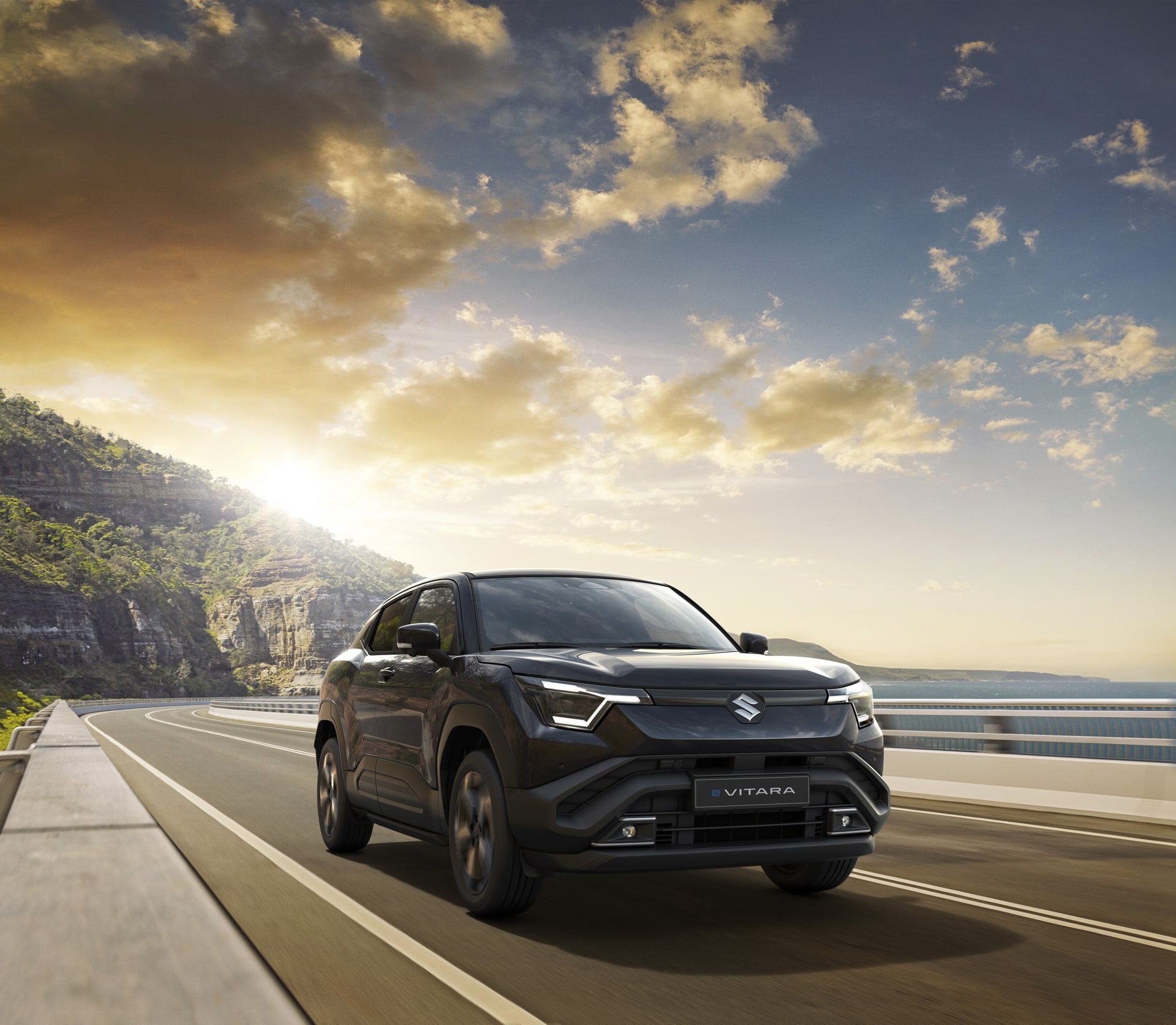
Two philosophies, one shared goal: getting around the city while spending as little as possible, without giving up the raised bodywork of a small SUV. The Suzuki Vitara relies on 48V mild hybrid technology, while the Dacia Duster relies on liquefied petroleum gas. They are different routes to the same destination, and at Highmotor we wanted to put them side by side with the spec-sheet data on the table, not gut feelings.
The question our editorial team hears every day is simple to ask and considerably harder to answer rigorously: is it worth paying more for a mild hybrid, or does the fuel saving offered by LPG make more sense? Let’s break it down.
Suzuki Vitara hybrid 2026: price from approximately €27,950
The Suzuki Vitara Mild Hybrid 1.4T 110 S1 arrives with a 48V mild hybrid system that pairs a turbocharged petrol engine with a small electric motor for assistance. It is not a hybrid in the sense of being able to drive in pure electric mode, but it does reduce the workload on the combustion engine during starts and acceleration, which is precisely where urban traffic takes the heaviest toll.
The homologated WLTP fuel consumption figure stands at 5.3 l/100 km, with CO₂ emissions of 119 g/km. The entry price starts from approximately €27,950 official RRP, a figure to be taken as indicative, since it does not include the brand’s promotional discounts or occasional dealership campaigns.
| Model | Power | Top speed | Consumption | CO₂ emissions | Fuel |
|---|---|---|---|---|---|
| Suzuki Vitara Mild Hybrid 1.4T 110 | 81 kW / 110 CV | 180 km/h | 5.3 l/100 km | 119 g/km | Petrol/electric mild hybrid |
Dacia Duster Eco-G 2026: price from approximately €20,000
The Dacia Duster 1.0 Eco-G 100 Essential plays a different card: petrol/LPG bi-fuel. It is not a hybrid in the strict sense of the term, and it’s worth making that clear from the outset so that nobody buys this Duster expecting it to drive in electric mode at any point. What it offers is the ability to refuel with liquefied petroleum gas, which is noticeably cheaper than petrol at most Spanish filling stations.
Its homologated WLTP consumption is 6.5 l/100 km on petrol and 7.9 l/100 km running on LPG, with 126 g/km of CO₂ in gas mode (145 g/km on petrol). This has an explanation: LPG has a lower energy density, so it consumes a greater volume of fuel per kilometre than petrol, although the final cost per 100 kilometres works out cheaper thanks to the lower price per litre of autogas. The entry price starts from approximately €20,000 RRP, almost €8,000 below the Vitara.
| Model | Power | Top speed | Consumption | CO₂ emissions | Fuel |
|---|---|---|---|---|---|
| Dacia Duster 1.0 Eco-G 100 Essential | 74 kW / 100 CV | 168 km/h | 6.5 l/100 km (7.9 l LPG) | 126 g/km (LPG) | Petrol/LPG |
Suzuki Vitara Mild Hybrid vs. Dacia Duster Eco-G urban consumption
On paper, the Vitara consumes fewer litres of fuel: 5.3 l/100 km compared with the Duster’s 6.5 l/100 km on petrol (or 7.9 l/100 km on LPG). But here the nuance that really matters in day-to-day use comes into play. A litre of LPG costs roughly half as much as a litre of petrol at Spanish filling stations, so the cost per kilometre of the Duster in LPG mode falls clearly below that of the Vitara, even though its volumetric consumption is higher. The Vitara, for its part, does not need to seek out stations with autogas pumps, which remain a minority outside the major cities and main road corridors.
For short journeys, starts and constant stopping (the typical scenario of urban deliveries or daily use in a provincial capital), the Vitara’s mild hybrid system reduces the effort on the combustion engine during the first few metres, which is where the most fuel is burned in real-world driving. The Duster has no such electric assistance, but its small turbocharged three-cylinder engine delivers good torque at low revs, allowing it to move with ease in slow traffic.
DGT label and taxation: differences that affect your wallet
This is one of the points our readers ask about most, and here there is a technical tie. Both the Suzuki Vitara Mild Hybrid, thanks to its 48V mild hybrid system, and the Dacia Duster Eco-G, being homologated as a petrol/LPG bi-fuel vehicle, come fitted as standard with the DGT ECO label across all their versions. This guarantees exactly the same advantages in terms of access to Low Emission Zones and discounts on regulated parking in Spanish cities.
Mild hybrid versus LPG bi-fuel: which technology performs better in the city
There is no absolute winner, and anyone who tells you otherwise is oversimplifying the problem. The Vitara’s mild hybrid adds extra smoothness on start-off, less vibration thanks to its four-cylinder engine, and a simpler mechanism to refuel at any service station. The Duster’s bi-fuel setup, on the other hand, integrates the toroidal LPG tank into the spare wheel well without reducing main boot capacity, offering a very low cost per kilometre if you have autogas pumps nearby.
If your priority is the long-term cost per kilometre and you have an autogas station close to home, the Duster clearly wins. If what you’re after is more refined behaviour in the city, greater power, and you’re not overly concerned about fuel prices, the Vitara has compelling arguments, even though it costs almost €8,000 more upfront before discounts.
Other rivals in the hybrid SUV-B segment worth considering
The segment of electrified small SUVs in Spain does not end with these two models. The Hyundai Kona Hybrid offers a more sophisticated full hybrid system, able to drive in pure electric mode at low speeds over short journeys, something neither the Vitara nor the Duster Eco-G can match. The Toyota C-HR, the historic pioneer of conventional hybrids, remains a benchmark for real-world urban consumption within its category. And the Jeep Avenger, although better known in its electric version, also offers petrol and e-Hybrid mild hybrid variants that compete on the same ground.
We have already analysed in detail the duel between the Hyundai Kona and the Toyota C-HR for those seeking one step further in electrification beyond mild hybrid technology. And if you want to stay within the Suzuki range itself, the comparison between the Suzuki S-Cross and the Vitara is also worth reading before you decide.
Comparative summary table
| Model | Power | Consumption | CO₂ emissions | Price from | City score (1-10) |
|---|---|---|---|---|---|
| Suzuki Vitara Mild Hybrid 1.4T 110 | 81 kW / 110 CV | 5.3 l/100 km | 119 g/km | ≈€27,950 | 7.5 |
| Dacia Duster 1.0 Eco-G 100 | 74 kW / 100 CV | 6.5 l/100 km (7.9 l LPG) | 126 g/km (LPG) | ≈€20,000 | 8 |
The score reflects homologated consumption, entry cost and the real fuel saving margin, not just the figure on the spec sheet.
Verdict: which small hybrid SUV to choose in 2026
If your priority is the entry price and the cost per kilometre over the medium term, the Dacia Duster Eco-G takes the point, especially if you live near a station with LPG. If what you’re looking for is more refined city driving and a more capable four-cylinder engine, the Suzuki Vitara Mild Hybrid fulfils that role better, both sharing the DGT ECO label. There is no single winner: there is the SUV that best fits your routine and the filling station you have around the corner.
Remember that all prices cited in this article are indicative manufacturer RRPs, without brand promotional discounts, financing campaigns or any current scrappage schemes, the conditions of which should always be checked on the official configurator before making any purchase decision.
Frequently asked questions
Is the Suzuki Vitara Mild Hybrid a full hybrid?
No. It is a 48V mild hybrid system that assists the combustion engine during starts and acceleration, but it does not allow driving in pure electric mode like a conventional hybrid.
Does the Dacia Duster Eco-G consume fewer litres than the Suzuki Vitara?
No. According to the WLTP spec sheet, its combined homologated consumption is 6.5 l/100 km on petrol and 7.9 l/100 km on LPG, compared with the Vitara’s 5.3 l/100 km, but its real cost per kilometre in LPG mode is lower thanks to the cheaper price of autogas compared with petrol.
What DGT label does each model have?
Both the Dacia Duster Eco-G and the Suzuki Vitara Mild Hybrid come with the DGT ECO environmental label as standard across all their versions.
Which is cheaper to get into in 2026?
The Dacia Duster Eco-G starts from an indicative price of around €20,000, compared with approximately €27,950 for the Suzuki Vitara Mild Hybrid, both as official RRP without dealer discounts or offers.
Technical specifications of the cars in this article

 Kia offers an electric range of 10 models, 50 versions and 400 possible combinations
 The seven finalists for the 2027 European Car of the Year (COTY) are exclusively electric
 Peugeot E-208 GTi: a battery-powered toy that revives the spirit of the 1980s sports cars
Deja un comentario