Testing a new rubber-coated asphalt in the United Kingdom
 Mónica Redondo @MonicaRedondoD
10 June 2019
3 min.
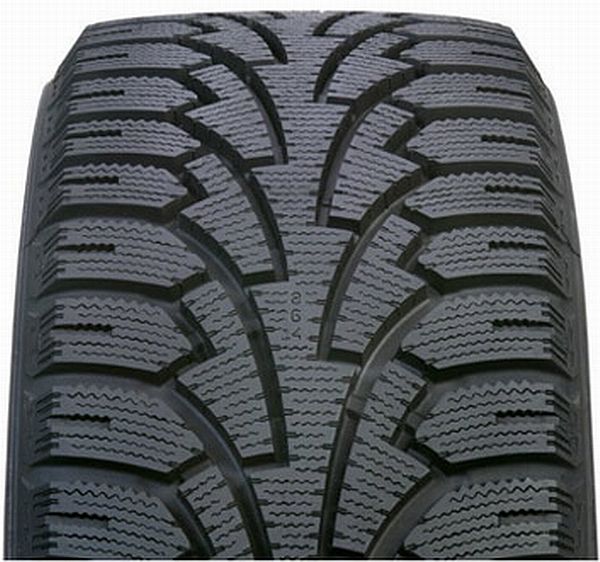
The new rubber compound could significantly reduce exports of used tyres around the world.
A new rubber-coated asphalt is being tested by building materials company Tarmac. This new asphalt uses used tyres to create a new recycled road surface. The company claims that mixing used tyres with asphalt would improve road durability and reduce exports of used rubber.
The company carrying out the tests on asphalt with used tyres has said it could eventually reuse more than 800 tyres for every two kilometres.
According to the company itself, the UK exports around 120,000 tonnes of rubber waste each year. The newly developed road surfacing material could significantly reduce this figure.
The amount of granulated rubber used for each stretch of road would depend on the required thickness, the company conducting the research has said, although the average ratio would be one tyre per tonne of asphalt.
Rubber asphalt, the latest in road durability?
So far, tests have been carried out in Tarmac’s hometown of Coventry, UK, where two 200-metre stretches of public road have already been paved with the new material. A council spokesperson said they were “delighted” with the results and expressed a desire to use “more of the product across the city in the future”.
In addition to the environmental benefits associated with using rubber in asphalt, Brian Kent, the company’s technical director, has confirmed to various sources that the ability of rubber to absorb movement will reduce the risk of cracking in road surfaces.
Although it is more sustainable than existing processes, the new rubber asphalt has proven to be more expensive overall. The cost of sourcing, breaking down and mixing the rubber with asphalt exceeds any savings made by using the waste material. The developer company currently recycles around 8.7 million tonnes of waste from other industries each year, including using used tyres to fuel cement kilns.
It should be noted that rubber-coated asphalt made from used tyres is already being implemented in the United States, where an estimated twelve million tyres are recycled into road surfaces each year. Tarmac’s technical director added that “in the UK, the industrial infrastructure needed to manufacture this type of material is lacking”.
“In the context of major investment in the strategic road network, there would now be a great opportunity to harness this kind of technology and unlock the benefits of this circular economy approach.” It is important to note that discussions are already beginning between Tarmac, the developer of this new compound, and Highways England about the nature of subsequent tests.
It is important to note that rubber powder is a material that improves the properties of traditional road surfacing because it increases durability, reduces cracking and copes better with bad weather§h35§, reasons that have led to its use by motorway concession companies.


 Peugeot E-208 GTi: a battery-powered toy that revives the spirit of the 1980s sports cars
 New Lexus ES: luxury grows and goes electric
 First contact with the Dacia Sandero Hybrid 155: power and efficiency from €19,890
Deja un comentario