Genesis Lexus Mercedes Volvo Buying Guides SUV
The best premium SUVs with value for money in 2026 under €65,000
 Iván Navarro
13 August 2026
6 min.
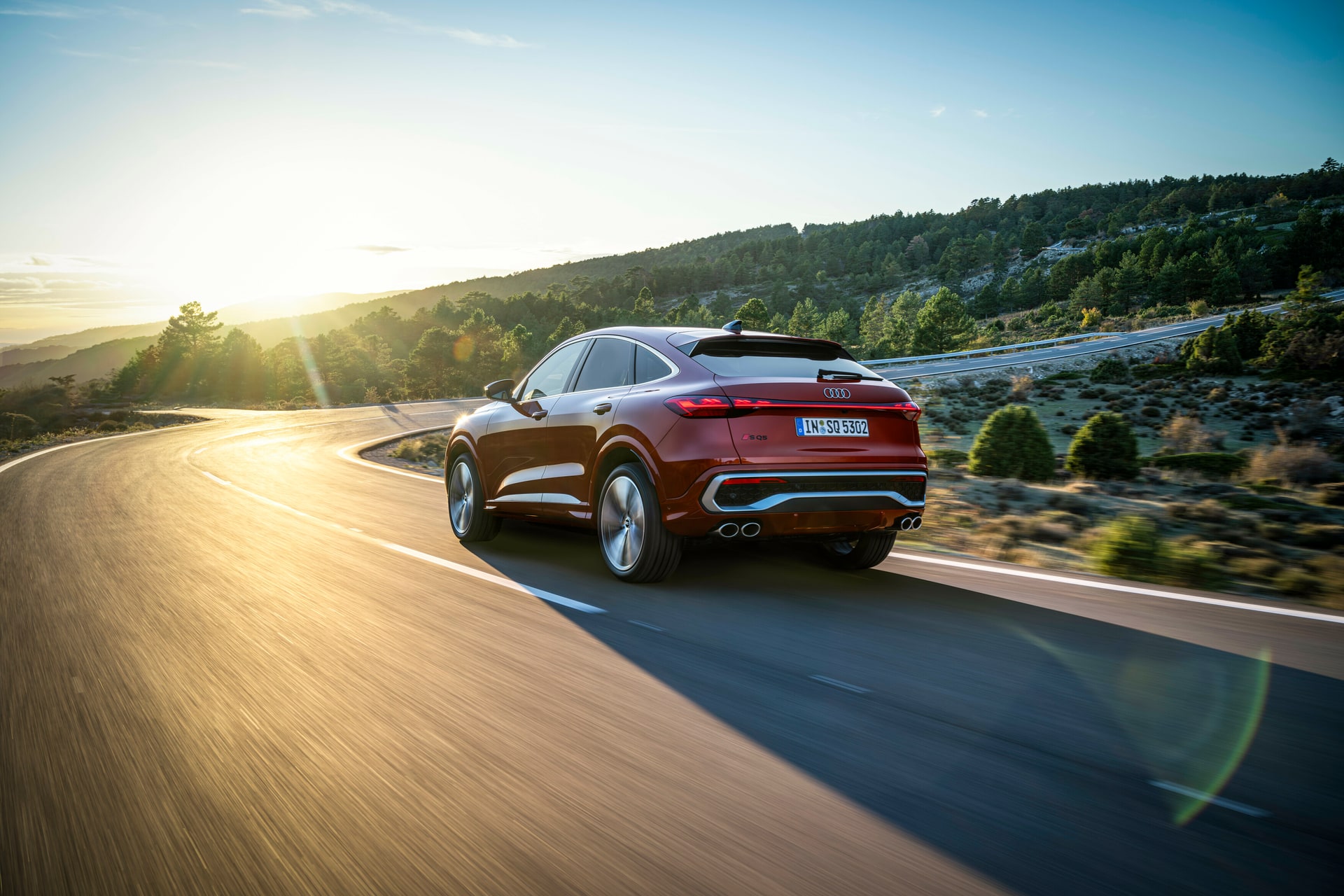
2026 buying guide to the most interesting premium SUVs under €65,000 in Spain, comparing German, Nordic, Japanese and Korean models with real data on equipment, warranty and residual value.
Buying a premium SUV in 2026 without crossing the €65,000 psychological barrier no longer means giving up anything essential. The Spanish market offers a wider range than it seems: German traditionalists, a Nordic with a retreat-like character, a nearly unshakeable Japanese model, a Korean still fighting for its place, and a French one with personality. The question is no longer whether there are options, but which one makes sense when you look at the whole picture —standard equipment, environmental label, warranty, residual value and real cost over three or four years—.
What defines a premium SUV with good value for money today?
In 2026, a premium SUV has to earn its credibility on three fronts: perceived quality inside (materials, soundproofing, real ergonomics of the controls), useful technology as standard (level 2 ADAS, matrix LED headlights, at least dual-zone climate control) and a powertrain that suits the way it will be used. Everything else is decoration.
In our view, value for money isn’t measured on the purchase receipt. It’s measured at 60,000 kilometres: how much the car is worth when you trade it in, how much you’ve spent on servicing, and whether its environmental label has let you into low-emission zones without any surprises.
Germans, Nordics, Japanese, Koreans and French: where they stand in 2026
German brands still set the pace in dynamics and technology, but they have raised option-list prices to the point where a bare base trim spoils the overall package. Volvo focuses on comfort and safety, Lexus on almost obsessive reliability, Genesis on full standard equipment —its strongest asset— and DS on design and comfort at a more restrained price.
BMW X3 — from €58,900
The new-generation X3 keeps what has always made it the segment reference: dynamics no rival matches without sacrificing comfort. The 20 xDrive version with ECO label (mild hybrid) is the most balanced choice for mixed use. Renewed interior, curved screen and an ergonomics that, in my opinion, is still ahead of that of Mercedes.
| Power kW | Power CV | Top speed | Range | Consumption | Label | Fuel |
|---|---|---|---|---|---|---|
| 153 | 208 | 215 km/h | ~900 km | 6.9 l/100 km | ECO | Hybrid (petrol MHEV) |
Audi Q5 — from €60,400
The Q5 debuts a new generation on the PPC platform, with an interior presentation that finally lives up to what the brand promised in its catalogue. The TFSI e plug-in is the logical choice if you have a charging point at home: ZERO label and around 90 km of homologated electric range. On paper, it is the most rational of the German trio.
| Power kW | Power CV | Top speed | Range | Consumption | Label | Fuel |
|---|---|---|---|---|---|---|
| 220 | 299 | 230 km/h | ~800 km combined | 1.3 l/100 km WLTP | ZERO | PHEV |
Mercedes-Benz GLC — from €62,800
The GLC 300 e 4MATIC is the most ambitious PHEV in the segment: close to 130 km of homologated electric range and a combined output that brings it close to soft AMG territory. That said, the MBUX takes some patience during the first few days —Mercedes has already admitted it will bring back physical buttons because the all-touch approach got out of hand—.
| Power kW | Power CV | Top speed | Range | Consumption | Label | Fuel |
|---|---|---|---|---|---|---|
| 230 | 313 | 218 km/h | ~130 km electric + petrol | 0.8 l/100 km WLTP | ZERO | PHEV |
Volvo XC60 — from €56,500
Almost ten years after its second generation, the XC60 remains one of the most pleasant cabins in the segment. The T6 Recharge combines ample power with a ZERO label. Volvo maintains competitive warranty and maintenance programmes, and its three-year residual value holds up well —better than that of some German rival we won’t name—.
| Power kW | Power CV | Top speed | Range | Consumption | Label | Fuel |
|---|---|---|---|---|---|---|
| 257 | 350 | 180 km/h | ~80 km electric + petrol | 1.1 l/100 km WLTP | ZERO | PHEV |
Lexus NX 350h — from €54,900
What sets Lexus apart from the rest is peace of mind. Five years of warranty, extendable with official servicing, hybrid reliability proven one and a half million times over, and a real-world consumption below 6 l/100 km if the right foot is kept in check. The interior is slightly less “wow” than a GLC, but better finished than critics acknowledge.
| Power kW | Power CV | Top speed | Range | Consumption | Label | Fuel |
|---|---|---|---|---|---|---|
| 179 | 244 | 200 km/h | ~950 km | 5.9 l/100 km | ECO | Self-charging hybrid |
DS 7 — from €46,000
The DS 7 is the most affordable in the ranking and the one with the most stylistic character. The E-Tense 225 PHEV version adds a ZERO label and an interior with details no German brand offers below €65,000 —guilloché on the controls, genuine Napa leather upholstery. Dynamics are not its strong point; comfort is.
| Power kW | Power CV | Top speed | Range | Consumption | Label | Fuel |
|---|---|---|---|---|---|---|
| 165 | 225 | 225 km/h | ~65 km electric + petrol | 1.4 l/100 km WLTP | ZERO | PHEV |
Comparison: overall score 2026
| Model | Price from | CV | Label | Consumption | Fuel | Score /10 |
|---|---|---|---|---|---|---|
| BMW X3 | €58,900 | 208 | ECO | 6.9 l | Petrol MHEV | 8.7 |
| Audi Q5 TFSI e | €60,400 | 299 | ZERO | 1.3 l WLTP | PHEV | 8.6 |
| Mercedes GLC 300 e | €62,800 | 313 | ZERO | 0.8 l WLTP | PHEV | 8.5 |
| Volvo XC60 T6 | €56,500 | 350 | ZERO | 1.1 l WLTP | PHEV | 8.8 |
| Lexus NX 350h | €54,900 | 244 | ECO | 5.9 l | Hybrid | 8.9 |
| DS 7 E-Tense | €46,000 | 225 | ZERO | 1.4 l WLTP | PHEV | 8.0 |
Grants, environmental label and real cost of use
The Plan Auto+ is the current framework of purchase grants in Spain; check the official website for the amounts in force, which change depending on the year and the engine. For urban use with LEZ restrictions, any PHEV on the list meets the ZERO label requirement. If you drive more than 25,000 km a year on motorways, the self-charging hybrid of the Lexus or the mild hybrid of the X3 work out more economical than a PHEV you rarely charge.
On residual value: 2025 market studies still place BMW, Volvo and Lexus at the top at 36 months, with depreciation held below 40%. Genesis and DS lose the most —their entry price is lower, but the equation does not always pay off.
Recommendations by buyer profile
- Urban use + LEZ + home charging: Volvo XC60 T6 or Mercedes GLC 300 e.
- Motorway mileage: Lexus NX 350h or BMW X3 20 xDrive.
- Distinctive design and a tight budget: DS 7 E-Tense.
- Purely rational: Audi Q5 TFSI e.
If you are also interested in comfort on long journeys, we have a specific ranking of premium SUVs for family travel that complements this guide.
Frequently asked questions
Which premium SUV offers the best value for money in 2026 under €65,000?
The Lexus NX 350h and the Volvo XC60 T6 lead the overall equation: warranty, proven reliability, favourable label and a solid three-year residual value. The BMW X3 remains the most balanced in dynamics and technology.
Is a premium SUV PHEV worth it if I don’t have a charging point at home?
No. A PHEV that isn’t charged regularly consumes more than an equivalent hybrid and loses its real tax advantage. If you can’t charge, a mild hybrid or a full hybrid such as the Lexus NX is the better option.
What warranty do premium brands offer in 2026?
Volvo, Audi, BMW and Mercedes offer 2 years plus roadside assistance; Lexus extends to 10 years with official servicing. Warranty is now as valid a purchase argument as equipment.
Can I apply for the Plan Auto+ grants on a premium SUV?
Yes, provided the chosen version meets the ZERO or ECO label requirements set out in the current call. PHEVs on the list usually qualify; check the amounts and up-to-date figures on the official website before signing.

 Peugeot E-208 GTi: a battery-powered toy that revives the spirit of the 1980s sports cars
 New Lexus ES: luxury grows and goes electric
 First contact with the Dacia Sandero Hybrid 155: power and efficiency from €19,890
Deja un comentario