Lamborghini Lanzador Electric Cars Supercars
The Lamborghini Lanzador might not be electric and could end up being a plug-in hybrid
 Javier Cantagalli
27 July 2025
3 min.
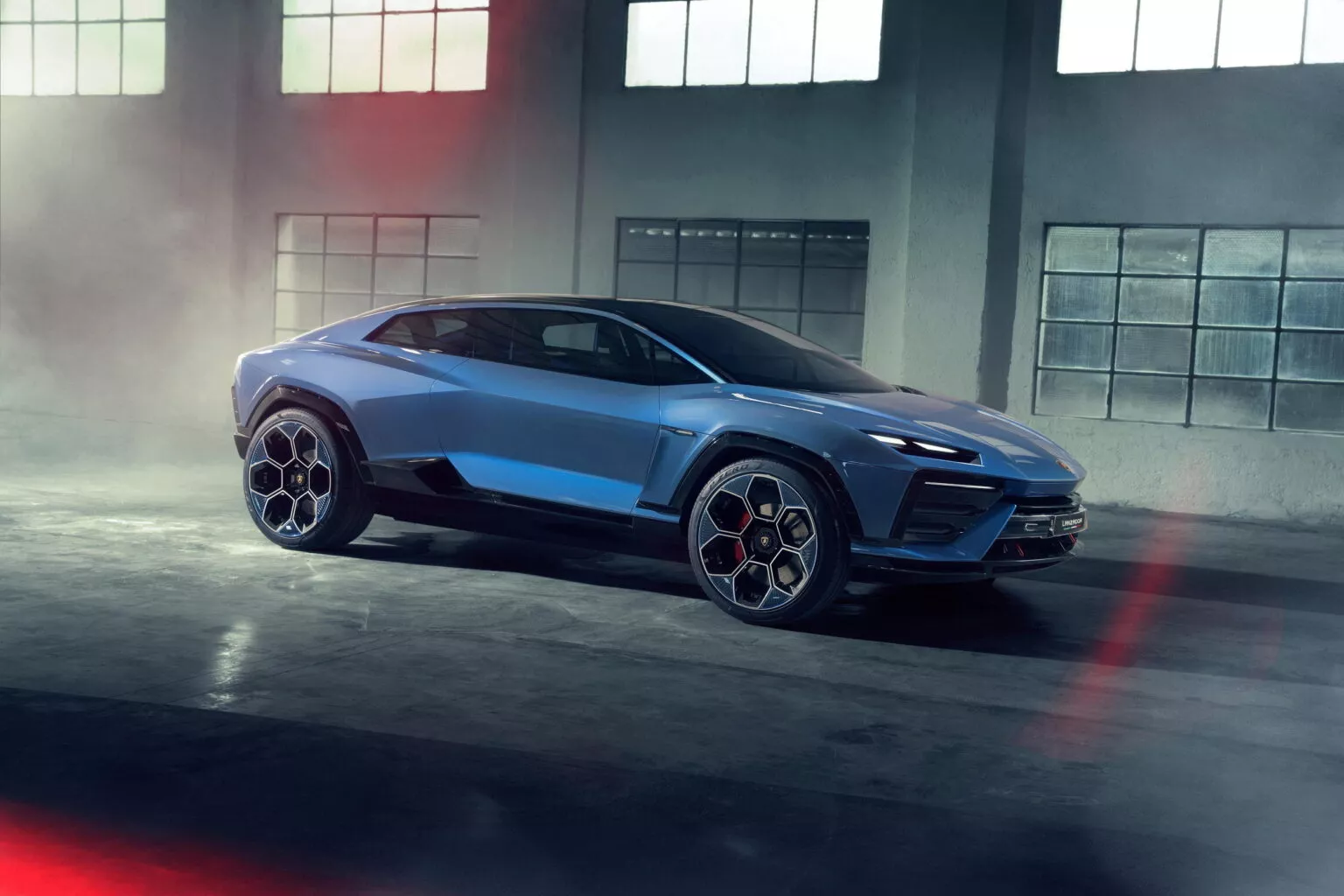
Lamborghini faces the complicated challenge of striking a balance between innovation and tradition, driving the electrification of its range while meeting the demands of its customers.
Many things have changed in the automotive sector over the past two years, forcing a good number of manufacturers to readjust their medium- and long-term future strategies. The Italian manufacturer Lamborghini is one of them: its intention to market its first electric supercar now seems to be in the air, according to recent statements from the brand’s chief.
In 2023, the company unveiled the spectacular Lanzador prototype, which left us all impressed: a 2+2-seat supercar that promised to be a preview of the first fully electric, series-production vehicle from the Sant’Agata Bolognese firm. Its launch was initially scheduled for 2028, although it was later pushed back to 2029.
The reality may turn out to be different, however, if we take heed of recent statements by Stephan Winkelmann, the current head of the Italian brand. In his own words, the management at Lamborghini are reconsidering the decision for the Lanzador to be a fully electric supercar, and the possibility of it ending up as a plug-in hybrid is now on the table. The adoption rate of electric vehicles, especially in the supercar segment, seems to be the reason that has led the company to consider this option.
Opting for a plug-in hybrid propulsion system could perhaps be a less risky alternative
As Winkelmann explained, Lamborghini is currently at a crucial moment in defining whether the Lanzador will be fully electric or a plug-in hybrid, since the final decision will be taken very soon. This situation is yet another example of the complicated challenges facing supercar and high-performance vehicle manufacturers in general, since a large part of their customers are staunch defenders of combustion engines, which makes the transition to electric mobility far more difficult.
On the other side of the scale, meanwhile, government emissions regulations worldwide are becoming increasingly strict, leaving manufacturers between a rock and a hard place, since it is very difficult, if not impossible, to meet the demands of their customers while also complying with the new regulations that keep coming into force.
Likewise, the future replacement for the currently marketed Urus SUV, which was originally going to be a fully electric model, now seems likely to end up as a plug-in hybrid model too. Lamborghini will also continue to back combustion engines, betting on synthetic fuels as a possible solution to prolong the life of its iconic petrol engines, which deliver the roar and excitement that many of its customers still demand.


 Peugeot E-208 GTi: a battery-powered toy that revives the spirit of the 1980s sports cars
 New Lexus ES: luxury grows and goes electric
 First contact with the Dacia Sandero Hybrid 155: power and efficiency from €19,890
Deja un comentario