Tips for optimizing electric car battery charging in winter
 Victor Alós Yus @sepelaci
1 December 2022
3 min.
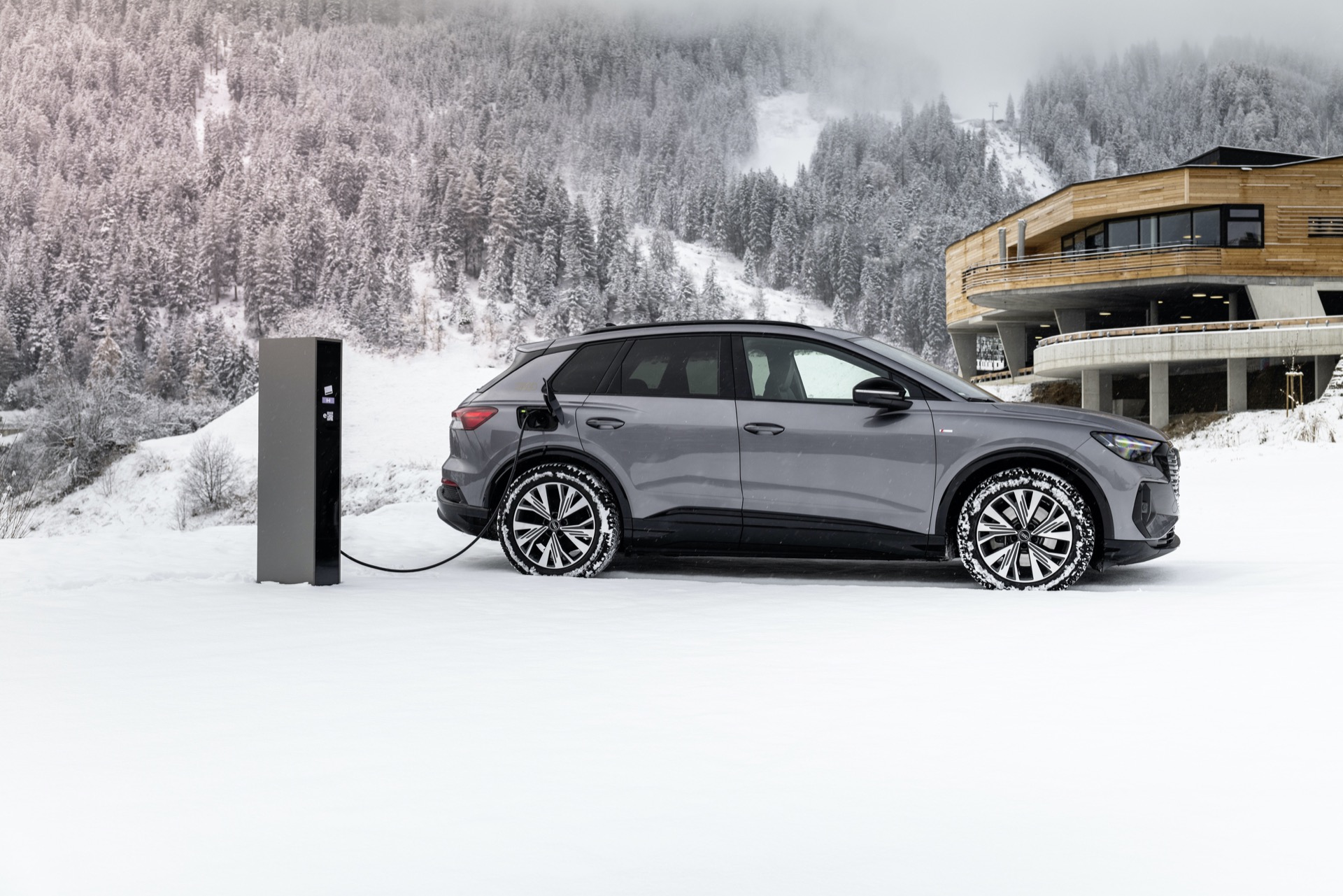
Winter has arrived, and it is worth considering how it affects electric car batteries, in order to improve their charging and ensure range.
We have already discussed in other articles that winter affects electric vehicles very intensely. Batteries, above all, are the components that suffer most from low temperatures. The cold acts on the chemical reactions that take place in the battery cells. Low temperatures slow this process down and, as a consequence, so does the charging process.
In addition, these low temperatures mean that the useful life of these cells is also shorter. All of this has led manufacturers to take measures to help users make battery maintenance and charging more efficient. Among these systems, a winter charging mode stands out, which is somewhat slower to avoid overstressing the battery.
In addition, the cold increases consumption, which reduces range. This is something to keep in mind when planning a trip in an electric car. But there are also some tips that can help make charging more efficient and maintain the battery’s range in winter as well.
- Charging the battery while it is warm: If battery charging is started while the battery is still warm, for example after parking at home or in a car park, the battery has enough temperature to charge normally and it will be quicker to have it ready for use.
- Charging overnight:It is important to charge the battery overnight. Overnight temperatures tend to be colder, and the battery is exposed to those low temperatures. While charging, the battery maintains an adequate temperature and avoids suffering the effects of the cold. Furthermore, this way less energy is needed to charge it, and there is a considerable saving during charging.
- Turning on the climate control while charging: If the climate control is running during charging, the cabin temperature is kept at a comfortable level without using up the battery’s energy. The electricity from the charging point is enough to heat the cabin, so that when driving no extra energy needs to be spent.
- Planning the charge: Plan the charge so that the battery is fully charged when the vehicle has to be used. To do this, bear in mind that the cold can make charging take considerably longer. Knowing this, you can plan the charge to have a full charge in time to use the vehicle.
- Using seat heating: If the car has heated seats, it is advisable to use them to retain warmth in the cabin. Sometimes this alone is enough to keep the interior warm without using the climate control. This system uses less energy and can be very practical, especially when travelling alone.


 Peugeot E-208 GTi: a battery-powered toy that revives the spirit of the 1980s sports cars
 New Lexus ES: luxury grows and goes electric
 First contact with the Dacia Sandero Hybrid 155: power and efficiency from €19,890
Deja un comentario