7X B10 G6 Leapmotor Xpeng Zeekr Electric Cars Comparisons Tests SUV
XPENG G6 vs Zeekr 7X: Chinese premium electric C-SUVs battle under €50,000
 Iván Navarro
26 October 2026
5 min.
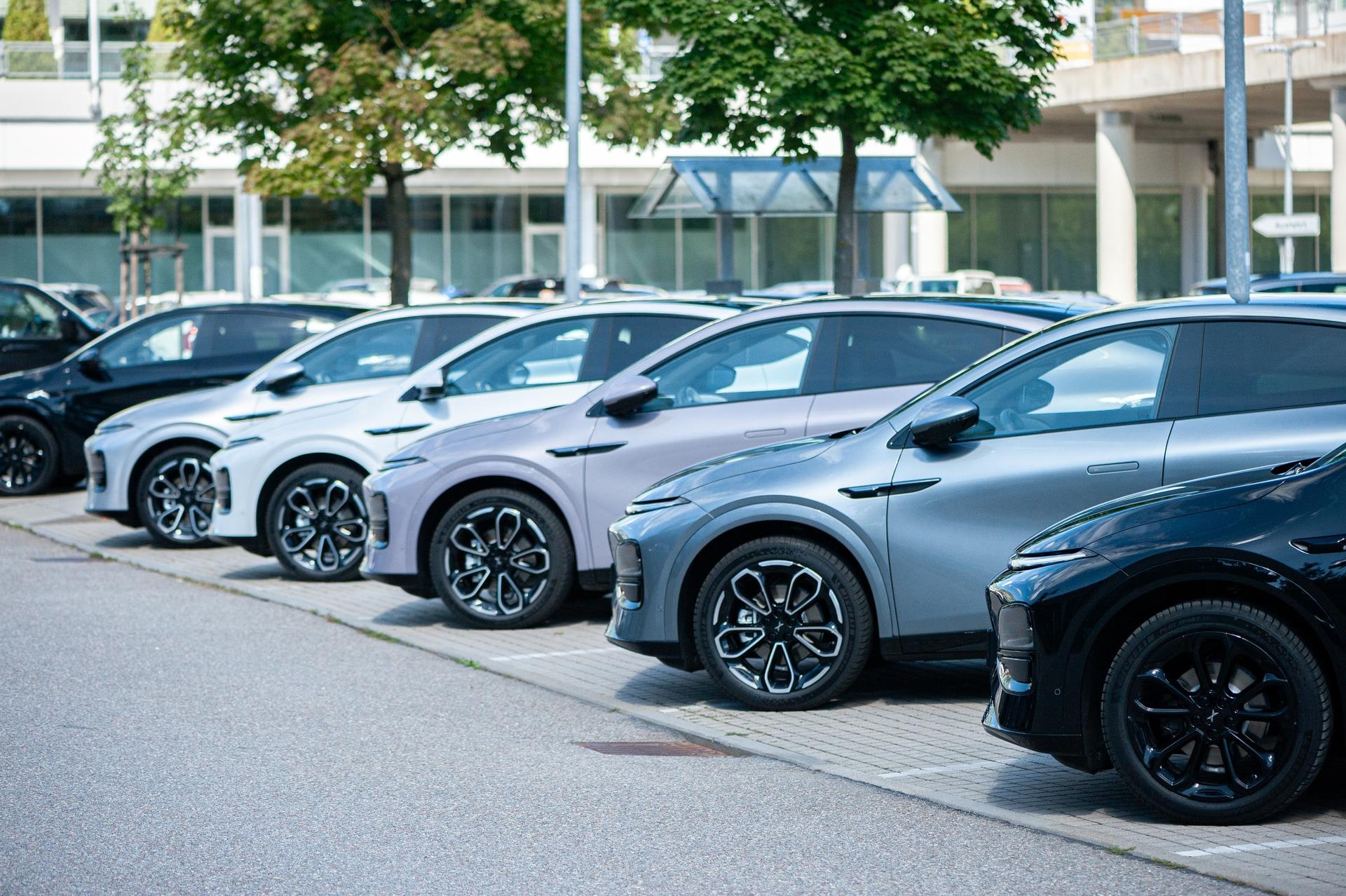
We compare the XPENG G6 and the Zeekr 7X, two Chinese electric C-SUVs recently arrived in Spain, to find out which offers the better balance of price, power and range below €50,000.
The Chinese electric C-SUV segment is no longer a curiosity for the showroom. It now competes head-to-head with European and Korean rivals, and it does so with arguments that can no longer be dismissed with condescension. XPENG and Zeekr are two of the names best understanding the Spanish market: the first aims to democratise access to the premium electric SUV, the second prefers to play the card of power and a higher-end finish. The question we want to answer here is simple — which one offers more value below €50,000?
XPENG G6 from €44,990: the entry point to premium electric
The XPENG G6, in its Standard Range 252 version, arrives in the Spanish market from around €44,990 RRP. With roughly 218 kW (252 CV) and a 66 kWh battery that promises around 435 km of homologated range, the G6 is not trying to win the sprint with the shortest 0-100 time, but rather to offer a balanced package: enough power for everyday driving, real-world range for travelling without anxiety, and a price that, in our view, remains the brand’s main selling point.
| Model | Power (kW) | Power (CV) | Range | Battery | Fuel | Label |
|---|---|---|---|---|---|---|
| XPENG G6 Standard Range 252 | 218 kW | 252 CV | 435 km | 66 kWh | Electric | 0 (Zero emissions) |
Zeekr 7X from €52,990: the sporty proposition
The Zeekr 7X enters the scene with a different message. Here it is not about being accessible, but about demonstrating that a Chinese SUV can behave like a sports car without giving up family space. With 310 kW (421 CV) and 440 Nm of torque, the 7X delivers a 0-100 km/h time of around 6 seconds and a top speed of 210 km/h — figures that place it several steps above the G6 in purely dynamic terms. Its 75 kWh battery offers a range of around 480 km, with a homologated consumption of 18 kWh/100 km. It measures 4,790 mm in length and weighs around 2,400 kg, figures that point to a more robust approach, more of a “grand tourer” than a premium city car. The price, however, rises to an approximate RRP of €52,990, slightly exceeding the €50,000 threshold that defines this comparison.
| Model | Power (kW) | Power (CV) | Top speed | Consumption | Fuel | Label | |
|---|---|---|---|---|---|---|---|
| Zeekr 7X | 310 kW | 421 CV | 210 km/h | 480 km | 18 kWh/100 km | Electric | 0 (Zero emissions) |
Design and road presence
Visually, both shy away from the classicism of European SUVs. The G6 plays with a stylised coupé-like silhouette, slim lighting and a clean surface that, allowing for differences, recalls certain proposals from Tesla. The 7X goes a step further: its more muscular bodywork, with almost 4.8 metres in length, conveys sporting intent from the first glance. It is neither better nor worse, it is a matter of taste — but if the goal is to turn heads in the car park, the Zeekr wins hands down.
Interior, technology and perceived quality
This is where the Zeekr 7X justifies much of its price premium. The step up in materials, the sense of solidity and the focus on a more “premium” experience are noticeable as soon as one sits inside. The XPENG G6 does not fall behind in screens or connectivity, but the overall feel is, to my taste, one step lower in touch and finish — consistent with the €8,000 difference between the two.
Range, charging and efficiency: a technical draw
With competitive homologated ranges in both cases (435 km versus 480 km), range is not the criterion that decides this comparison. The G6 achieves its figure with a smaller battery (66 kWh versus 75 kWh), which suggests slightly higher efficiency in using the energy available. In practice, for a driver making mixed urban and interurban trips, the difference will be almost imperceptible.
Price and RRP: the deciding factor
The XPENG G6 meets the goal of staying below €50,000, with a price from approximately €44,990. The Zeekr 7X exceeds it, sitting around €52,990. It is worth remembering that these figures are manufacturer’s recommended retail prices, without dealer discounts or one-off promotions, and excluding public aid such as the Plan Auto+, whose current amount should always be checked on the official website before closing any purchase.
| Model | Power (CV) | Range | Price from | HighMotor score |
|---|---|---|---|---|
| XPENG G6 | 252 CV | 435 km | €44,990 | 8.2/10 |
| Zeekr 7X | 421 CV | 480 km | €52,990 | 8.0/10 |
Verdict: which to choose below €50,000?
If the priority is to meet that budget threshold strictly, the XPENG G6 wins without discussion: it offers a notable range, sufficient power for daily use and a price around €8,000 lower. The Zeekr 7X, however, is no whim — its jump in power and perceived quality may justify the extra cost for those seeking more than a functional electrified car. It is not a panacea either, but its case is solid. For those wanting to explore similar alternatives in price, our ranking of electric SUVs with the best range-to-price ratio below €45,000 adds more context, as does the comparison between the Lynk & Co 02 and the Leapmotor B10, another Chinese duel one price bracket down.
Frequently asked questions
Which is cheaper, the XPENG G6 or the Zeekr 7X?
The XPENG G6 starts from around €44,990 indicative RRP, while the Zeekr 7X is around €52,990, about €8,000 more.
Which model has more range?
The Zeekr 7X offers slightly greater range (480 km versus the 435 km of the XPENG G6 with its 66 kWh battery).
Which is more powerful?
The Zeekr 7X, with 421 CV versus the 252 CV of the XPENG G6, and a 0-100 km/h time of around 6 seconds.
Which offers more value below €50,000?
The XPENG G6 is the one that truly meets that price threshold with a balanced proposition; the Zeekr 7X slightly exceeds it, but compensates with more power and better perceived quality in the interior.
Technical specifications of the cars in this article

 The seven finalists for the 2027 European Car of the Year (COTY) are exclusively electric
 Peugeot E-208 GTi: a battery-powered toy that revives the spirit of the 1980s sports cars
 New Lexus ES: luxury grows and goes electric
Deja un comentario