7X Audi BMW e-tron EQB ES EX40 iX3 Lexus Mercedes Q4 Q4 e-tron RZ Volvo XC40 Zeekr Electric Cars Rankings SUV
2026 ranking: the 6 most efficient premium SUVs with a CERO label on the Spanish market
 Iván Navarro
26 October 2026
5 min.
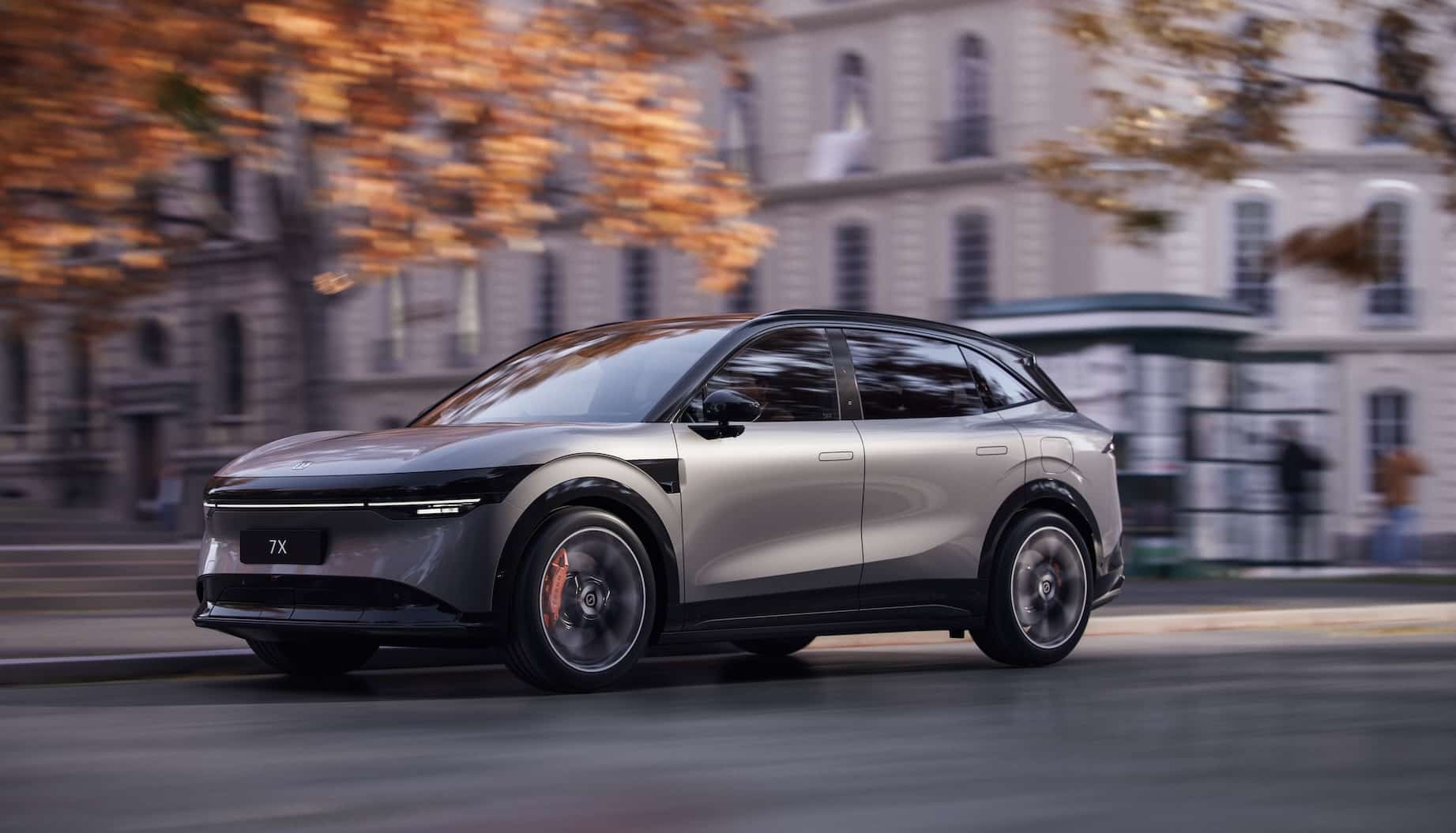
We analyse the most efficient premium electric SUVs with a CERO label on sale in Spain in 2026, using verifiable WLTP consumption, range and price data. A ranking designed for anyone looking for luxury without penalising their electricity bill.
Buying a premium electric SUV in 2026 is no longer just a matter of showing off a badge. Real-world consumption, that figure which almost never matches the brochure, has become the decisive argument for many buyers. That is why we have cross-checked WLTP figures, homologated range and list price for the premium CERO-labelled SUVs that can today be ordered from a Spanish dealership, not at a trade fair or from a neighbouring market.
What does the CERO label mean and why does it matter in a premium SUV?
The DGT CERO label is reserved for battery electric vehicles, plug-in hybrids with a minimum electric range of 40 km and hydrogen vehicles. In this ranking we focus on pure electric cars, the ones that really emit nothing from the exhaust because they have no exhaust pipe. In low-emission zones such as the Madrid or Barcelona Low Emission Zones, that blue sticker makes the difference between driving without restrictions or staying at home on a day of high pollution. And in a premium SUV, where the price already approaches or exceeds 50,000 euros, paying more for electricity because of mediocre efficiency is, frankly, nonsensical.
Selection criteria: how we measure real efficiency
We have prioritised the homologated consumption in kWh/100 km WLTP as the main variable, rather than range on its own, which can be inflated with huge batteries and poor aerodynamics. We also weigh the starting price of the entry version, the available power and, where the data exists, the sustained average speed on motorways. All the models on this list are on sale in Spain right now, with an operational dealer network and reasonable delivery times.
1. Zeekr 7X — from 52,990 €
The electric Zeekr SUV that arrived in Spain only a few months ago leads this ranking on pure efficiency. Its 800-volt platform allows finer thermal management than many European rivals, something we already noticed when testing other products from the brand in our analysis of the Zeekr X9 arriving in Spain. Personally, it is the surprise of the year: a Chinese premium car that competes head-to-head with the German brands in the area that matters most day to day.
| Power (kW) | Power (CV) | WLTP range | Consumption | Label | Fuel |
|---|---|---|---|---|---|
| 310 kW | 421 CV | 615 km | 15.6 kWh/100 km | CERO | Electric |
2. BMW iX3 — from 69,900 €
The new generation of the iX3, now based on the Neue Klasse platform, notably narrows the gap between consumption and power. On paper it is the most balanced premium SUV on the list: neither the cheapest nor the one with the longest range, but the one that best distributes its strengths.
| Power (kW) | Power (CV) | WLTP range | Consumption | Label | Fuel |
|---|---|---|---|---|---|
| 345 kW | 469 CV | 805 km | 16.0 kWh/100 km | CERO | Electric |
3. Audi Q4 e-tron — from 49,970 €
The compact electric SUV from Audi remains a benchmark for entry into the German premium world, something we already analysed in detail when facing it head-to-head with the Volvo EX40. It is not the most powerful, but it makes up for it with restrained consumption and an entry price that is still reasonable for the segment.
| Power (kW) | Power (CV) | WLTP range | Consumption | Label | Fuel |
|---|---|---|---|---|---|
| 210 kW | 286 CV | 525 km | 16.5 kWh/100 km | CERO | Electric |
4. Volvo EX40 — from 51,000 €
The Swedish car, heir to the XC40 Recharge, opts for a sober design and reference-level safety in its segment. On consumption it sits a step below its German rivals, but its entry price more than makes up for it.
| Power (kW) | Power (CV) | WLTP range | Consumption | Label | Fuel |
|---|---|---|---|---|---|
| 175 kW | 238 CV | 475 km | 17.1 kWh/100 km | CERO | Electric |
5. Lexus RZ 450e — from 73,300 €
Lexus offers its usual level of finish and quiet running, although on pure efficiency it lags somewhat behind the rest of the list. It is debatable whether the premium over the Audi Q4 e-tron is justified by all-wheel drive as standard alone.
| Power (kW) | Power (CV) | WLTP range | Consumption | Label | Fuel |
|---|---|---|---|---|---|
| 230 kW | 313 CV | 440 km | 17.9 kWh/100 km | CERO | Electric |
6. Mercedes-Benz EQB — from 58,526 €
The EQB closes the ranking. It is aimed at families who need up to seven optional seats. Its consumption is the highest in the group, logical given the interior volume it offers, but it is not the panacea in range either.
| Power (kW) | Power (CV) | WLTP range | Consumption | Label | Fuel |
|---|---|---|---|---|---|
| 140 kW | 190 CV | 536 km | 17.3 kWh/100 km | CERO | Electric |
Summary table: comparative ranking
| Model | Consumption | WLTP range | Price from | Efficiency score (1-10) |
|---|---|---|---|---|
| Zeekr 7X | 15.6 kWh/100 km | 615 km | 52,990 € | 9.6 |
| BMW iX3 | 16.0 kWh/100 km | 805 km | 69,900 € | 9.3 |
| Audi Q4 e-tron | 16.5 kWh/100 km | 525 km | 49,970 € | 9.0 |
| Volvo EX40 | 17.1 kWh/100 km | 475 km | 51,000 € | 8.6 |
| Lexus RZ 450e | 17.9 kWh/100 km | 440 km | 73,300 € | 8.1 |
| Mercedes-Benz EQB | 17.3 kWh/100 km | 536 km | 58,526 € | 7.7 |
Which premium SUV should you choose in 2026?
If efficiency is the only criterion, the Zeekr 7X wins on the numbers. But the BMW iX3 offers something the rest cannot match: almost 200 km more range without pushing consumption up. For urban use with the occasional weekend getaway, the Volvo EX40 remains, in our view, the most sensible choice on price and practicality.
Frequently asked questions
Which premium electric SUV consumes least in Spain in 2026?
The Zeekr 7X tops this comparison with 15.6 kWh/100 km WLTP, followed very closely by the BMW iX3.
Does the CERO label allow unrestricted driving in all Spanish cities?
Yes, vehicles with a CERO label are exempt from Low Emission Zone restrictions, including high-pollution episodes.
Is it worth paying more for a premium electric SUV over a mainstream one?
It depends on use. If finish, sound insulation and driver-assistance technology matter to you, yes; if only the cost per kilometre matters, a mainstream electric car may be more economical.
Technical specifications of the cars in this article
 The seven finalists for the 2027 European Car of the Year (COTY) are exclusively electric
 Peugeot E-208 GTi: a battery-powered toy that revives the spirit of the 1980s sports cars
 New Lexus ES: luxury grows and goes electric
Deja un comentario