ë-C4 Born C4 Citroen Cupra E-308 Hyundai IONIQ Ioniq 5 Kona León Megane Model Y Peugeot Renault Tesla Electric Cars Compact Rankings
2026 ranking: the 6 electric compacts with the best value for money under €35,000
 Iván Navarro
19 August 2026
6 min.
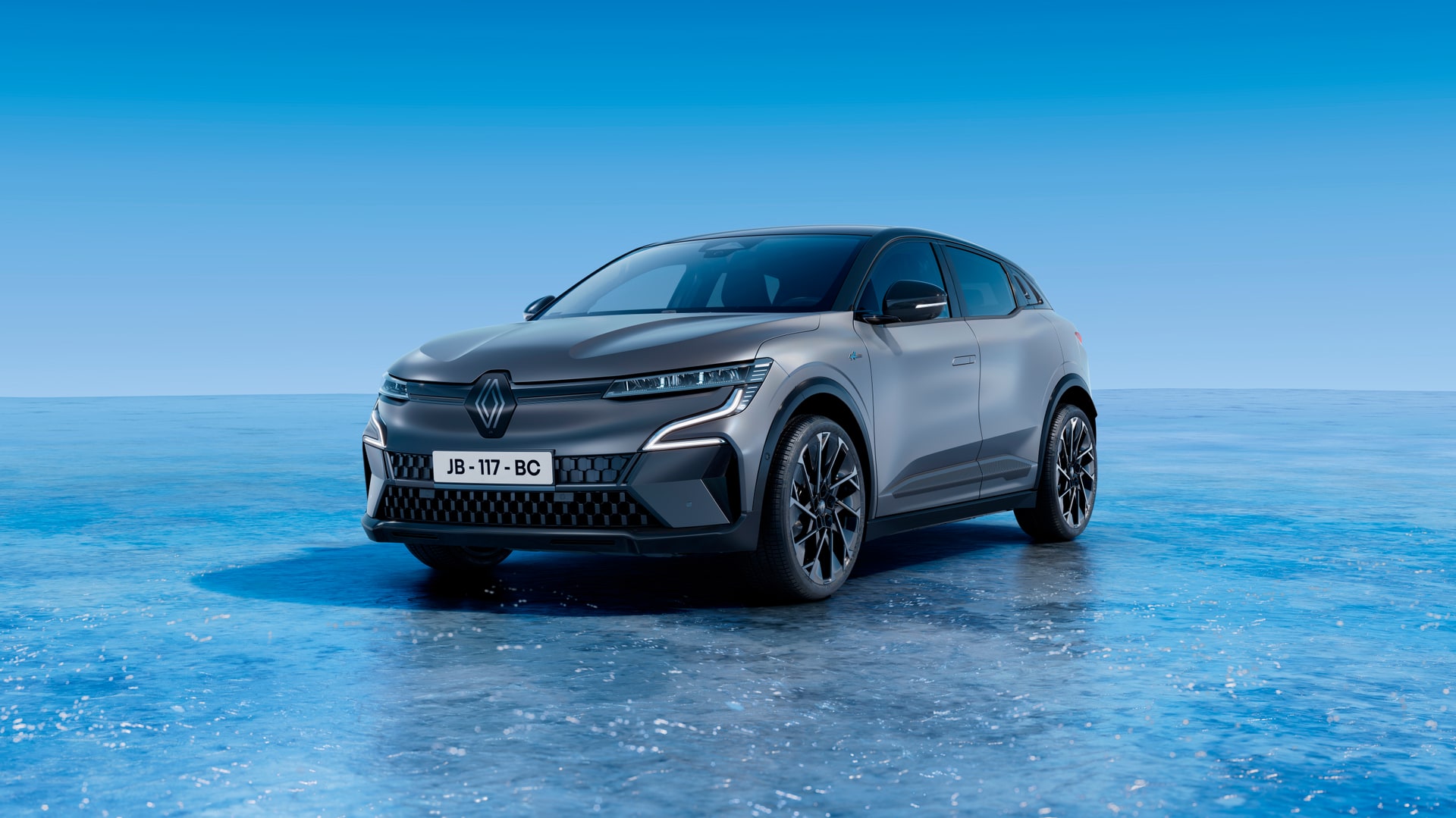
Six electric compacts under €35,000 analysed with an editorial eye: WLTP range, fast charging, standard equipment and real cost per kilometre.
The electric compact has become the real barometer of the market. We are no longer talking about city cars or large SUVs with a zero-emission label: we are talking about the car that competes head-to-head with a Golf or a León with a combustion engine, with families who drive 15,000 km a year and want a single car for everything. Below €35,000 — before applying the Plan Auto+ — the offer has grown so much that separating the wheat from the chaff requires judgement.
This ranking deliberately leaves out BYD. The Chinese brand has the product, the network and the price, but in our view the compacts it currently sells in Spain sit a step below their direct rivals in two respects that weigh heavily here: interior finish and dynamic refinement. There are alternatives in the same price range that offer a more polished driving experience and a cabin that is more convincing to the touch. With that clarified, let us look at the six that do make the cut.
What defines value for money in an electric compact today?
It is not the list price. It is the full equation: how many WLTP kilometres each euro invested delivers, how long it takes to charge from 10 to 80 %, what equipment comes as standard and — the great forgotten factor — how the battery will age. An electric compact under €35,000 should, on paper, offer at least 350 km WLTP, DC charging power around 100 kW and a heat pump without paying extra for it. Those that fail to reach that threshold drop out of the ranking, however cheap the entry price.
Renault Megane E-Tech — from €33,500
The Megane E-Tech remains, in my view, the best-resolved European electric compact below this barrier. A dedicated CMF-EV platform, a 67 kWh battery in the version that matters, and a cabin that ages well: OpenR with Google built in as standard, materials above the segment average and a very well-engineered driving position. In practice it delivers around 500 km WLTP and accepts 165 kW on fast charging.
| Power kW | Power CV | Top speed | Range | Consumption | Label | Fuel |
|---|---|---|---|---|---|---|
| 160 kW | 218 CV | 160 km/h | 500 km WLTP | 16.1 kWh/100 km | Zero | Electric |
Peugeot E-308 — from €34,900
The E-308 arrives right at the edge of the range. It is the most “traditional car” approach in the ranking: it drives like a premium compact, with firm steering and European-textbook suspension tuning. The 54 kWh usable battery delivers around 410 km real-world WLTP, and the i-Cockpit remains divisive — you either love it or it irritates you within the first kilometre. Charging at 100 kW, no fireworks, but consistent.
| Power kW | Power CV | Top speed | Range | Consumption | Label | Fuel |
|---|---|---|---|---|---|---|
| 115 kW | 156 CV | 170 km/h | 450 km WLTP | 15.3 kWh/100 km | Zero | Electric |
MG4 Electric — from €25,990
The MG4 is the numerical argument of the ranking. For less than €30,000 — even without subsidies — it delivers a rear-wheel-drive layout, a chassis that surprises with its balance and up to 450 km WLTP in the Long Range version. The interior does not play in the Megane’s league, and that must be said: hard plastics, adequate infotainment without shining. But the euro-per-kilometre ratio is hard to match.
| Power kW | Power CV | Top speed | Range | Consumption | Label | Fuel |
|---|---|---|---|---|---|---|
| 150 kW | 204 CV | 160 km/h | 450 km WLTP | 16.6 kWh/100 km | Zero | Electric |
Citroën ë-C4 — from €30,400
The ë-C4 is the comfortable proposition in the group. Suspension with progressive hydraulic bump stops, Advanced Comfort seats and a clear vocation: covering motorway kilometres without punishing the passengers. The 54 kWh battery delivers around 420 km WLTP in the updated version, and equipment at mid-level trim already includes dual-zone climate control, an 11 kW AC charger and level 2 ADAS. It is not the fastest at charging (100 kW peak), but it does the job.
| Power kW | Power CV | Top speed | Range | Consumption | Label | Fuel |
|---|---|---|---|---|---|---|
| 115 kW | 156 CV | 150 km/h | 420 km WLTP | 15.2 kWh/100 km | Zero | Electric |
Cupra Born — from €34,890
The Born shares the MEB platform with the ID.3, but gives it a twist in tuning and styling discourse. The entry version with the 58 kWh battery squeezes in just under €35,000 with current promotions, and offers around 484 km WLTP with 105 kW fast charging. The steering asks for more weight than the Megane’s — in our view the French one is better calibrated — but the whole feels solid and very European. We pointed out something similar in the duel between the Hyundai IONIQ 5 and the Tesla Model Y: the dedicated platform makes a difference when it comes to covering long distances in one go.
| Power kW | Power CV | Top speed | Range | Consumption | Label | Fuel |
|---|---|---|---|---|---|---|
| 140 kW | 190 CV | 160 km/h | 484 km WLTP | 16.3 kWh/100 km | Zero | Electric |
Hyundai Kona Electric — from €34,900
The Kona Electric plays on the segment’s border — more crossover than pure compact — but on product it deserves its place. The 65 kWh version is homologated at 514 km WLTP, the highest in the ranking, and its real-world efficiency in town is remarkable. Charging at 100 kW, correct but no more, and the standard equipment of Hyundai remains the silent argument: full ADAS pack, dual 12.3″ screens, 3.6 kW V2L. That is where value for money really adds up.
| Power kW | Power CV | Top speed | Range | Consumption | Label | Fuel |
|---|---|---|---|---|---|---|
| 160 kW | 218 CV | 172 km/h | 514 km WLTP | 14.7 kWh/100 km | Zero | Electric |
Summary table and editorial score
Score out of 10 weighting WLTP range, charging power, standard equipment, perceived quality and entry price.
| Model | Price from | WLTP range | DC charging | Power | Score |
|---|---|---|---|---|---|
| Renault Megane E-Tech | €33,500 | 500 km | 165 kW | 218 CV | 8.8 |
| Hyundai Kona Electric | €34,900 | 514 km | 100 kW | 218 CV | 8.7 |
| MG4 Electric | €25,990 | 450 km | 135 kW | 204 CV | 8.6 |
| Cupra Born | €34,890 | 484 km | 105 kW | 190 CV | 8.3 |
| Peugeot E-308 | €34,900 | 450 km | 100 kW | 156 CV | 7.9 |
| Citroën ë-C4 | €30,400 | 420 km | 100 kW | 156 CV | 7.8 |
Verdict: which electric compact to choose for less than €35,000
If the criterion is overall balance, the Megane E-Tech wins on product. If it is pure cost per kilometre, the MG4 has no rival in the range. And if what you are after is real-world range without giving up equipment, the Kona Electric takes the crown. The other three — Born, E-308 and ë-C4 — are perfectly defensible alternatives depending on very specific priorities: European feel, brand coherence or long-distance comfort. None of them is a bad car. You simply need to know what you are asking of an electric before you sign. Along the same lines, the analysis of how to choose an entry-level electric compact develops the technical thresholds we have only been able to outline here.
Frequently asked questions
Which electric compact offers the best value for money under €35,000 in 2026?
In our view, the Renault Megane E-Tech offers the best balance of product, range (450 km WLTP), fast charging at 130 kW and interior quality. If the deciding criterion is pure price, the MG4 Electric starts at €25,990 with very competitive performance.
Is the Plan Auto+ worth it for buying an electric compact?
Yes, provided the model is on the current list and the buyer meets the requirements. The discount applied to models such as the Megane E-Tech or the Kona Electric can significantly reduce the final outlay. It is advisable to check the official website for the updated amounts.
What WLTP range is reasonable to require under €35,000?
The minimum threshold today should be 350 km WLTP. Models around or above 420 km — Megane, MG4, Kona, ë-C4 and Born — are the ones that genuinely offer viability as a only car, including occasional long-distance journeys.
Is it worth waiting for cheaper Chinese cars?
It depends on the buyer profile. The Chinese offer will keep growing, but models such as the MG4 already offer very competitive prices with an established dealer network. For those who prioritise interior finish and dynamic refinement, the European proposals in the ranking remain the benchmark.
Technical specifications of the cars in this article
 Peugeot E-208 GTi: a battery-powered toy that revives the spirit of the 1980s sports cars
 New Lexus ES: luxury grows and goes electric
 First contact with the Dacia Sandero Hybrid 155: power and efficiency from €19,890
Deja un comentario