BMW GLC Mercedes X3 Hybrid Cars Comparisons SUV
BMW X3 30e vs. Mercedes-Benz GLC 300e: Which premium plug-in hybrid compact SUV offers more value in 2026?
 Iván Navarro
23 October 2026
6 min.
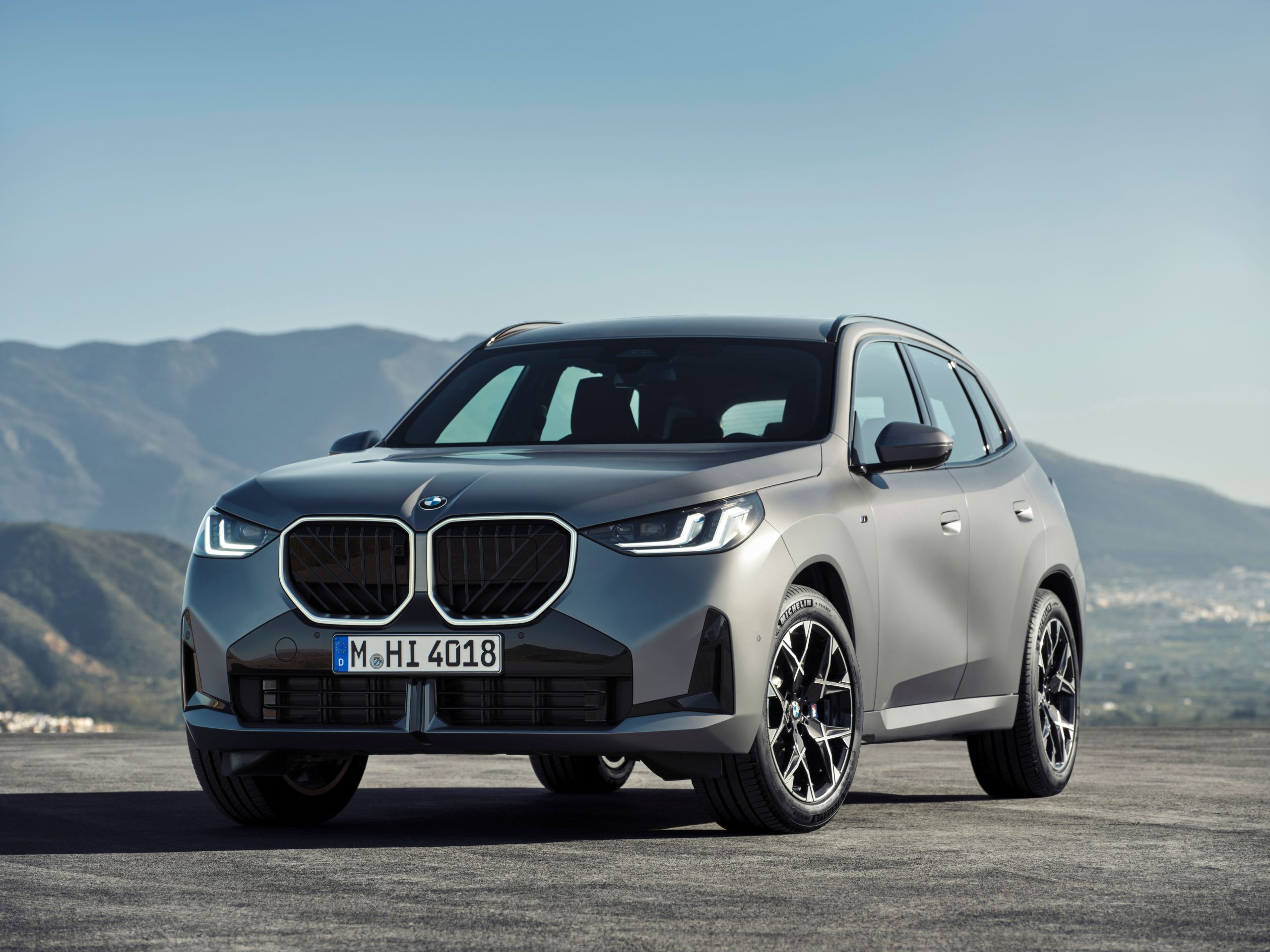
We compare the BMW X3 30e and the Mercedes-Benz GLC 300e, two premium plug-in hybrids with a CERO label, to find out which offers more electric range and better value for money in terms of price and equipment in 2026.
Two German brands, two approaches to plug-in hybridisation and one shared goal: to convince premium SUV buyers who don’t want to give up either the CERO label or the prestige of a badge with history. The BMW X3 30e and the Mercedes-Benz GLC 300e have been going head to head in Spanish dealerships for months, and the question we get asked most often is simple: with such similar prices, which one is the better deal?
There is no single answer. But there is data, and we are going to break it down point by point.
BMW X3 30e: price from ≈€67,300 and technical specifications
The G45 generation of the X3 has brought a thorough revision of the PHEV range, and the 30e xDrive is currently the reference plug-in variant within the Bavarian brand. It features a hybrid setup combining petrol with an electric motor, delivering a combined output of around 300 hp (≈220 kW). It is not a acceleration beast, nor does it aim to be: its appeal lies in moving with ease in pure electric mode during short journeys.
The homologated electric range is around 90 km, supported by a battery of ≈22.5 kWh. A combined consumption of ≈3 l/100 km and CO₂ emissions of ≈70 g/km complete a specification sheet that, in my view, prioritises efficiency over muscle.
| Model | Output (kW) | Output (CV) | Top speed | Electric range | Consumption | Battery | CO₂ emissions | Label | Fuel | Price from |
|---|---|---|---|---|---|---|---|---|---|---|
| BMW X3 30e xDrive | ≈220 kW | ≈300 CV | ≈220 km/h | ≈90 km | ≈3 l/100 km | ≈22.5 kWh | ≈70 g/km | CERO | Petrol/PHEV | ≈€67,300 |
Mercedes-Benz GLC 300e: price from ≈€67,800 and technical specifications
The GLC 300e takes a different approach. Its 2.0 turbo engine combined with the electric system delivers ≈310 CV (≈230 kW) and ≈550 Nm of torque, which you feel as soon as you press the accelerator: 0–100 km/h takes ≈6.5 seconds, a figure that does invite you to have some fun from time to time.
The ≈25 kWh battery—slightly larger than the X3’s—allows a homologated electric range of ≈130 km, a considerable leap over its rival. Combined consumption drops to ≈0.5 l/100 km and emissions stay at ≈10 g/km of CO₂, with a body ≈4,720 mm long and a weight of around ≈2,320 kg for its 5 seats.
| Model | Output (kW) | Output (CV) | Torque | 0–100 km/h | Top speed | Electric range | Consumption | Battery | CO₂ emissions | Label | Fuel | Price from |
|---|---|---|---|---|---|---|---|---|---|---|---|---|
| Mercedes-Benz GLC 300e | ≈230 kW | ≈310 CV | ≈550 Nm | ≈6.5 s | ≈220 km/h | ≈130 km | ≈0.5 l/100 km | ≈25 kWh | ≈10 g/km | CERO | PHEV | ≈€67,800 |
Electric range: BMW X3 30e vs. Mercedes GLC 300e
There is no contest here. The GLC 300e outperforms the X3 30e by 40 km of homologated electric range—130 km compared with 90 km—a difference that translates into more journeys completed without using the combustion engine in day-to-day driving. If your routine is the typical commute plus a few errands, the Mercedes will let you do almost the entire week in pure electric mode, charging overnight at home.
The X3 is not far behind, but it does sit a step lower in this particular area. For those who prioritise minimising trips to the petrol station, the GLC’s 25 kWh battery weighs more heavily in the decision than any other argument.
Power and performance: which is faster?
The Mercedes also wins on raw power—310 CV versus 300 CV—and, above all, in character: the 550 Nm of torque and the 0–100 time of 6.5 seconds make it feel more agile on overtaking, which is appreciated when passing on the open road. The X3, however, does not fall behind in everyday use, and its xDrive traction distribution makes up on slippery surfaces what it loses in pure acceleration.
Neither is a sports SUV in the strict sense. They are premium hybrids designed to be driven with authority, not to compete on a circuit.
CERO label and taxation in Spain
Both models homologate sufficient electric range to obtain the DGT’s CERO label, which translates into free access to low-emission zones and parking advantages in most of Spain’s large cities. It is worth remembering that, if the buyer opts for the current Plan Auto+, the final amount may vary considerably from the recommended retail price—we always recommend checking the plan’s official website for the up-to-date amount.
The prices we quote in this article are manufacturer’s recommended retail prices (RRP), without dealer discounts or special promotions, so the actual figure you pay may differ.
If you want to delve deeper into how to assess this type of powertrain before signing, our guide on how to choose a premium plug-in hybrid SUV in 2026 goes into detail about real-world electric range and running costs.
Summary comparison table and rating
| Model | Output (CV) | Electric range | Battery | Price from | Rating |
|---|---|---|---|---|---|
| BMW X3 30e xDrive | ≈300 CV | ≈90 km | ≈22.5 kWh | ≈€67,300 | 8.2/10 |
| Mercedes-Benz GLC 300e | ≈310 CV | ≈130 km | ≈25 kWh | ≈€67,800 | 8.6/10 |
The rating takes into account power, electric range, performance and value for money. The GLC takes the lead, but it is not a runaway win.
Which is the better buy in 2026?
In our view, the Mercedes GLC 300e comes out slightly ahead if your priority is maximising the kilometres in electric mode and enjoying more power on the motorway. The difference is just €500 in the indicative RRP, an amount that is outweighed by the extra 40 km of range and the additional 10 CV.
That said, the X3 30e has its audience. Anyone who values xDrive traction, the more sporty character of BMW, or simply prefers the X3’s styling, will not be making a bad choice. In practice, both fulfil the requirements of a premium compact SUV with a CERO label, and the final decision may end up depending as much on the nearest dealership as on the technical specifications.
For those who want to compare other alternatives in the segment before deciding, the ranking of plug-in hybrid SUVs with the longest electric range under €70,000 offers a broader view of the direct competition.
Frequently asked questions
Which premium plug-in hybrid SUV has more electric range, the BMW X3 30e or the Mercedes GLC 300e?
The Mercedes-Benz GLC 300e homologates ≈130 km of electric range compared with ≈90 km for the BMW X3 30e, thanks to a larger-capacity battery (≈25 kWh versus ≈22.5 kWh).
Which is more powerful, the BMW X3 30e or the Mercedes GLC 300e?
The GLC 300e delivers ≈310 CV (≈230 kW) versus ≈300 CV (≈220 kW) for the X3 30e, plus a 0–100 km/h time of ≈6.5 seconds compared with a figure not available in the BMW specifications.
Do both models have the DGT’s CERO label?
Yes. Both the BMW X3 30e and the Mercedes-Benz GLC 300e homologate sufficient electric range to obtain the CERO environmental label in Spain.
What is the indicative price of each model in Spain?
The BMW X3 30e starts from an indicative RRP of ≈€67,300, while the Mercedes GLC 300e is around ≈€67,800. Both figures are recommended retail prices without discounts or aid such as the Plan Auto+, so it is advisable to check with the dealership and the plan’s official website for the final amount.
Technical specifications of this car


 Peugeot E-208 GTi: a battery-powered toy that revives the spirit of the 1980s sports cars
 New Lexus ES: luxury grows and goes electric
 First contact with the Dacia Sandero Hybrid 155: power and efficiency from €19,890
Deja un comentario