Bosch could be building a self-driving car
 Mónica Redondo @MonicaRedondoD
6 February 2020
3 min.
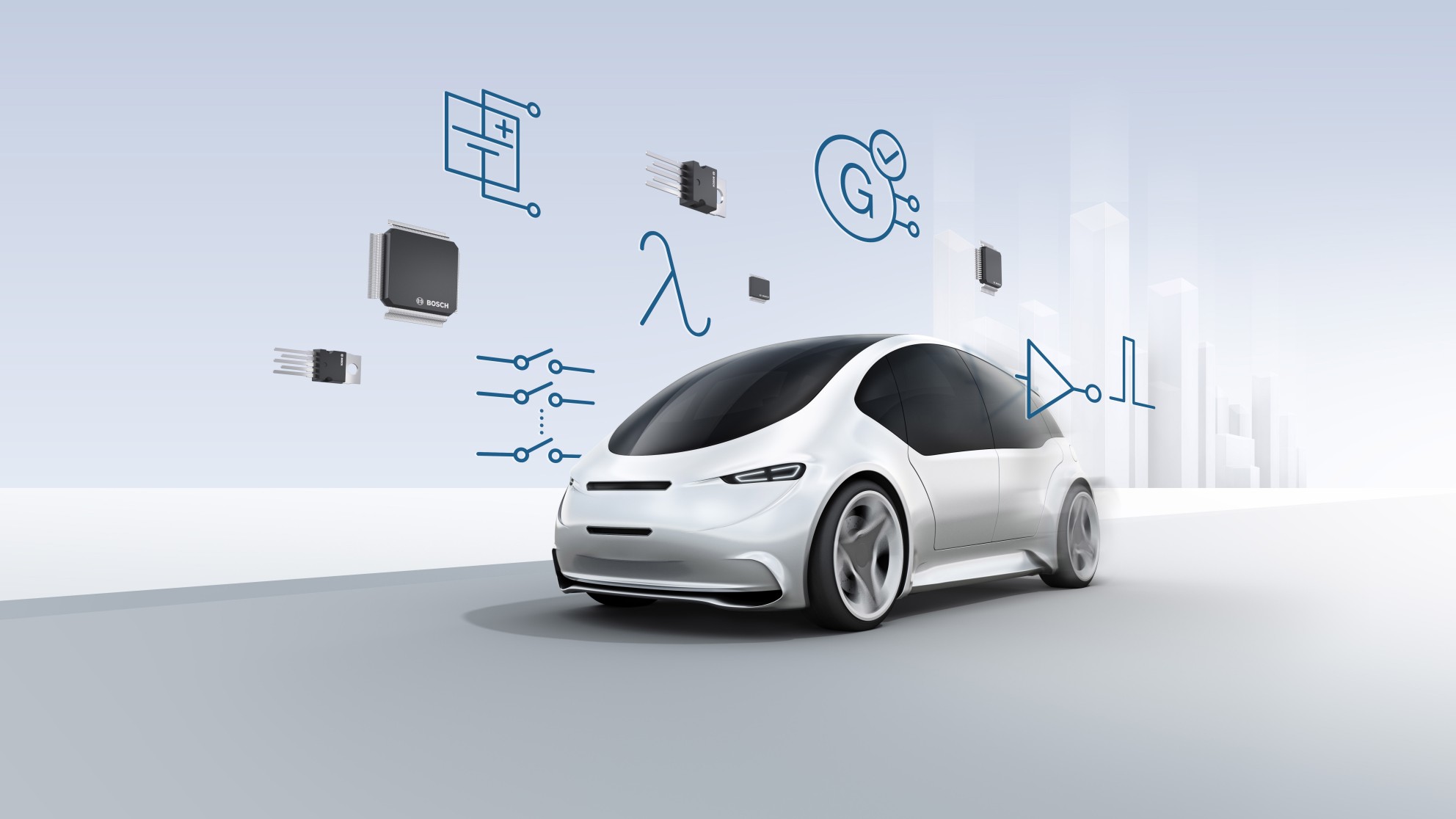
Bosch could launch a self-driving car onto the market, as it claims these vehicles could become the future of the automotive industry.
The technology and hardware are here, says technology giant Bosch, citing non-technical factors such as inconsistent regulations as the main obstacles.
Bosch blames the delay in the rollout of autonomous vehicles for creating a jungle of bureaucracy and a wave of consumer scepticism, rather than establishing the different limitations of the systems.
Kay Stepper, Senior Vice President of automated driving at the German supplier, has pointed to sources saying his engineers have already overcome the technological hurdles.
“We need to differentiate between technical and non-technical problems,” he explained at CES. “Right now we can honestly say, from the technology, hardware and software side, that we have what we need to deploy [autonomous technology] tomorrow. It is here. Yes, we still have a lot more testing and validation to do and more refinement to do, but we are there.”
Autonomous driving, a technology bet by Bosch
Despite this, there are no commercially available driverless vehicles in 2020.
“The main obstacles are non-technical, such as the regulatory framework in different regions,” Stepper said. “It is very different in Europe than in China or the US, and that will greatly affect the timing of implementation.” Stepper added that US lawmakers view the technology in a more favourable light than others.
Consumer acceptance is another obstacle that Bosch, its partners and its rivals must collectively overcome.
“I am excited about autonomous driving, and many of our customers are too, but not everyone is,” Stepper noted. “There is a good level of enthusiasm in parts of the population. Some find it hard to accept this as an everyday reality.”
Stepper believes autonomous vehicles will hit the road in 2025, but they won’t be omnipresent. He identified transport services and commercial transport as the most likely areas of application.
It will take a company longer to sell the public a car without a steering wheel or pedals. Stepper believes the industry will get there, but he stressed that Bosch’s goal is not to make driving illegal.
Furthermore, the German manufacturer wanted to add that “good things come in threes, and autonomous driving is no exception. Before safe and automated driving can become a reality, a third principle is needed: a sensor in addition to the camera and radar.”
Consequently, Bosch is preparing the production of long-range lidar sensors: the first lidar system (light detection and ranging) suitable for automotive use. This laser-based distance measurement technology is indispensable for driving functions at SAE levels 3 to 5. The new Bosch sensor will cover both long and short distances, on motorways and in the city.
By exploiting economies of scale, Bosch “wants to reduce the price of sophisticated technology and make it suitable for the mass market. By filling the sensor gap, Bosch is making automated driving a viable possibility in the first place. Only the parallel deployment of three sensor principles ensures that automated driving will offer maximum safety when implemented.”


 Peugeot E-208 GTi: a battery-powered toy that revives the spirit of the 1980s sports cars
 New Lexus ES: luxury grows and goes electric
 First contact with the Dacia Sandero Hybrid 155: power and efficiency from €19,890
Deja un comentario