BYD Sealion 06 Electric Cars SUV
BYD launches the second-generation Sealion 06 in the Chinese market
 Javier Cantagalli
25 July 2025
3 min.
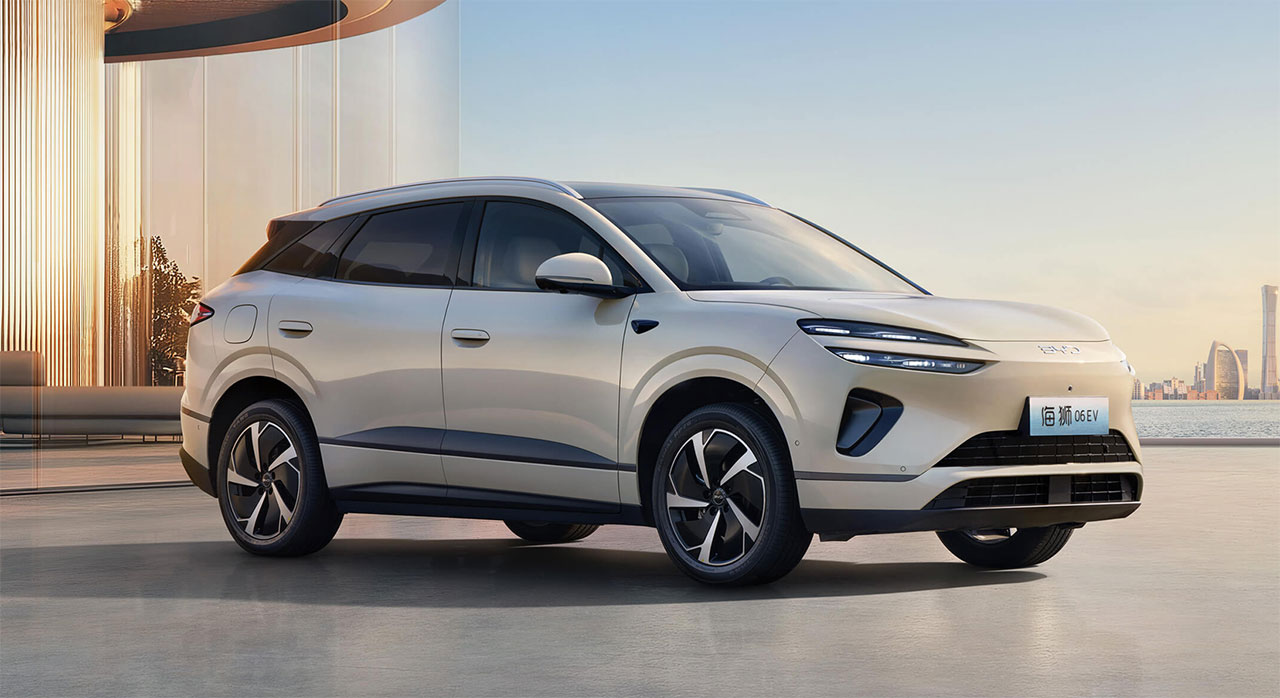
With this launch, BYD reaffirms its commitment to innovation and sustainable mobility, consolidating its position as a leader in the Chinese electric vehicle market.
BYD has just unveiled in China the second generation of its mid-size SUV, the Sealion 06. A model that combines elegance and versatility, available both as a fully electric and as a plug-in hybrid. Based on the brand’s e-platform 3.0 evo, the new Sealion 06 replaces the original 2020 model, which was initially offered only with a combustion engine and, since 2021, also as an electric and plug-in hybrid.
In the Chinese market, the second-generation electric Sealion 06 will go on sale at a starting price of around 139,800 yuan, which works out to roughly 16,500 euros at current exchange rates. It is therefore a fairly affordable vehicle, and its sales volume is expected to be very high.
BYD first showed the second-generation Sealion 06 to the public last April at the Shanghai Auto Show. Compared with its predecessor, this new model looks more sophisticated, and stands out for its split headlights, the air curtains integrated into the bumper, and a rear light bar that spans the full width of the vehicle. At 4.81 metres long, it has grown three centimetres compared with the previous model, while keeping a width of 1.92 metres and a height of 1.67 metres. On the scales, its weight ranges between 1.9 and 2.2 tonnes, depending on the configuration chosen.
The BYD SUV that many were waiting for
The interior of the Sealion 06 stands out for its spaciousness and comfort. The boot offers 757 litres with the rear seats in their normal position, expandable to 1,630 litres when they are folded, plus a 142-litre front boot. It also features a large panoramic roof and heated and ventilated seats, offering a driving experience somewhat more premium than many of its rivals in the same segment.
In its electric version, the Sealion 06 is available in three configurations. The base version uses a single motor on the rear axle producing 170 kW, while the mid-range version raises output to 180 kW. An all-wheel-drive version is also offered, combining a front motor with a rear one to deliver a combined output of 310 kW.
In terms of energy storage, it is equipped with BYD’s acclaimed Blade batteries using LFP chemistry, available in capacities of 65.3 or 78.7 kWh. The Chinese manufacturer promises, in this way, a range of between 520 and 605 km under the Chinese CLTC homologation cycle, depending on the version and the battery pack chosen.
Unusually long electric range for the plug-in hybrid versions
The plug-in hybrid versions, for their part, incorporate 26.6 kWh batteries, offering a notable electric range of 170 kilometres. Combined with the combustion engine, they reach a surprising total range of up to 1,670 kilometres, thus allowing drivers to enjoy the best of both worlds: a huge range that removes the need to look for a charging point, together with the efficiency of pure electric vehicles on short and medium-distance journeys.
In Europe, BYD sells a similar model, the Seal U, which will probably be replaced in the near future by a version of the new Sealion 06 adapted to the European market. It remains to be seen, however, what its retail price will be given the tariffs currently in force in the European Union on electric vehicles imported from China. There is a possibility, nevertheless, that BYD will choose to produce this new model at its new European plant located in Hungary, in order to maintain its price competitiveness.
 The seven finalists for the 2027 European Car of the Year (COTY) are exclusively electric
 Peugeot E-208 GTi: a battery-powered toy that revives the spirit of the 1980s sports cars
 New Lexus ES: luxury grows and goes electric
Deja un comentario