Genesis delays its goal of launching exclusively electric models to market
 Javier Cantagalli
6 December 2024
3 min.
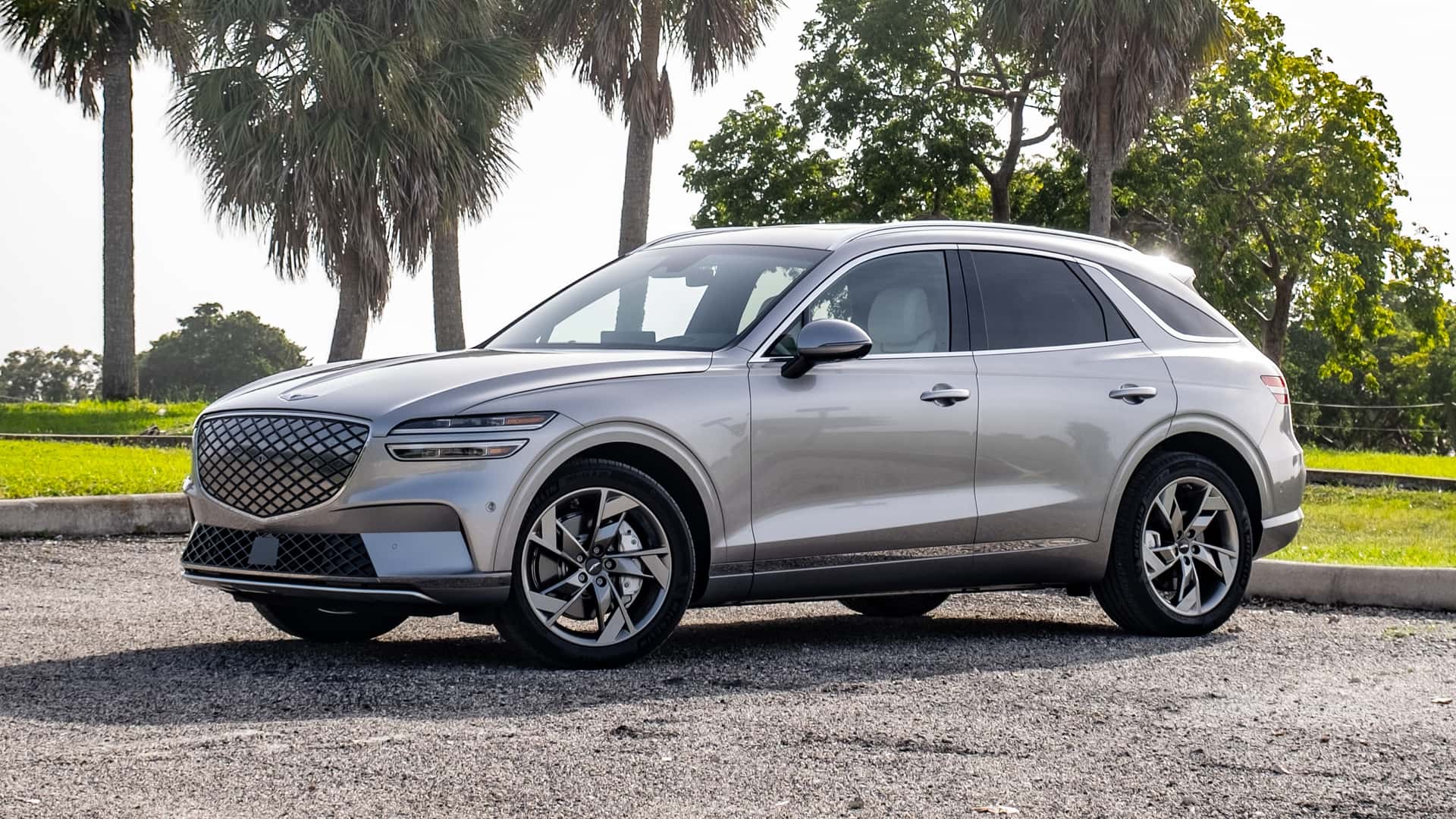
Launching range-extender versions to the market is a strategy that other manufacturers are also considering, especially in light of the slowdown in the adoption of pure electric vehicles compared with what had been projected.
The luxury vehicle brand Hyundai Motor has decided to reverse its original strategy of launching only electric vehicles from 2025 and becoming an exclusively electric brand by 2030. Instead of pressing ahead with this plan, Genesis plans to introduce hybrid powertrains across most of its models with combustion engines starting next year. Subsequently, rather than moving straight to fully electric vehicles, the brand will focus on range-extender vehicles, an option it expects to be very well received in some markets such as North America.
At an investor event, Jaehoon Chang, the current head of Hyundai Motor, announced that, as of today, range-extender electric vehicles, popularly known as EREVs, are considered by the environmental standards in force in North America to be practically equivalent to pure electric vehicles.
According to South Korean media, Genesis will begin production of a range-extender version of the GV70 at the end of 2026, with the aim of making the first deliveries in the United States in early 2027. The hybrid version of the GV70 will arrive first, probably next year, followed by the EREV, thus making the GV70 the first Genesis model to offer combustion, hybrid, range-extender and fully electric variants.
The GV70 for the American market is currently manufactured at the Hyundai plant in Alabama, but the range-extender version will be produced at the Georgia plant, where the IONIQ 5 and IONIQ 9 are already assembled. Although Hyundai had previously announced that this facility would produce hybrids, it now seems that the company was actually referring to electric models with range extenders.
The range offered by EREV models is their major appeal
Although the concrete specifications of the future EREV version of the GV70 are still unknown, the company has explained in general terms that this type of vehicle, despite equipping a smaller battery, will offer a combined range superior to that of pure electric versions, thanks to the support of the combustion engine. The South Korean manufacturer hopes to offer at least 900 km of range in its electric models with range extenders, which will be sold not only in North America but also in China. In the case of Europe, however, it is unclear whether these versions will also reach our market.
As we have been telling you here at HighMotor over the last few months, range-extender electric vehicles are becoming increasingly popular in the Chinese market, and now this trend looks set to spread to other markets such as North America. More and more manufacturers are showing their intention to offer a wide range of versions of the same model with different propulsion systems, so that the customer can choose whichever suits them best.


 The seven finalists for the 2027 European Car of the Year (COTY) are exclusively electric
 Peugeot E-208 GTi: a battery-powered toy that revives the spirit of the 1980s sports cars
 New Lexus ES: luxury grows and goes electric
Deja un comentario