Honda CR-V 1.6 i-DTEC tested (exterior design, interior and boot)
 Leo Montiel @lemonti
12 April 2014
5 min.

After analysing the performance, handling and fuel consumption of the 120 hp Honda CR-V 1.6 i-DTEC, this second instalment of our test focuses on the design, both exterior and interior, as well as the comfort the CR-V offers its occupants
In the second part of the test we will analyse the main features of the Honda CR-V in terms of exterior and interior design, as well as boot capacity and other important ergonomic aspects. Without further ado, let’s go through these elements of the Honda CR-V 1.6 i-DTEC we have put to the test.
Exterior design
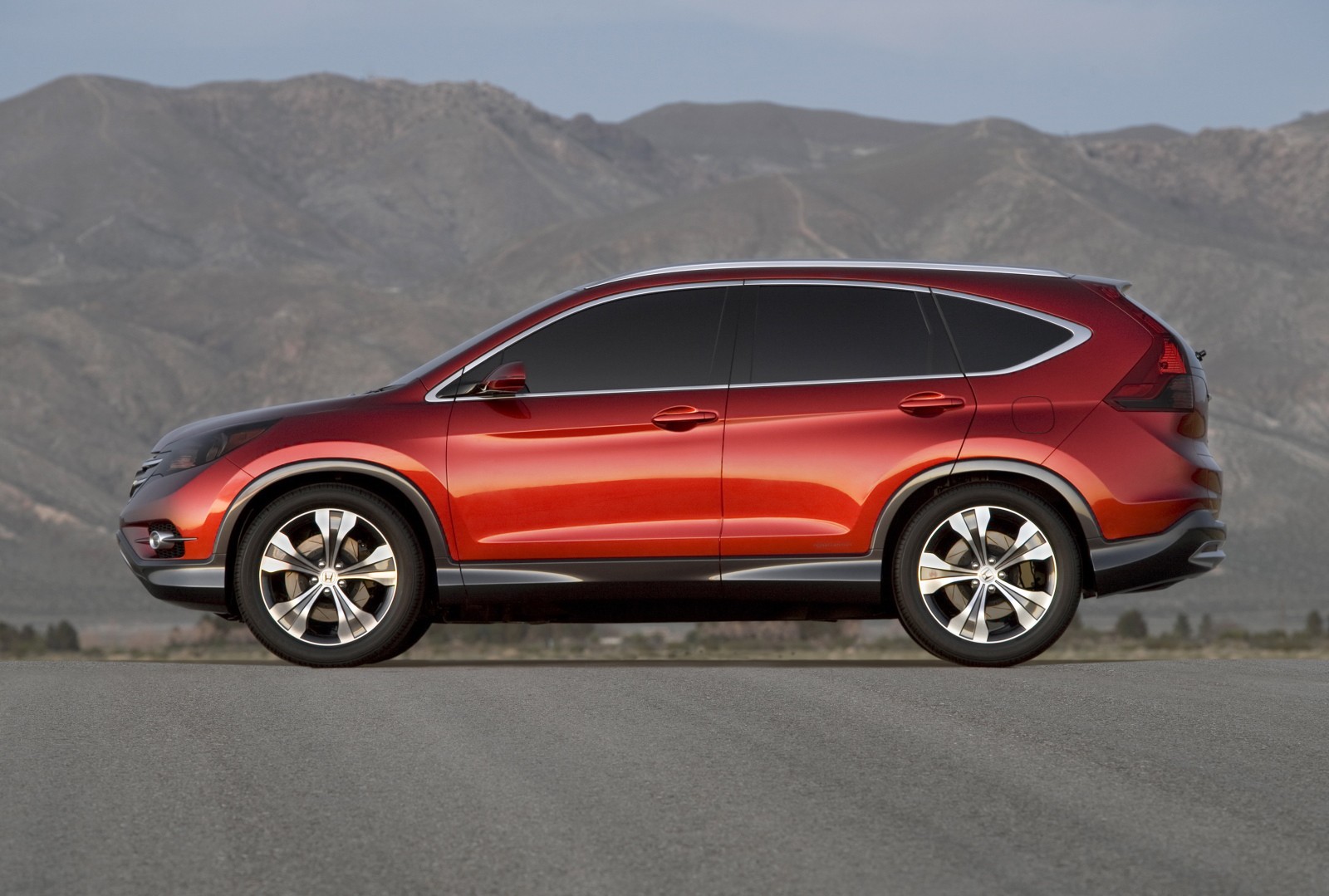
At first glance, the CR-V looks like an SUV with plenty of personality, a design that is at times bold, yet practical, unapologetic and contemporary. The front is the most elaborate area of the whole, with a tall nose dominated by the central grille with three horizontal bars and the Honda logo, reinterpreting cues already present on the previous CR-V.
This central grille, with a somewhat hexagonal shape, contrasts with the lines of the bumper air intake, giving this area a braced, solid look. The central grille blends into the headlights, a detail that gives the front great fluidity, while the headlights look very well integrated into the bodywork.
The height of the nose, the position of the headlights, and a bonnet with a pair of creases lend considerable strength to the front section, hinting at the CR-V’s extra capabilities off the tarmac, referring of course to versions with all-wheel drive.
A key point worth mentioning is that this fourth generation of the Honda CR-V is more compact in terms of overall dimensions, reinforcing the brand’s philosophy of ‘maximum driver, minimum machine’, another way of approaching downsizing. Furthermore, the production model is truly faithful to the concept, as can be seen in the images.

This has allowed the CR-V to present a sculpted, balanced and, above all, functional profile, since the exterior design contributes both to the product’s image and to aerodynamics, benefiting efficiency, all the more so in the case of the Honda CR-V 1.6 i-DTEC 120 hp in this test.
A agile profile, with a generous glazed surface, shows a harmonious integration between the front and the A-pillar; from there to the rear it connects through a rather straight roof. The rear is an area that perhaps shows the CR-V’s signature feature, a reinterpretation of vertical elevated lights.
The emphasis placed by Honda in this section is evident, with lights that sculpt the D-pillar and frame the side window of the boot area. We also see how the rear window has a protruding shape that gives the new CR-V a distinctive touch.
The rear bumper, which combines black plastic and body colour, adds strength and a sense of robustness, another of the Honda CR-V’s attributes per se. The black plastic underbody protection and the roof bars complete the rugged look. A versatile and practical vehicle that conveys this through its design.
Interior design

When we climb aboard the Honda CR-V we find a comfortable cabin, with a complete yet at the same time simple design, with all the elements clear and within reach of driver and front passenger, everything needed to travel with comfort and safety.
An aspect we mentioned in the first part of the test is the gear lever position: raised, with a short shaft and a knob that offers a good grip. The steering wheel, of perfect size, reinforces the sense of security at the controls of the Honda CR-V; the driving position is genuinely comfortable.
The instrumentation is clear, and so are the controls on the steering wheel, while visibility is excellent, particularly the large side mirrors, which are very useful for monitoring the sides of the CR-V. The windscreen is also of adequate size; overall, visibility is more than adequate.

We should also mention the on-board computer screen on the dashboard, which at times can seem a little small, while the clarity of the navigation screen can be affected by light entering the cabin; these are two points open to improvement, but they do not significantly affect the overall impression.
On the other hand, we have front seats that also have simple, straight lines, offering adequate comfort. They are very firm and, in the driver’s case, offer little lateral support. On interurban journeys they fulfil their role, but it would be ideal to test them on longer trips.
The flat floor together with simple lines makes the interior look uncluttered and, above all, comfortable, especially for passengers in the rear seats, who have generous legroom, shoulder room and headroom. Overall, the perceived quality matches quite well what the brand offers.
Living space and boot

Other aspects that complete the experience on board the Honda CR-V 1.6 i-DTEC are the storage spaces for objects, such as the door pockets and the two cup holders for the front seats, and a boot with 589 litres of capacity, ideal for the family.
These nearly 600 litres of load capacity can be expanded to 1,146 litres if we fold down the second row of seats, something that can be done with a ‘One Motion’ gesture by pulling the handles located in the boot itself; the rear bench folds in a 60/40 split.

<<
Honda CR-V 1.6 i-DTEC tested (exterior design, interior and boot)
<<
After analysing the performance, handling and fuel consumption of the 120 hp Honda CR-V 1.6 i-DTEC, this second instalment of our test focuses on the design, both exterior and interior, as well as the comfort the CR-V offers its occupants
<<
In the second part of the test we will analyse the main features of the Honda CR-V in terms of exterior and interior design, as well as boot capacity and other important ergonomic aspects. Without further ado, let’s go through these elements of the Honda CR-V 1.6 i-DTEC we have put to the test.
Exterior design
At first glance, the CR-V looks like an SUV with plenty of personality, a design that is at times bold, yet practical, unapologetic and contemporary. The front is the most elaborate area of the whole, with a tall nose dominated by the central grille with three horizontal bars and the Honda logo, reinterpreting cues already present on the previous CR-V.
This central grille, with a somewhat hexagonal shape, contrasts with the lines of the bumper air intake, giving this area a braced, solid look. The central grille blends into the headlights, a detail that gives the front great fluidity, while the headlights look very well integrated into the bodywork.
The height of the nose, the position of the headlights, and a bonnet with a pair of creases lend considerable strength to the front section, hinting at the CR-V’s extra capabilities off the tarmac, referring of course to versions with all-wheel drive.
A key point worth mentioning is that this fourth generation of the Honda CR-V is more compact in terms of overall dimensions, reinforcing the brand’s philosophy of ‘maximum driver, minimum machine’, another way of approaching downsizing. Furthermore, the production model is truly faithful to the concept, as can be seen in the images.
This has allowed the CR-V to present a sculpted, balanced and, above all, functional profile, since the exterior design contributes both to the product’s image and to aerodynamics, benefiting efficiency, all the more so in the case of the Honda CR-V 1.6 i-DTEC 120 hp in this test.
A agile profile, with a generous glazed surface, shows a harmonious integration between the front and the A-pillar; from there to the rear it connects through a rather straight roof. The rear is an area that perhaps shows the CR-V’s signature feature, a reinterpretation of vertical elevated lights.
The emphasis placed by Honda in this section is evident, with lights that sculpt the D-pillar and frame the side window of the boot area. We also see how the rear window has a protruding shape that gives the new CR-V a distinctive touch.
The rear bumper, which combines black plastic and body colour, adds strength and a sense of robustness, another of the Honda CR-V’s attributes per se. The black plastic underbody protection and the roof bars complete the rugged look. A versatile and practical vehicle that conveys this through its design.
Interior design
When we climb aboard the Honda CR-V we find a comfortable cabin, with a complete yet at the same time simple design, with all the elements clear and within reach of driver and front passenger, everything needed to travel with comfort and safety.
An aspect we mentioned in the first part of the test is the gear lever position: raised, with a short shaft and a knob that offers a good grip. The steering wheel, of perfect size, reinforces the sense of security at the controls of the Honda CR-V; the driving position is genuinely comfortable.
The instrumentation is clear, and so are the controls on the steering wheel, while visibility is excellent, particularly the large side mirrors, which are very useful for monitoring the sides of the CR-V. The windscreen is also of adequate size; overall, visibility is more than adequate.
We should also mention the on-board computer screen on the dashboard, which at times can seem a little small, while the clarity of the navigation screen can be affected by light entering the cabin; these are two points open to improvement, but they do not significantly affect the overall impression.
On the other hand, we have front seats that also have simple, straight lines, offering adequate comfort. They are very firm and, in the driver’s case, offer little lateral support. On interurban journeys they fulfil their role, but it would be ideal to test them on longer trips.
The flat floor together with simple lines makes the interior look uncluttered and, above all, comfortable, especially for passengers in the rear seats, who have generous legroom, shoulder room and headroom. Overall, the perceived quality matches quite well what the brand offers.
Living space and boot
Other aspects that complete the experience on board the Honda CR-V 1.6 i-DTEC are the storage spaces for objects, such as the door pockets and the two cup holders for the front seats, and a boot with 589 litres of capacity, ideal for the family.
These nearly 600 litres of load capacity can be expanded to 1,146 litres if we fold down the second row of seats, something that can be done with a ‘One Motion’ gesture by pulling the handles located in the boot itself; the rear bench folds in a 60/40 split.
Technical specifications of this car


 Peugeot E-208 GTi: a battery-powered toy that revives the spirit of the 1980s sports cars
 New Lexus ES: luxury grows and goes electric
 First contact with the Dacia Sandero Hybrid 155: power and efficiency from €19,890
Deja un comentario