Corolla Cupra Dacia Duster Formentor Hyundai Kona Octavia Skoda Toyota Electric Cars Hybrid Cars Compact Comparisons SUV
How to choose a car for under 40,000 euros in 2026: powertrain, equipment and total cost of ownership
 Iván Navarro
30 September 2026
7 min.
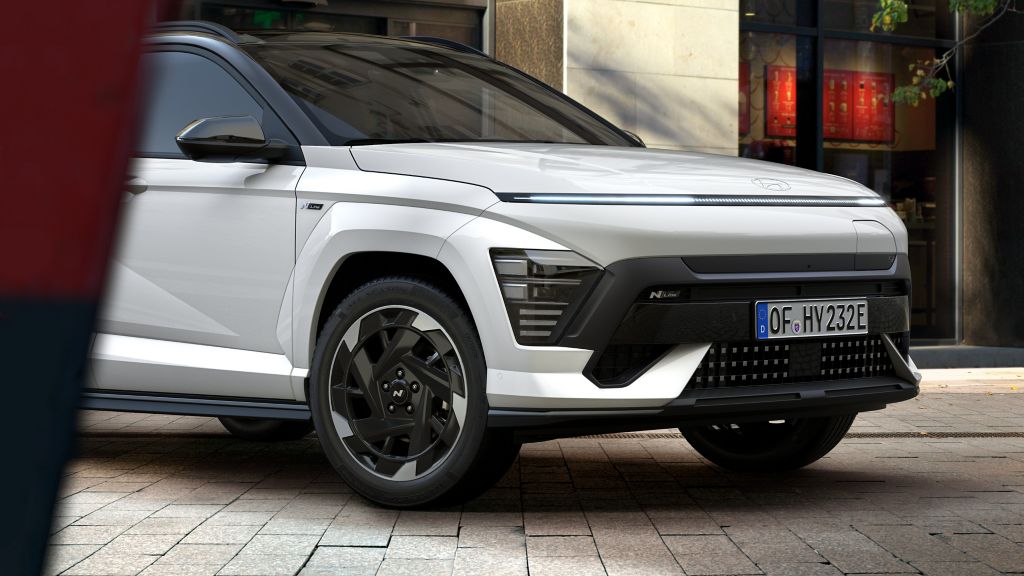
Practical guide to choosing a car for under 40,000 euros in 2026: powertrain by use, mandatory GSR2 equipment and total five-year cost. Specific models on sale in Spain.
Forty thousand euros no longer buys what it bought five years ago, and yet it remains the psychological threshold for the average Spanish buyer who wants a respectable new car. In 2026 the problem is not a lack of options — there are plenty — but sorting out three variables that overlap: which powertrain fits your real use, what equipment you should demand after the GSR2 regulation came into force, and how much the car will actually cost you once you stop looking at the price tag and start adding up five years of ownership.
From the initial list of candidates we have ruled out two names. The Nissan Qashqai and the BYD options are excluded from this analysis because, in our view, there are alternatives in the same price bracket that offer a more rounded package of equipment, range and perceived quality for an equivalent outlay. This is not a verdict on the products themselves; it is an editorial decision to focus on the ones we consider most competitive.
The 40,000-euro budget in 2026: what it buys today and what it bought five years ago
With the segment’s cumulative inflation — a little over 18% between 2020 and 2025 according to European market data — this spending ceiling has become the new threshold for a well-equipped compact or an entry-level mid-size SUV. Previously it was enough for a Golf GTI. Today, it covers a decent Golf eTSI or a Chinese hybrid SUV with all equipment as standard.
Powertrain by use: urban, long-distance or mixed
This is where most people go wrong. In 2026 the hybrid or electric powertrain is not a fashion: it is an arithmetical decision that depends on annual mileage, type of journey and access to charging.
Pure urban use (under 15,000 km/year, city and metropolitan area)
Electric if you have a plug at home or at work. Full stop. The CERO label gives access to ZBE zones, real-world consumption is around 15 kWh/100 km, and domestic charging costs a fraction of what you pay in petrol. Without a plug, a hybrid performs admirably in traffic jams.
Long-distance use (over 25,000 km/year, regular motorway driving)
Here the electric option starts to falter unless you buy at the upper end of the budget. A well-resolved conventional hybrid — Toyota has been refining it for twenty years — or even a modern diesel still make economic sense. A PHEV only pays off if you plug it in religiously.
Mixed use (15,000–25,000 km/year)
The natural territory of the PHEV with more than 80 km of real electric range, or of the hybrid if the initial outlay weighs more than the cost per kilometre.
Minimum equipment required after GSR2
Since July 2024 every new car approved in the EU must fit the safety systems battery required by the General Safety Regulation 2. In 2026 there is no excuse for settling for the legal minimum.
What comes as standard and should not be celebrated as an extra
Autonomous emergency braking with pedestrian detection, lane departure warning, traffic sign recognition, driver drowsiness detector, event data recorder and intelligent speed assistance (ISA). All mandatory.
What does make a difference and should be demanded
A good level 2 ADAS package — adaptive cruise control with active lane centring — transforms long journeys. So do a 360° camera, a head-up display and dual-zone climate control with rear vents. A well-resolved ADAS package is the difference between arriving tired or rested.
Total cost of ownership over five years: the sum almost nobody does
Purchase price minus aid and discounts, plus insurance (fully comprehensive for the first couple of years), plus official maintenance, plus real consumption at current energy prices, minus estimated residual value at 60 months. That is the formula. On paper, an electric car with the Plan Auto+ and domestic charging works out between 20% and 30% cheaper to run than an equivalent petrol model. In practice, it depends on how much you charge at fast chargers.
Eight candidates that do enter the analysis
Toyota Corolla — from 25,450 €
The hybrid that continues to set the standard. Real consumption below 5 l/100 km, reliability proven across millions of units and an after-sales network that does not let you down. Sober interior, perhaps too sober, but efficient to the point of boredom — and in a car you will keep for five years, that is a virtue.
| Power | WLTP consumption | Label | Fuel |
|---|---|---|---|
| 103 kW / 140 CV | 4.5 l/100 km | ECO | Hybrid |
Hyundai Kona Electric — from 37,345 €
The most balanced CERO option in the SUV-B segment. 65 kWh usable battery, WLTP range above 500 km and an eight-year battery warranty. The interior has taken a notable step forward compared with the previous generation.
| Power | WLTP range | Consumption | Label | Fuel |
|---|---|---|---|---|
| 150 kW / 204 CV | 510 km | 14.7 kWh/100 km | CERO | Electric |
Kia EV4 — from 37,953 €
The electric compact that Kia has built to take on the Model 3 in its entry bracket. E-GMP platform, 400 V fast charging with a stable curve and a design that polarises — I find it convincing, although I understand not everyone will.
| Power | WLTP range | Label | Fuel |
|---|---|---|---|
| 150 kW / 204 CV | Up to 633 km | CERO | Electric |
Cupra Formentor — from 34,542 €
For those who do not want to give up dynamic character. The 1.5 eTSI mild-hybrid version earns the ECO label and the 2.0 TSI adds the passionate touch. Interior with its own personality within the VAG group.
| Power | WLTP consumption | Label | Fuel |
|---|---|---|---|
| 110 kW / 150 CV | 5.9 l/100 km | ECO | Mild hybrid |
Skoda Octavia — from 34,841 €
The rational car par excellence. 600-litre boot, restrained consumption and an equipment-to-price ratio that remains the Czech benchmark. No fireworks; all common sense.
| Power | WLTP consumption | Label | Fuel |
|---|---|---|---|
| 85 kW / 115 CV | 4.9 l/100 km | ECO | Mild hybrid |
Peugeot 3008 — from 38,400 €
The new 3008, now on the STLA Medium platform, offers hybrid and electric versions in the same body. The interior with the panoramic i-Cockpit is among the most accomplished in the segment — it feels a step above its predecessor.
| Power | WLTP consumption | Label | Fuel |
|---|---|---|---|
| 107 kW / 145 CV | 5.6 l/100 km | ECO | Mild hybrid |
Dacia Duster — from 19,590 €
The value-for-money lesson of the market. With 20,000 euros of headroom above the budget ceiling, you can have the top trim, extras and still have money left for five years of insurance. Less refined, yes, but honest.
| Power | WLTP consumption | Label | Fuel |
|---|---|---|---|
| 74 kW / 100 CV | 5.7 l/100 km | ECO | LPG Eco-G |
Geely E5 — from 37,490 €
The Chinese challenger aiming to break the barrier. Electric SUV-C with 430 km WLTP, lavish standard equipment and a competitive warranty. We already analysed it in its first contact to get a sense of the brand’s direction in Spain.
| Power | WLTP range | Label | Fuel |
|---|---|---|---|
| 160 kW / 218 CV | 430 km | CERO | Electric |
Final comparison and editorial score
| Model | Price from | Powertrain | Ideal use | Score /10 |
|---|---|---|---|---|
| Toyota Corolla | 25,450 € | Hybrid | Long-distance/Mixed | 9.0 |
| Hyundai Kona Electric | 37,345 € | Electric | Urban/Mixed | 8.7 |
| Kia EV4 | 37,953 € | Electric | Mixed | 8.5 |
| Cupra Formentor | 34,542 € | Mild hybrid | Mixed | 8.2 |
| Skoda Octavia | 34,841 € | Mild hybrid | Long-distance | 8.6 |
| Peugeot 3008 | 38,400 € | Mild hybrid | Mixed | 8.4 |
| Dacia Duster | 19,590 € | LPG Eco-G | Mixed | 8.3 |
| Geely E5 | 37,490 € | Electric | Urban/Mixed | 8.4 |
Frequently asked questions
What car should I buy for 40,000 euros in 2026 if I do a lot of motorway miles?
A Toyota Corolla hybrid or an Skoda Octavia with eTSI engine are the most rational bets. Real consumption below 5.5 l/100 km, a wide after-sales network and solid residual value at five years.
Does an electric car under 40,000 euros make sense if I don’t have a garage?
Only if you have access to charging at work or to a nearby public point at a modest price. Regularly charging at public fast chargers erodes much of the saving compared with a hybrid.
What public aid is available for buying in 2026?
The current framework is the Plan Auto+, which replaces the previous programme. Amounts and conditions are updated periodically, so it is worth checking the official website before closing the deal.
Is it mandatory for a new car to include the GSR2 package in 2026?
Yes. Every vehicle approved in the EU since July 2024 incorporates the full battery of active safety systems required by the regulation, including ISA, autonomous emergency braking with pedestrian detection and event data recorder.
Technical specifications of the cars in this article

 Kia offers an electric range of 10 models, 50 versions and 400 possible combinations
 The seven finalists for the 2027 European Car of the Year (COTY) are exclusively electric
 Peugeot E-208 GTi: a battery-powered toy that revives the spirit of the 1980s sports cars
Deja un comentario