C-HR Captur Dacia Duster Hyundai KIA Kona Niro Renault Toyota Hybrid Cars Buying Guides SUV
How to Choose a Hybrid SUV for Under €30,000 in 2026: Real-World Consumption, Equipment and Running Costs
 Iván Navarro
27 November 2026
6 min.
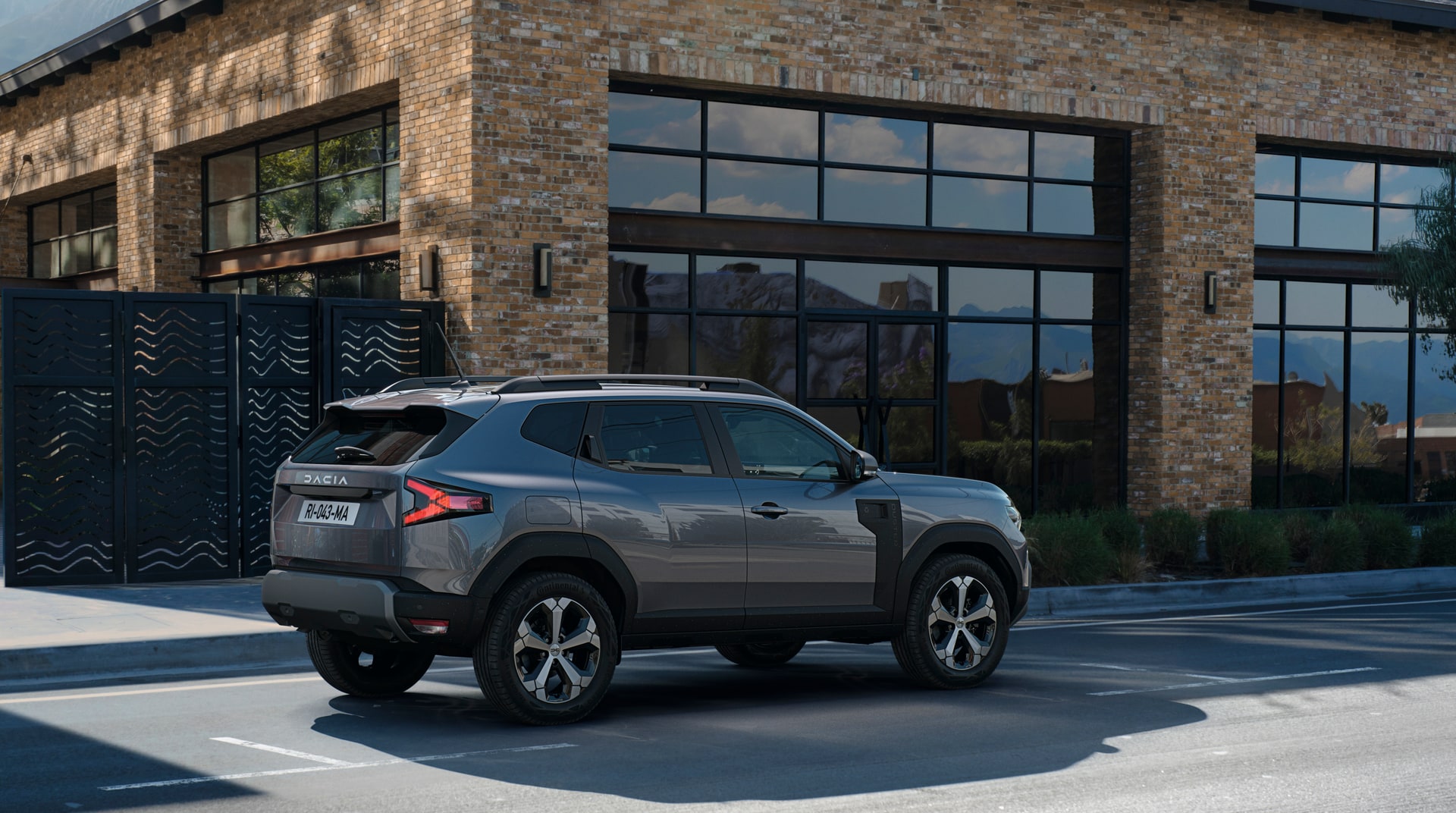
A practical guide to choosing the best hybrid SUV for under €30,000 in 2026, with a comparison of real-world consumption, ADAS and running costs across nine models on sale in Spain.
Buying a hybrid SUV for under €30,000 in 2026 is no longer an exercise in compromise. Five years ago you had to choose between fuel economy and space, or between equipment and price. Today the Spanish market offers very serious proposals in that budget, each with a distinct character, and the decision depends more on understanding what you need than on searching for the “best” one in the abstract. Let’s get to it.
What to check before signing: real consumption, ADAS, running costs and warranty
Real-world consumption versus official consumption
The WLTP cycle is useful for comparison, but it does not predict your petrol bill. In town, a conventional hybrid well managed can easily drop below 5 l/100 km; on the motorway at 120 km/h, that figure rises quickly because the electric motor provides little assistance. In our view, the gap between the spec-sheet figure and real consumption in mixed Spanish use is around 10-15% in the best cases, and it can widen further on long motorway journeys.
ADAS equipment that is actually used
Not all driver assistance systems are equal or used in the same way. Autonomous emergency braking and forward collision warning are practically standard in this segment, but adaptive cruise control with stop&go, blind-spot warning and 360° cameras still mark differences in trim level between versions. It is worth checking whether they come as standard on the entry trim or are reserved for the top range, because that is where surprises appear in the final price.
Five-year running costs
Insurance, maintenance, tyres, depreciation and fuel: that is the calculation that really matters, not just the sticker price. Non-plug-in hybrids have the advantage of not depending on charging infrastructure and of moderate maintenance costs, as brake and clutch wear is reduced. That said, bear in mind that the state aid under the Plan Auto+ is reserved exclusively for vehicles with the CERO label (pure electric and plug-in hybrids with more than 40 km of electric range), so conventional hybrids with the ECO label fall outside these subsidies.
Warranty and reliability, the factor that does not appear on the spec sheet
Here the differences are notable. Some brands offer 7 years or 150,000 km of extended warranty under certain maintenance conditions, while others stop at the standard 3 years. For a car you will probably keep for more than a decade, that factor weighs as much as fuel consumption.
The most interesting hybrid SUVs for under €30,000 in 2026
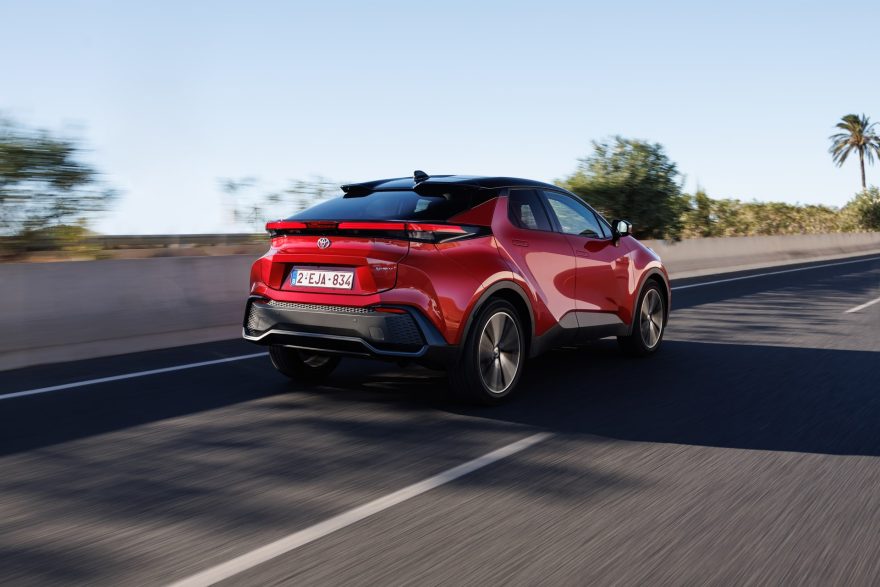
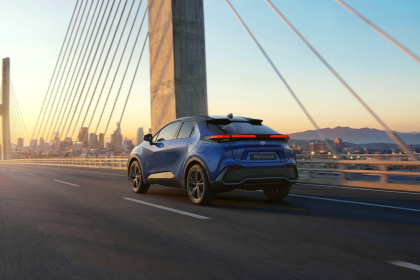
Toyota C-HR, from €29,200
The C-HR remains the benchmark for hybrid reliability, with a design that has aged better than that of many rivals. It is one of the most expensive in the group, but also the one that gives the fewest surprises in the long term.
| Power (kW) | Power (CV) | Consumption | Label | Fuel |
|---|---|---|---|---|
| 103 | 140 | 4.7 l/100 km | ECO | Hybrid |
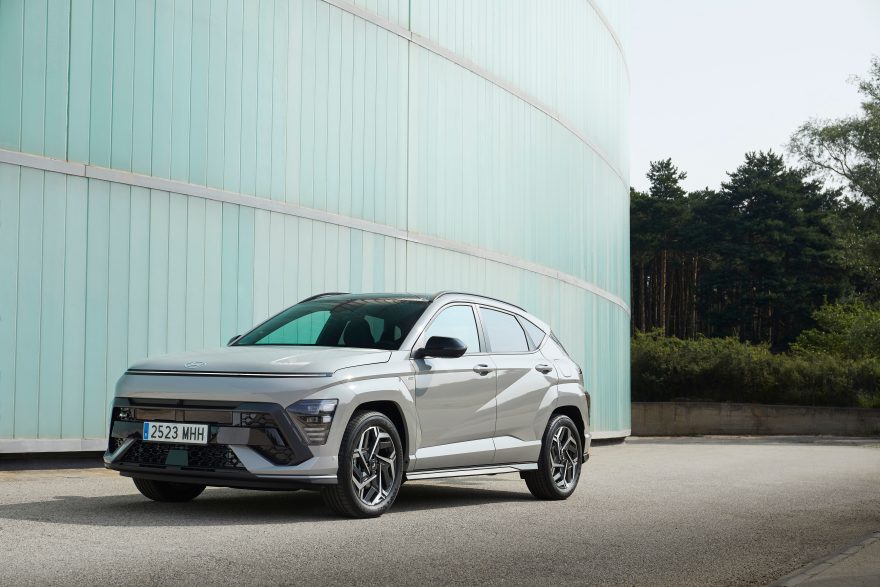
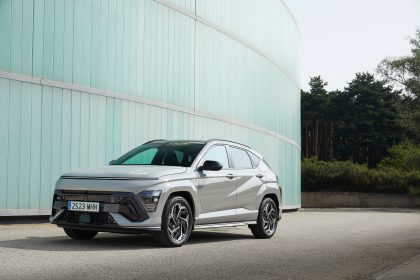
Hyundai Kona HEV, from €26,600
More interior space than its silhouette suggests, and a very refined hybrid system for getting around town smoothly.
| Power (kW) | Power (CV) | Consumption | Label | Fuel |
|---|---|---|---|---|
| 101.5 | 138 | 4.5 l/100 km | ECO | Hybrid |
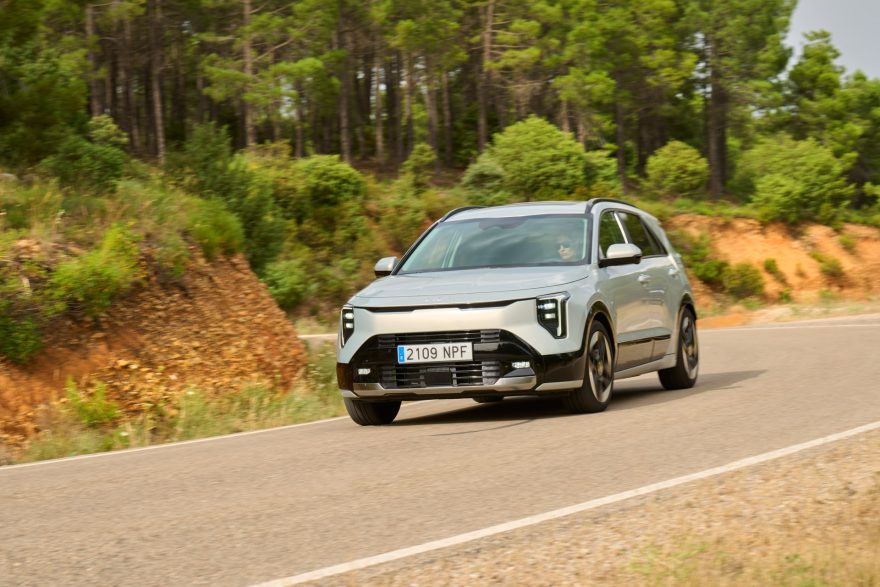
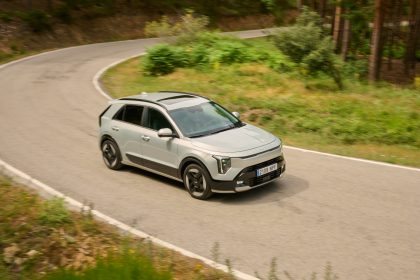
Kia Niro HEV, from €24,707
It shares its technical base with the Kona but opts for a more practical boot and an interior finish that, to my taste, is somewhat more carefully done.
| Power (kW) | Power (CV) | Consumption | Label | Fuel |
|---|---|---|---|---|
| 101.5 | 138 | 4.5 l/100 km | ECO | Hybrid |
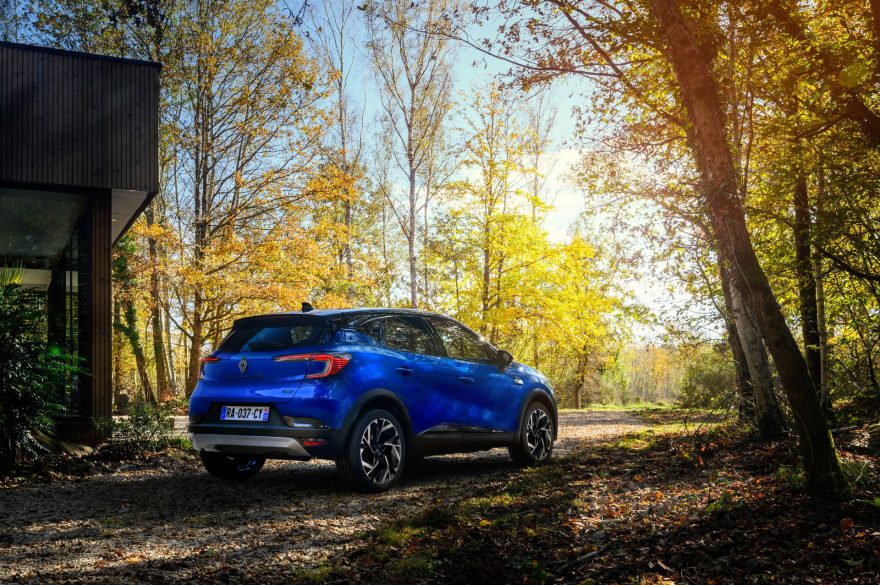
Renault Captur E-Tech full hybrid, from €24,790
The E-Tech system remains one of the smoothest to drive in the segment, with almost imperceptible petrol-electric transitions.
| Power (kW) | Power (CV) | Consumption | Label | Fuel |
|---|---|---|---|---|
| 117 | 160 | 4.4 l/100 km | ECO | Hybrid |
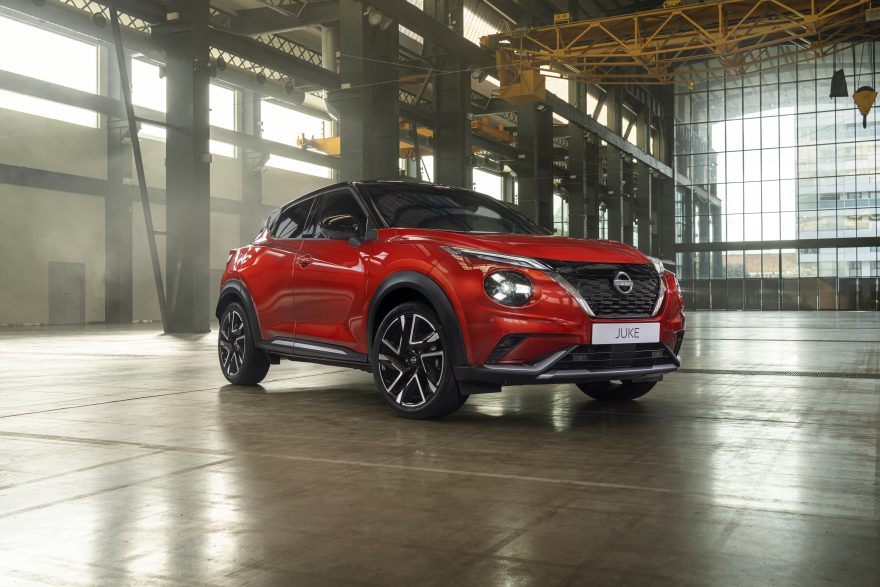
Nissan Juke Hybrid, from €26,100
The most personal in design within the group. It is not the most spacious, but it makes up for it with an urban character that leaves no one indifferent.
| Power (kW) | Power (CV) | Consumption | Label | Fuel |
|---|---|---|---|---|
| 105 | 143 | 4.7 l/100 km | ECO | Hybrid |
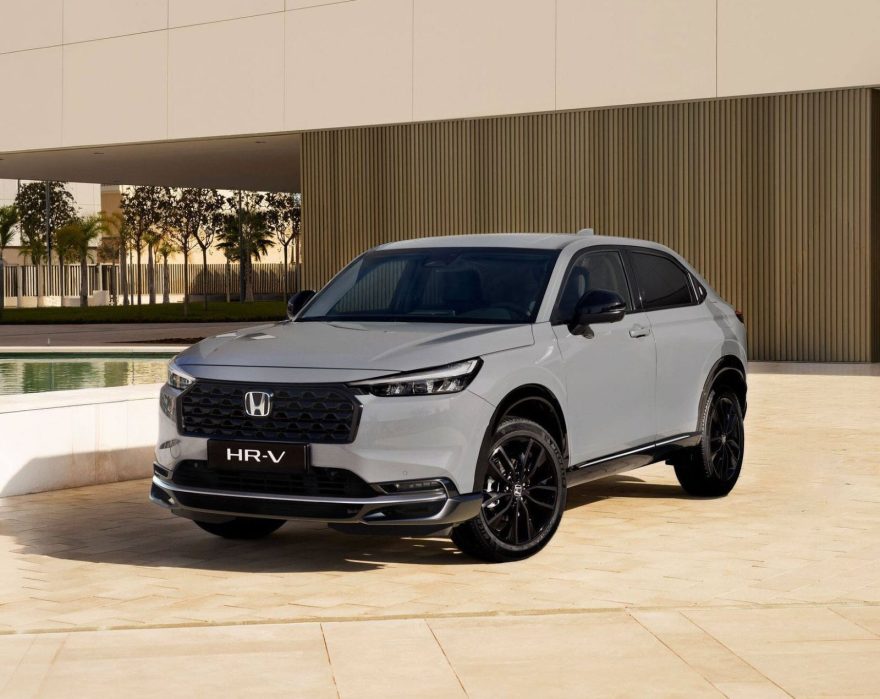
Honda HR-V e:HEV, from €29,460
Honda applies here its experience with non-plug-in hybrids, with a very refined result, although the price leaves little room for manoeuvre in the budget.
| Power (kW) | Power (CV) | Consumption | Label | Fuel |
|---|---|---|---|---|
| 96 | 131 | 5.4 l/100 km | ECO | Hybrid |
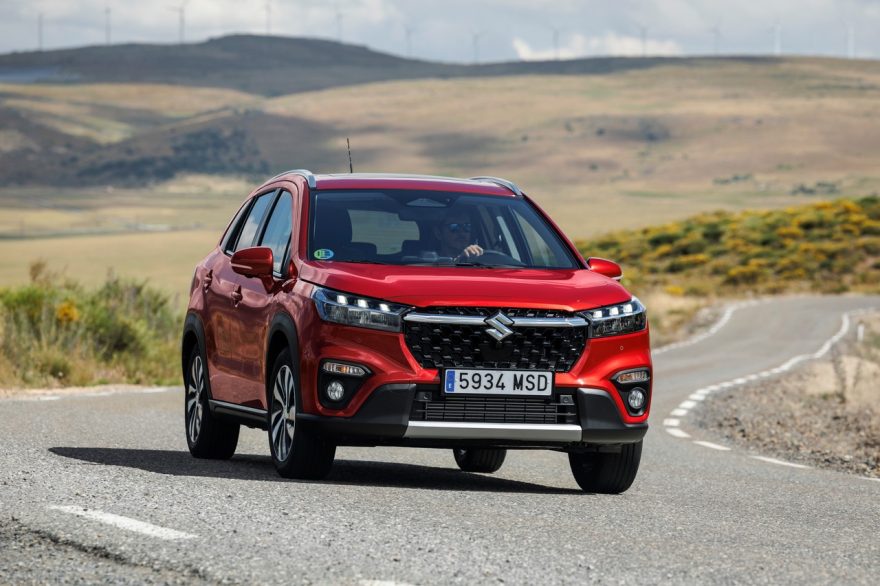
Suzuki S-Cross Strong Hybrid, from €31,131
Less well known, but with all-wheel drive available as a differentiating argument against almost everything else on this list (although in its conventional hybrid version it slightly exceeds the €30,000 threshold, with only its Mild Hybrid variants falling below it).
| Power (kW) | Power (CV) | Consumption | Label | Fuel |
|---|---|---|---|---|
| 85 | 116 | 5.1 l/100 km | ECO | Hybrid |
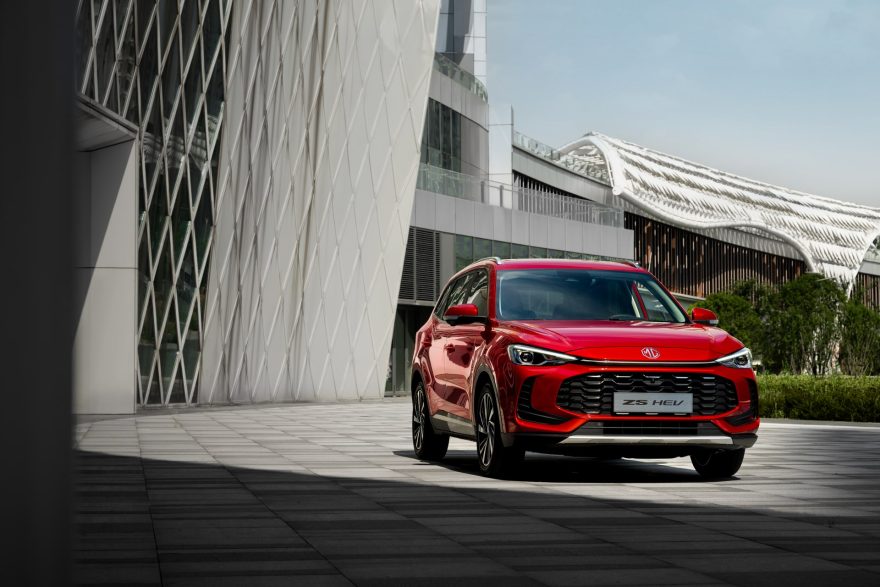
MG ZS Hybrid+, from €20,340
The cheapest in the group and, on paper, the one with the highest combined system power. It is debatable whether the interior finish keeps up with the rest, but the price more than compensates.
| Power (kW) | Power (CV) | Consumption | Label | Fuel |
|---|---|---|---|---|
| 145 | 197 | 5.0 l/100 km | ECO | Hybrid |
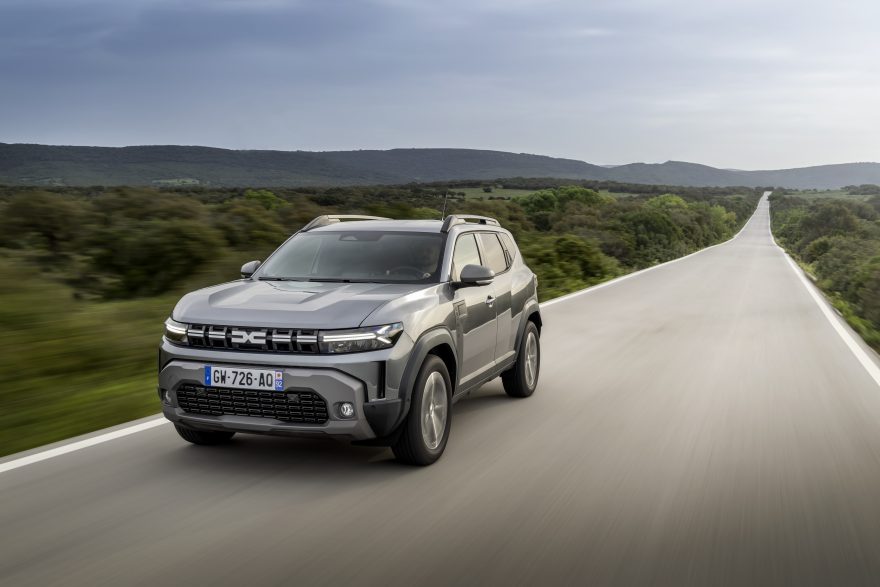
Dacia Duster Hybrid, from €24,247
The Duster hybrid remains the king of price-to-space ratio in the segment, with a robust approach that suits those looking for an SUV without frills.
| Power (kW) | Power (CV) | Consumption | Label | Fuel |
|---|---|---|---|---|
| 114 | 155 | 4.7 l/100 km | ECO | Hybrid |
Comparison table: hybrid SUVs for under €30,000
| Model | Price from | Consumption | Label | Score |
|---|---|---|---|---|
| MG ZS Hybrid+ | €20,340 | 5.0 l/100 km | ECO | 8.2 |
| Dacia Duster Hybrid | €24,247 | 4.7 l/100 km | ECO | 8.5 |
| Kia Niro HEV | €24,707 | 4.5 l/100 km | ECO | 9.0 |
| Renault Captur E-Tech | €24,790 | 4.4 l/100 km | ECO | 8.9 |
| Nissan Juke Hybrid | €26,100 | 4.7 l/100 km | ECO | 8.0 |
| Hyundai Kona HEV | €26,600 | 4.5 l/100 km | ECO | 8.8 |
| Toyota C-HR | €29,200 | 4.7 l/100 km | ECO | 8.7 |
| Honda HR-V e:HEV | €29,460 | 5.4 l/100 km | ECO | 8.1 |
| Suzuki S-Cross Strong Hybrid | €31,131 | 5.1 l/100 km | ECO | 7.8 |
Our recommendation by usage profile
If your priority is a tight budget, the ZS Hybrid+ or the Duster have no rival. If you are looking for the lowest real-world mixed consumption, the Captur E-Tech, the Kona HEV and the Niro HEV take the crown. And if what you want is warranty peace of mind for eight years, the Niro and the C-HR remain the safest bet, though the latter is one of the least economical on the list. As we covered in our comparison of urban hybrid SUVs with an ECO label, there is no universal winner: there is the car that best fits your annual mileage.
Frequently asked questions
Which is the cheapest hybrid SUV under €30,000 in Spain in 2026?
The MG ZS Hybrid+ starts at €20,340 with promotions, followed by the Dacia Duster Hybrid from €24,247.
Which hybrid SUV consumes the least in real use?
According to homologated data, the Renault Captur E-Tech (4.4 l/100 km), the Hyundai Kona HEV and the Kia Niro HEV (4.5 l/100 km) lead the table, although on the motorway the differences between models shrink considerably.
Is it worth paying more for the Toyota C-HR or the Kia Niro over cheaper options?
It depends on your time horizon. If you plan to keep the car for more than eight years, the accumulated reliability of the Toyota and the 7-year warranty of the Kia are strong arguments, especially now that the Niro has very competitive offers compared with the higher price of the C-HR.
Can I access public aid to buy a non-plug-in hybrid SUV?
Not through the state Plan Auto+, since the aid under this programme is aimed exclusively at vehicles with the CERO label (pure electric and plug-in hybrids with more than 40 km of electric range). Conventional hybrids (ECO label) can only benefit from one-off manufacturer discounts, local scrappage schemes or municipal reductions in the vehicle circulation tax and regulated parking zones.
Technical specifications of the cars in this article

 Kia offers an electric range of 10 models, 50 versions and 400 possible combinations
 The seven finalists for the 2027 European Car of the Year (COTY) are exclusively electric
 Peugeot E-208 GTi: a battery-powered toy that revives the spirit of the 1980s sports cars
Deja un comentario