Audi BMW Discovery Sport GLE Land Rover Mercedes Q7 Volvo X5 XC90 Electric Cars Hybrid Cars Buying Guides SUV
How to Choose a Premium Diesel SUV in 2026: When It Still Makes Sense Compared with Hybrid and Electric
 Dani Montesinos
9 September 2026
7 min.
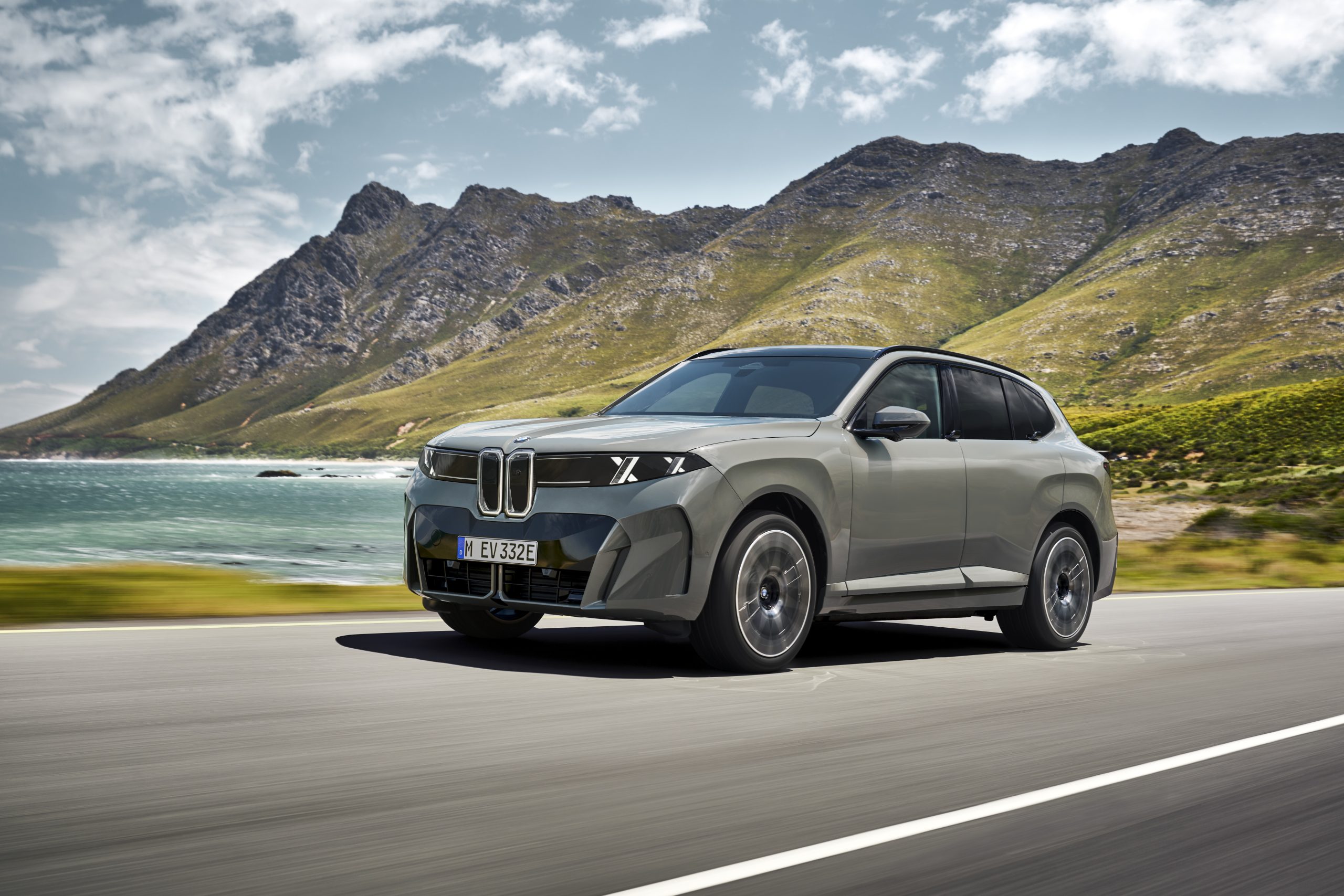
A guide to deciding whether a premium diesel SUV is still the rational purchase compared with plug-in hybrids and electric vehicles, with key models from the Spanish market.
Diesel has gone from hero to villain in less than a decade, and now it lives a quiet but very real second life: that of the buyer who drives many kilometres a year, tows, travels long distances and does not want to depend on a charger. In the premium segment, turbodiesel engines are still on sale in Spain in 2026 — with a C label, Euro 6e approval and consumption figures that a plug-in hybrid cannot come close to on sustained motorway driving.
A clarification before we begin the analysis: we have deliberately left out the electric proposals from BYD and Nissan that might appear as “non-diesel” alternatives. In our view, BYD remains a reference in pure electrification, but in 2026 the premium buyer has a wider range of rivals with more refined technology and interior quality; in the case of Nissan, we consider that its premium electric SUV proposal falls a step behind in finish, insulation and software compared with German or Swedish alternatives in the same price range. With that said, let us move on to what does qualify.
Why premium diesel has not died in 2026
The market picture is stubborn. The latest-generation turbodiesels in the premium segment still homologate 6-7 l/100 km in real mixed use under load, and drop below 6 l on the motorway at 120 km/h. No PHEV gets anywhere near that once the battery is depleted, and no large electric car performs the same when towing 2,500 kg or on a 900 km run without stopping for anything other than refuelling.
That said, the label is no longer green. It is C, with everything that implies in the ZBEs of Madrid, Barcelona and those yet to come. If you live in the centre of a large city and will only take open roads on holiday, this article probably is not for you.
The buyer profile for whom it still pays off
Clear numbers, without embellishment:
- More than 25,000 km/year, with a high proportion of motorway driving.
- Recurring trips of more than 500 km in one go.
- Regular towing (caravan, horse trailer, light boating).
- Home without a private charger and without reliable access to rapid charging.
- Need for a C label that is acceptable in their city (not a strict ZBE).
If you tick three or more of these, the premium diesel still remains, in practice, the most rational option.
Diesel SUV vs plug-in hybrid: where each one wins
The PHEV shines in urban-metropolitan driving with daily charging: ZERO label, 60-90 km of real electric range, favourable taxation. Outside that use case — and we are talking about a huge percentage of the real fleet — the PHEV carries a battery it does not use and a combustion engine that works harder than it should. Consumption of 8-9 l/100 km on the motorway with the battery depleted is the norm, not the exception.
The diesel, there, manages 5.8-6.5 l/100 km without breaking a sweat. The five-year cost calculation at 30,000 km a year clearly tilts towards diesel, even when paying more for each litre.
Diesel SUV vs electric: the long-distance equation
The premium electric car has made great strides with 800 V platforms and stable charging curves above 200 kW. Even so, planning a 900 km trip in August with family and a loaded boot still means one or two charging stops against a single five-minute diesel refuel. It remains to be seen whether the long-distance driver is willing to accept that temporal toll in exchange for the ZERO label.
For anyone who sees the car as a tool rather than a manifesto, diesel wins this particular battle. For anyone who covers 15,000 km a year mainly in town, it loses hands down.
BMW X5 40d — from €98,369
In my view, the X5 40d is the reference in the segment for dynamic balance and consumption. The 3.0 six-cylinder inline with 48V mild hybridisation softens starts, improves response and lowers homologated consumption below 7 l/100 km. Its ride feels like a much smaller car than it is.
| Power kW | Power CV | Top speed | Range | Consumption | Label | Fuel |
|---|---|---|---|---|---|---|
| 230 kW | 313 CV | 230 km/h | ~1,150 km | 7.0 l/100 km | C | Diesel MHEV |
Mercedes-Benz GLE 300d — from €73,805
The GLE 300d is the most touring-oriented option in the group. Reference-level insulation, an optional air suspension that transforms the car, and a four-cylinder diesel that surprises with its refinement — little to do with the harsh diesels of ten years ago. On sustained motorway driving at 130 km/h it drops below 6.5 l/100 km without effort.
| Power kW | Power CV | Top speed | Range | Consumption | Label | Fuel |
|---|---|---|---|---|---|---|
| 198 kW | 269 CV | 226 km/h | ~1,200 km | 5.5 l/100 km | C | Diesel MHEV |
Audi Q7 TDI — from €98,500
The Q7 remains the most rational proposal when seven seats and genuine towing capacity are needed. The 286 CV V6 TDI pulls the car’s 2,500 kg with an almost insulting ease, and the boot — 865 litres with five seats — is one of the largest in the segment. The dual-screen interior starts to show its age against the new school, however.
| Power kW | Power CV | Top speed | Range | Consumption | Label | Fuel |
|---|---|---|---|---|---|---|
| 220 kW | 299 CV | 241 km/h | ~1,150 km | 7.1 l/100 km | C | Diesel MHEV |
Land Rover Discovery Sport D200 — from €58,900
The Discovery Sport D200 is the entry point to Land Rover’s off-road approach with a diesel engine and a price kept modest within the premium bracket. Real capabilities off the tarmac that none of the above can match, and cabin practicality designed for families. Consumption is somewhat higher than the German cars; weight and aerodynamics take their toll.
| Power kW | Power CV | Top speed | Range | Consumption | Label | Fuel |
|---|---|---|---|---|---|---|
| 150 kW | 204 CV | 205 km/h | ~950 km | 7.4 l/100 km | C | Diesel MHEV |
Total cost of ownership over five years
At 30,000 km a year, a premium diesel SUV falls between €9,500 and €11,500 per year in total cost (depreciation, fuel, insurance, maintenance, taxes). An equivalent PHEV works out more expensive in depreciation and slightly cheaper in fuel only if it is charged religiously; if not, it breaks even or loses out. The premium electric car wins on running costs but loses on accelerated depreciation of the first generation of batteries, although this aspect has improved — something we already analysed in detail in our comparison of the BMW iX3 and Mercedes EQE SUV.
ZBE, C label and the regulatory horizon
The C label allows circulation in most current Spanish ZBEs for residents and, with nuances, for non-residents. Madrid Central and the more restrictive Catalan ZBEs are the notable exception. The Plan Auto+ obviously does not apply to diesel: anyone who opts for diesel pays for the whole car, with no public aid.
Summary table and rating
| Model | CV | Consumption | Range | Label | Rating |
|---|---|---|---|---|---|
| BMW X5 30d | 313 | 6.8 l | 1,150 km | C | 9.0 |
| Mercedes GLE 300d | 269 | 6.4 l | 1,200 km | C | 8.8 |
| Audi Q7 TDI | 299 | 7.1 l | 1,150 km | C | 8.5 |
| Land Rover Discovery Sport D200 | 204 | 7.4 l | 950 km | C | 7.5 |
For those who do not fit the diesel profile, it still makes sense to look at the guide to premium plug-in hybrid SUVs in 2026 before deciding.
FAQ
At what annual mileage does a premium diesel SUV pay off in 2026?
As a rough threshold, from 25,000 km a year with a high proportion of motorway driving, premium diesel starts to beat the PHEV and the electric car on five-year total cost. Below 15,000 km of urban driving, it stops making sense.
Can I enter a ZBE with a C label?
Yes, in most Spanish ZBEs vehicles with a C label may circulate, with occasional restrictions for non-residents in some central areas. It is advisable to check the specific municipal regulations before buying.
Is a Euro 6e diesel SUV still legal in the long term?
Yes. The Euro 6e standard is in force in 2026 and no circulation ban has been announced for vehicles already registered. The 2035 horizon affects new registrations, not the vehicles in use.
Which premium diesel SUV has the best real-world motorway consumption?
The Mercedes GLE 300d, with homologated figures below 6.5 l/100 km and motorway behaviour that drops below 6 l when driven smoothly, is the reference in the group for real efficiency at legal speeds.
Technical specifications of the cars in this article


 Peugeot E-208 GTi: a battery-powered toy that revives the spirit of the 1980s sports cars
 New Lexus ES: luxury grows and goes electric
 First contact with the Dacia Sandero Hybrid 155: power and efficiency from €19,890
Deja un comentario