Audi BMW e-tron EQE EX40 iX3 Mercedes Q6 e-tron Volvo Electric Cars Buying Guides SUV
How to choose a premium electric SUV in 2026 for under 80,000 euros: range, charging and warranty
 Dani Montesinos
3 September 2026
7 min.
Buying guide to choose a premium electric SUV under 80,000 euros in 2026, with criteria on range, fast charging and warranty
The premium electric SUV has stopped being a promise to become the most contested category in the market. And also the most confusing. Eighty thousand euros seems like a lot of money until you sit down to compare 800 V architectures, charging powers ranging from 150 to 350 kW, and battery warranties that sometimes fall short of what Asian competitors offer. This guide is here to bring some order.
One clarification before we get into the analysis: we are leaving out BYD and Nissan. The Chinese brand remains a benchmark in electrification, but in our view the 2026 buyer has a broader range of alternatives with better on-board technology and higher-end finishes. As for Nissan, a premium electric SUV is not defined solely by range and power — insulation, software, active safety and comfort weigh just as much or more, and we consider that today there are more rounded proposals within the same budget.
What defines a premium electric SUV under 80,000 euros today
Three things: a modern electric architecture (ideally 800 V), a WLTP range above 500 real usable km, and a battery warranty covering at least 8 years or 160,000 km with degradation limited to 70%. Everything else — driving feel, ergonomics, software — is taken for granted in this segment. Or it should be.
WLTP range: the number that matters and the one that doesn’t
The homologated figure remains useful as a comparative reference, but nobody buys an electric car anymore without mentally deducting 15-20% for real motorway driving. An SUV that homologates 550 km will deliver around 430-460 on a long journey at 120 km/h with air conditioning on. That is the number that matters. And there, the rivals separate more than it seems on paper.
DC fast charging: 400 V versus 800 V, and why it matters
The difference lies not in the advertised peak power, but in how long that power is sustained. A car with an 800 V architecture maintains flatter charging curves and fills from 10 to 80% in 18-22 minutes. One with 400 V, even with 150 kW peak, usually needs a good 30 minutes for the same. On trips of more than 500 km, the difference translates into an extra stop. Nothing dramatic, but it counts.
Battery warranty: the fine print that separates premium from the rest
The segment standard is 8 years / 160,000 km. Some Korean and Chinese manufacturers go up to 10 years or include a free annual check. German brands tend to stick to the minimum, with some exceptions. It is worth reading whether the coverage includes individual modules or only the complete pack — there is a real difference in cost if a repair is needed.
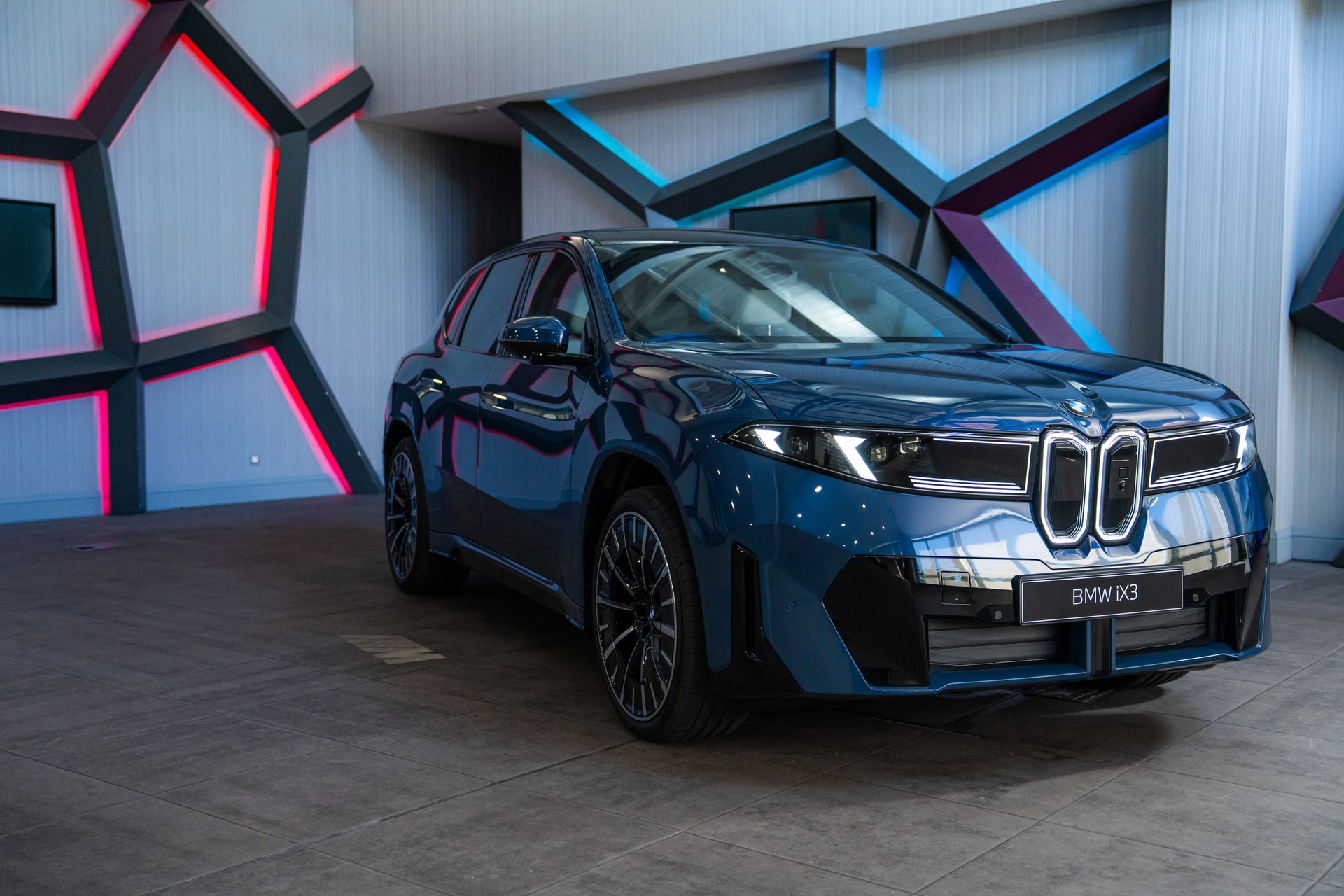
BMW iX3 — from 71,850 €
The new iX3 debuts the Neue Klasse platform and is, as of today, the technical benchmark of the segment. 800 V architecture, charging at 400 kW under optimal conditions, and efficiency among the best in the category. The interior makes a generational leap over the previous model and the software, at last, lives up to what the brand had promised for years. In my view, it is the one that best combines performance, range and driving experience within the budget. You can delve into its technical proposal in the full analysis of the new iX3.
| Power kW | Power CV | Top speed | WLTP range | Consumption | Label | Fuel |
|---|---|---|---|---|---|---|
| 345 kW | 469 CV | 210 km/h | 805 km | 15.1 kWh/100 km | ZERO | Electric |
Mercedes-Benz EQE SUV — from 78,500 €
The EQE SUV plays a different card: ride comfort, acoustic insulation and a sense of solidity that remains the house trademark. The architecture is 400 V, which penalises charging times compared with the iX3, but on real journeys that handicap is offset by generous range and modest consumption. That said, it brushes the budget ceiling in its most affordable version and options are expensive.
| Power kW | Power CV | Top speed | WLTP range | Consumption | Label | Fuel |
|---|---|---|---|---|---|---|
| 195 kW | 265 CV | 210 km/h | 569 km | 18.5 kWh/100 km | ZERO | Electric |
Audi Q6 e-tron — from 70,080 €
Based on the PPE platform shared with Porsche, the Q6 e-tron is probably the most balanced proposal in the VAG group. 800 V architecture, benchmark fast-charging figures and a cabin that, without the ostentation of the Mercedes, conveys quality in every detail. Its dynamic behaviour is more candid than that of the EQE. It convinces without fireworks.
| Power kW | Power CV | Top speed | WLTP range | Consumption | Label | Fuel |
|---|---|---|---|---|---|---|
| 285 kW | 387 CV | 210 km/h | 657 km | 17.0 kWh/100 km | ZERO | Electric |
Volvo EX40 — from 51,000 €
The sensible option for anyone who does not need to spend the entire budget. The EX40 (direct heir of the XC40 Recharge) does not compete on range with the Germans, but offers benchmark active safety, a sober interior of genuine quality and a manageable size that is appreciated in town. Its 400 V architecture limits charging to 200 kW, sufficient for urban use and medium journeys.
| Power kW | Power CV | Top speed | WLTP range | Consumption | Label | Fuel |
|---|---|---|---|---|---|---|
| 185 kW | 252 CV | 180 km/h | 575 km | 16.7 kWh/100 km | ZERO | Electric |
Genesis GV60 — from 55,900 €
The Korean bet with an 800 V architecture, technical sibling of the Kia EV6 but with a clearly premium level of finish and equipment. 80% charge in 18 minutes, extended warranty and a design that — let’s admit it — not everyone likes, but it has personality. The commercial network in Spain is still limited, and that is its biggest drawback.
| Power kW | Power CV | Top speed | WLTP range | Consumption | Label | Fuel |
|---|---|---|---|---|---|---|
| 168 kW | 229 CV | 185 km/h | 561 km | 18.2 kWh/100 km | ZERO | Electric |
Tesla Model Y Long Range — from 50,990 €
It remains the benchmark in real-world energy efficiency and its own charging network. The interior is minimalist to the extreme and perceived quality sits a step below the Germans, but in total cost of ownership and charging experience on the road few can match it. Its range-to-price ratio, quite simply, has no rival in the segment.
| Power kW | Power CV | Top speed | WLTP range | Consumption | Label | Fuel |
|---|---|---|---|---|---|---|
| 378 kW | 514 CV | 217 km/h | 603 km | 14.0 kWh/100 km | ZERO | Electric |
Summary table and editorial score
| Model | From price | Range | DC charging | Architecture | Battery warranty | Score /10 |
|---|---|---|---|---|---|---|
| BMW iX3 | 71,850 € | 805 km | 400 kW | 800 V | 8 years/160,000 km | 9.4 |
| Audi Q6 e-tron | 70,080 € | 657 km | 270 kW | 800 V | 8 years/160,000 km | 8.8 |
| Genesis GV60 | 55,900 € | 517 km | 240 kW | 800 V | 8 years/160,000 km | 8.5 |
| Tesla Model Y LR | 50,990 € | 561 km | 250 kW | 400 V | 8 years/192,000 km | 8.3 |
| Mercedes EQE SUV | 78,500 € | 569 km | 170 kW | 400 V | 8 years/160,000 km | 8.0 |
| Volvo EX40 | 51,000 € | 575 km | 200 kW | 400 V | 8 years/160,000 km | 7.8 |
Subsidies and real purchase cost
The Plan Auto+ remains the reference framework for public purchase aid for electric vehicles in Spain in 2026. The exact amounts and conditions should be checked on the official website before signing, as they change more often than is desirable. Applying the maximum aid and adding the scrappage discount, the real cost of entry into this category drops considerably.
Final recommendation
If the budget allows and technology is the priority, the iX3 tops the list without question. For those seeking a balance of price, range and charging, the Tesla Model Y remains unbeatable. The Q6 e-tron is the most balanced choice. And the EX40 is the sensible one for anyone who does not need the ceiling of the segment.
Frequently asked questions
Which premium electric SUV offers the best real-world range under 80,000 euros in 2026?
The BMW iX3 leads with 805 km WLTP, which on the motorway translates into roughly 620-650 effective km. It is today the segment benchmark for useful range.
Is it worth paying for an 800 V architecture?
Yes, if you make long trips frequently. The difference in charging time can be around 10-15 minutes per stop, which on a 700 km journey amounts to half an hour less total waiting.
What minimum battery warranty should a premium electric SUV have?
The industry standard is 8 years or 160,000 km with maximum degradation of 70%. Brands such as Tesla extend it to 192,000 km and some Korean brands offer additional annual checks.
Can you access the Plan Auto+ by buying a premium electric SUV costing more than 60,000 euros?
The Plan Auto+ usually sets a maximum vehicle price to qualify for the aid. It is advisable to verify the current limit in the active call before closing the purchase.
Technical specifications of the cars in this article


 Peugeot E-208 GTi: a battery-powered toy that revives the spirit of the 1980s sports cars
 New Lexus ES: luxury grows and goes electric
 First contact with the Dacia Sandero Hybrid 155: power and efficiency from €19,890
Deja un comentario