Audi BMW ES GLC Lexus Mercedes Q5 RAV4 RX Toyota Volvo X3 XC60 Hybrid Cars Buying Guides Rankings SUV
Ranking 2026: the 6 most reliable premium SUVs according to the latest quality studies
 Dani Montesinos
3 September 2026
7 min.
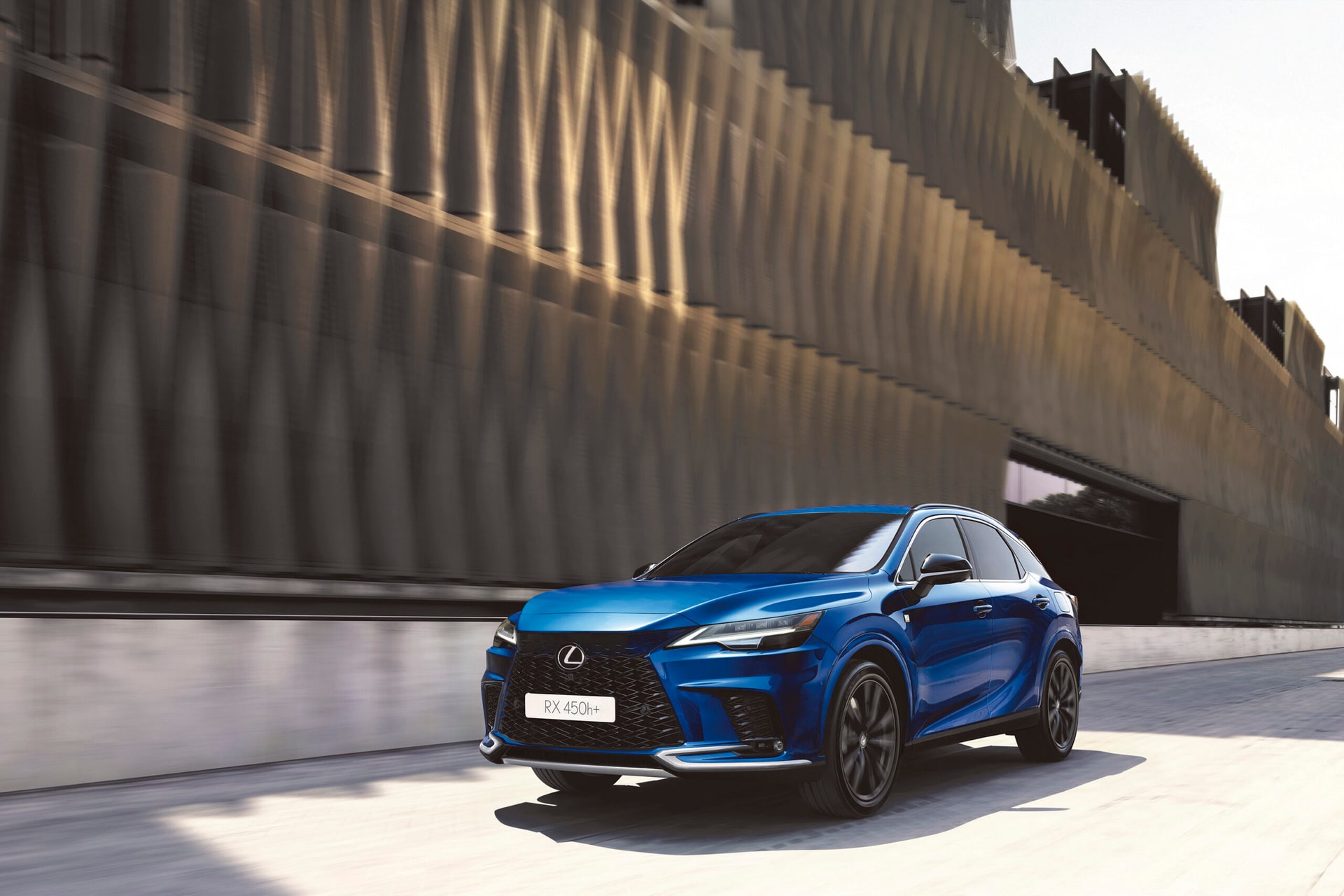
Review of the most reliable premium SUVs 2026 ranking according to J.D. Power, Consumer Reports and ADAC, with six models that stand out for mechanics, build quality and cost
There is one question every premium SUV buyer ends up asking before signing: will this car age well? Horsepower is quickly forgotten. So is the feel of the steering wheel. What remains, after four or five years, are the trips to the workshop, depreciation and that feeling—very hard to measure in a one-week test—that the car still feels whole. In 2026, the benchmark studies (J.D. Power US Vehicle Dependability, Consumer Reports Reliability and the ADAC Pannenstatistik reports) agree on one thing: not all premium SUVs age the same way, and the differences are greater than marketing would suggest.
This ranking deliberately leaves out two heavyweights of the segment. BYD, with increasingly complete electrified offerings, has not yet reached—in our view—the maturity of finish and technological refinement this category demands in 2026, especially when buyers have European and Japanese alternatives with a proven track record. Nissan is also left out of the analysis: in our opinion, its electric premium SUVs prioritise range and power figures, but do not yet resolve with the same solidity the overall package—soundproofing, software integration, ergonomics and long-distance comfort—that the six models that do make the list offer.
What a premium reliability study really measures
In 2026, reliability is no longer just about mechanics. J.D. Power reports PP100 (problems per 100 vehicles) after three years of use, with a growing weight on electronics: infotainment, ADAS, connectivity. Consumer Reports weighs 17 areas, from the engine to the climate control system. And the ADAC, perhaps the most severe, counts real breakdowns that leave the car stranded on the road. Cross-referencing all three gives a fairly faithful picture of the car you will have in 2030.
Lexus RX 500h — from €112,650
It is hard to argue with Lexus’s leadership. The RX 500h full hybrid has sat at the top of every study for years, and the 2026 model does not break that momentum. A naturally aspirated 2.5 engine supported by a series-parallel hybrid system, an eCVT transmission and a mechanical philosophy that forgoes turbocharging out of pure obsession with durability. In practice, this translates into a car that rarely breaks down and ages with dignity. The interior sits a step below a GLC in terms of perceived material quality to the touch—a matter of taste—but the execution is impeccable.
| Power kW | Power hp | Top speed | Range | Consumption | Label | Fuel |
|---|---|---|---|---|---|---|
| 272 | 371 | 210 km/h | ~950 km | 8.1 l/100 km | ECO | Hybrid |
BMW X3BMW X3 30e xDrive — from €68,100
The new-generation X3 arrives in 2026 with a refined platform, a noticeable leap in software quality (iDrive 9 no longer stutters on start-up) and a PHEV powertrain that Munich has been polishing for three generations. In the ADAC indices, the X3 consistently appears among German SUVs with the lowest breakdown rates. It drives like a BMW —that matters— and adds an electrified drivetrain with over 80 real km of zero-emission range. The technology of the BMW Neue Klasse is also starting to filter into this model.
| Power kW | Power hp | Top speed | Range | Consumption | Label | Fuel |
|---|---|---|---|---|---|---|
| 220 | 299 | 215 km/h | 88 km electric | 3.3 l/100 km | ZERO | PHEV |
Audi Q5Audi Q5 TFSI e — from €69,060
The new Q5 debuts the PPC platform and moves away from the electronic baggage that penalised the previous generation in the Consumer Reports rankings. A well-known 2.0 TFSI engine, a revised S tronic gearbox and a plug-in hybrid integration that—on paper—resolves the weak points of the outgoing model. Whether the new MMI will last five years without the bug complaints it previously dragged along remains to be seen. The signs are good, but caution is advisable.
| Power kW | Power hp | Top speed | Range | Consumption | Label | Fuel |
|---|---|---|---|---|---|---|
| 220 | 299 | 230 km/h | 107 km electric | 2.5 l/100 km | ZERO | PHEV |
Volvo XC60 T6 — from €66,450
The Swedish entry on the list. The XC60 has spent half a decade as one of the premium SUVs with the best combined score for reliability and safety, and in 2026 it remains firm. The T6, with over 80 homologated electric km, offers a mature, uneventful PHEV powertrain and a cabin that ages better than almost any other in the segment: Scandinavian minimalism, yes, but materials that stand up to time without visible wear. The integrated Google software has resolved Volvo’s outstanding homework on infotainment.
| Power kW | Power hp | Top speed | Range | Consumption | Label | Fuel |
|---|---|---|---|---|---|---|
| 246 | 335 | 180 km/h | 79 km electric | 2.7 l/100 km | ZERO | PHEV |
Mercedes-Benz GLC 300e — from €68,114
The current GLC is, to my taste, the best-finished premium SUV in the segment in terms of perceived quality. The PHEV powertrain delivers over 100 electric km WLTP, a figure that in real use hovers around 90—still a segment benchmark. Mercedes has corrected most of the electronic faults that penalised the previous GLC in Consumer Reports studies, although the latest-generation MBUX still throws up the occasional minor connectivity glitch. Nothing serious. The rest of the car is beyond dispute.
| Power kW | Power hp | Top speed | Range | Consumption | Label | Fuel |
|---|---|---|---|---|---|---|
| 230 | 313 | 218 km/h | 124 km electric | 2.1 l/100 km | ZERO | PHEV |
Toyota RAV4Toyota RAV4 Plug-in Hybrid — from €47,075
The RAV4 PHEV closes the ranking and earns its place on merit. Toyota has reliability in its DNA, and although this model does not play in the same finishing league as a GLC or an XC60, it systematically appears at the top of J.D. Power studies thanks to a hybrid powertrain the brand has been perfecting since 1997. A premium SUV “for performance and equipment” rather than for interior luxury—but with a five-year cost of ownership that no German rival matches. If the priority is for the car not to fail, it is hard to argue against it.
| Power kW | Power hp | Top speed | Range | Consumption | Label | Fuel |
|---|---|---|---|---|---|---|
| 200 | 272 | 180 km/h | 75 km electric | 1.7 l/100 km | ZERO | PHEV |
Comparative summary table
| Model | hp | Label | Fuel | Price from | Score /10 |
|---|---|---|---|---|---|
| Lexus RX 500h | 371 | ECO | Hybrid | €112,650 | 9.4 |
| BMW X3 30e xDrive | 299 | ZERO | PHEV | €68,100 | 9.0 |
| Audi Q5 TFSI e | 299 | ZERO | PHEV | €69,060 | 8.5 |
| Volvo XC60 T6 | 335 | ZERO | PHEV | €66,450 | 8.9 |
| Mercedes-Benz GLC 300e | 313 | ZERO | PHEV | €68,114 | 9.1 |
| Toyota RAV4 PHEV | 272 | ZERO | PHEV | €47,075 | 9.2 |
Regarding official incentives, the framework currently in force in Spain remains the Plan Auto+ for electrified models; the amount applicable to each of the PHEVs in this ranking depends on the figure in force at the time of registration, so it is advisable to check the official website before closing the deal. For those seeking additional context on their choice, it may be useful to review how to choose a plug-in hybrid premium SUV in 2026.
Frequently asked questions
Which premium SUV brand is the most reliable in 2026 according to the studies?
Lexus and Toyota maintain their leadership in mechanical reliability according to J.D. Power and Consumer Reports, with breakdown rates below the premium segment average. Volvo ranks as the best European brand in the combined classification.
Are premium PHEV SUVs as reliable as full hybrids?
Broadly speaking, no: the greater complexity of a PHEV (traction battery, thermal management, charging connector) adds potential failure points. However, models such as the XC60 T6 or the RAV4 PHEV demonstrate that a mature PHEV can match a well-designed HEV in reliability.
Is it worth paying more for a reliable premium SUV rather than a mainstream one?
It depends on the intended period of ownership. If you keep the car for five to eight years, the lower breakdown rate and better residual value offset much of the initial premium of a premium model with proven reliability.
Which reliability study is the most rigorous: J.D. Power, Consumer Reports or ADAC?
None is superior to the others; they measure different things. J.D. Power assesses problems perceived by the owner, Consumer Reports weighs 17 technical areas and ADAC records real on-road breakdowns. Cross-referencing all three gives the most reliable picture.
Technical specifications of the cars in this article

 Peugeot E-208 GTi: a battery-powered toy that revives the spirit of the 1980s sports cars
 New Lexus ES: luxury grows and goes electric
 First contact with the Dacia Sandero Hybrid 155: power and efficiency from €19,890
Deja un comentario