Audi BMW GLC Land Rover Mercedes Q5 Range Rover Volvo X3 XC60 Hybrid Cars Buying Guides SUV
How to Choose a Premium Plug-in Hybrid SUV in 2026: Electric Range, CERO Label and Real Cost of Ownership
 Iván Navarro
2 September 2026
7 min.
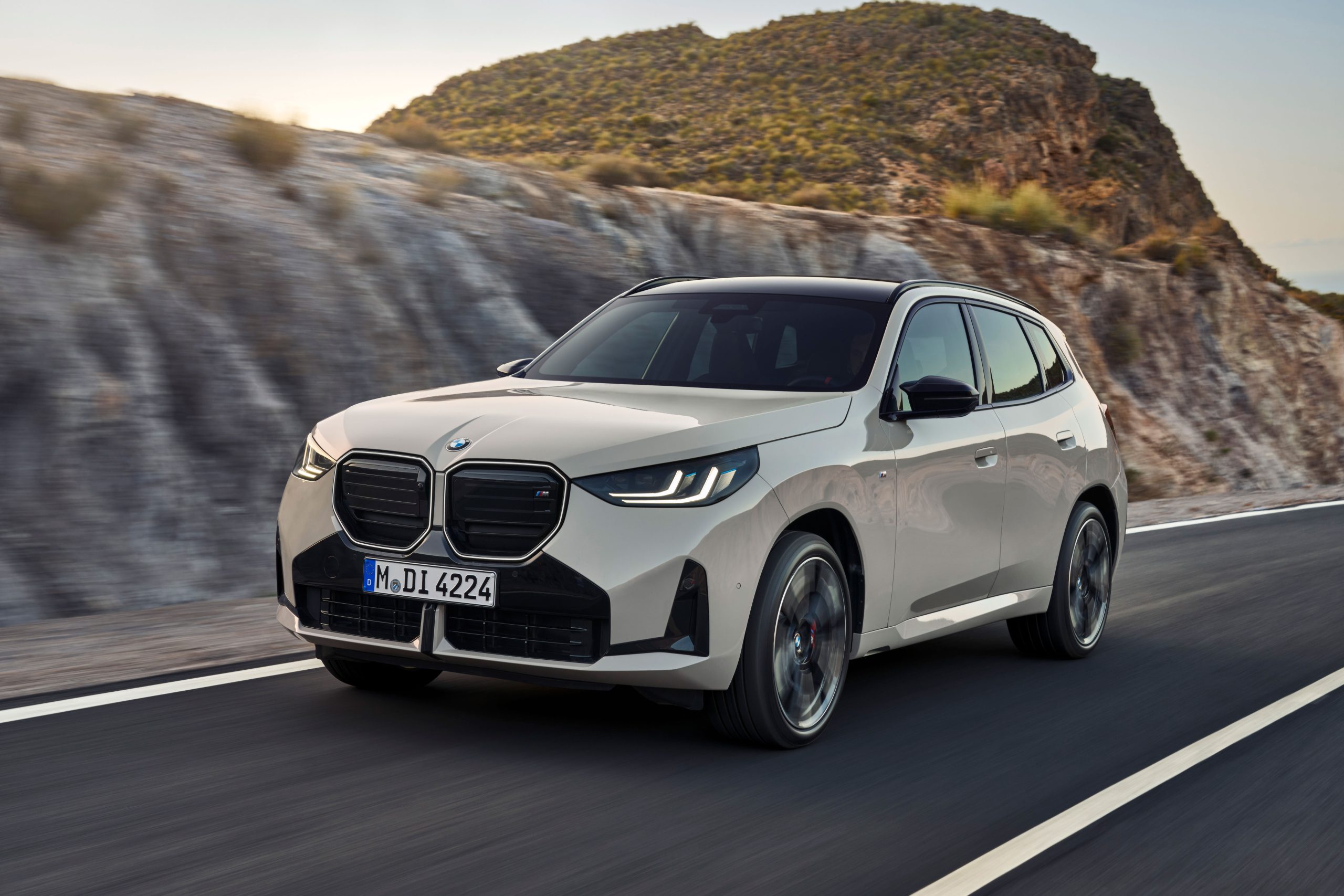
2026 buying guide for premium plug-in hybrid SUVs in Spain: WLTP electric range, keeping the CERO label and real cost of ownership. Recommendations by profile with models from BMW, Mercedes-Benz, Volvo, Audi and Land Rover.
The premium plug-in hybrid SUV reaches its maturity in 2026. We are no longer talking about those first generations with showcase 30 kilometres of electric range and token batteries. The second wave of PHEVs, with battery packs of around 19-26 kWh and WLTP ranges that comfortably exceed 100 kilometres depending on the model, has changed the equation. It has also changed the rules of the game: the DGT has tightened the criteria for keeping the CERO label, and not all plug-ins retain it with the same margin.
In the segment, BMW, Mercedes-Benz, Volvo, Audi and Land Rover compete with mature, well-tuned proposals. This analysis deliberately leaves out two names that do appear in other pieces in the media: BYD, which in our view remains a technical reference in pure electrification but whose premium PHEV catalogue in Spain sits a step below European alternatives in perceived interior quality and dynamic refinement; and Nissan, whose current offer in this niche, according to our editorial judgement, does not bring together the combination of finish, soundproofing, software and comfort expected when spending 70,000 euros or more. With that clarified, let us move on to the analysis.
What defines a premium PHEV SUV worth considering today
The basic rule has changed. On paper, any plug-in homologated with the CERO label complies. In practice, only those offering more than 80 km of real WLTP range and AC charging at 11 kW (or DC charging, where available) prevent the owner from ending up using them as very expensive conventional hybrids. That is the point where a premium PHEV justifies its price premium over a HEV.
WLTP electric range: the threshold that separates the wheat from the chaff
A modern PHEV with less than 70 km WLTP falls short for mixed use. From 90-100 km onwards, the equation changes: most daily journeys are covered in pure electric mode. The five models we analyse meet or exceed that level, with notable differences in real-world motorway consumption, where the extra weight of the battery always takes its toll.
CERO label after the regulatory tightening: what to look for
The CERO label is, for now, maintained for plug-ins with more than 40 km of homologated electric range. It remains to be seen whether the criterion is tightened in future revisions, something already debated in technical forums. A comfortable electric range margin is, in our view, the best insurance against a regulatory change that penalises PHEVs with small batteries. It is questionable whether buying a plug-in with 50 km WLTP today pays off with five years in mind.
BMW X3 30e xDrive — from 66,750 €
The new-generation X3 arrives in 2026 with a clear jump in battery and power. The 30e xDrive version combines the 2.0 turbo with an electric motor integrated into the Steptronic gearbox, and homologates around 80-88 km WLTP with three-phase charging at 11 kW. In dynamics it remains the benchmark of the segment: steering feel, poise through fast corners and soundproofing that has taken a step forward compared with the previous generation.
| Power kW | Power CV | Top speed | Electric range | Consumption | Label | Fuel |
|---|---|---|---|---|---|---|
| 220 kW | 299 CV | 215 km/h | 80-88 km WLTP | 1.1 l/100 km | CERO | PHEV |
Mercedes-Benz GLC 300 e 4MATIC — from 68,071 €
In my opinion, the GLC 300 e is the premium PHEV that best balances ride comfort and useful electric range. Its 25.3 kWh usable battery homologates figures close to 115-127 km WLTP, and it accepts DC charging at 60 kW, which is rare in the segment. The weight does show, however: it tips the scales at over 2.2 tonnes, and on winding roads it does not feel as sharp as the X3.
| Power kW | Power CV | Top speed | Electric range | Consumption | Label | Fuel |
|---|---|---|---|---|---|---|
| 230 kW | 313 CV | 220 km/h | 115-127 km WLTP | 0.6 l/100 km | CERO | PHEV |
Volvo XC60 T6 Recharge — from 66,450 €
The XC60 has become a bestseller on its own merits. The T6 Recharge powertrain combines a supercharged 2.0 with an electric motor on the rear axle, and reaches around 82 km WLTP. It is not the highest figure on the list, but the overall proposition — safety, Scandinavian ergonomics, materials — keeps it competitive. It is quick, yes, but it is not enjoyed on the road like a BMW; its territory is different.
| Power kW | Power CV | Top speed | Electric range | Consumption | Label | Fuel |
|---|---|---|---|---|---|---|
| 257 kW | 350 CV | 180 km/h | 82 km WLTP | 1.0 l/100 km | CERO | PHEV |
Audi Q5 TFSI e — from 69,060 €
The plug-in Q5 arrives renewed on the PPC platform with a substantially larger battery. It homologates around 100 km WLTP, and its main strength is overall coherence: restrained finish, good insulation and a chassis that conveys confidence without surprises. It is not the panacea in agility either, and its infotainment — with two screens and a HUD — has a learning curve not everyone appreciates.
| Power kW | Power CV | Top speed | Electric range | Consumption | Label | Fuel |
|---|---|---|---|---|---|---|
| 220 kW | 299 CV | 250 km/h | 100 km WLTP | 2.2-3.0 l/100 km | CERO | PHEV |
Land Rover Range Rover Velar P400e — from 83,400 €
The Velar plays in a different aesthetic league. The P400e keeps the plug-in proposition with a 19.2 kWh battery and around 58-59 km WLTP. Here it is worth being honest: it has the tightest electric range of the quintet, and that matters when the CERO label is at stake by fractions. In return, it offers a cabin with a staging that is hard to match in the segment, and off-road capability none of its rivals even attempt to approach.
| Power kW | Power CV | Top speed | Electric range | Consumption | Label | Fuel |
|---|---|---|---|---|---|---|
| 297 kW | 404 CV | 209 km/h | 58-59 km WLTP | 4.5-4.8 l/100 km | CERO | PHEV |
Real cost of ownership: where the purchase is decided
A premium PHEV is only worthwhile if it is plugged in daily. With overnight home charging (off-peak tariff at about €0.10/kWh), the cost per 100 electric kilometres ranges between 2.5 and 3 euros. Without access to a charging point of your own, the picture changes: you end up using the combustion engine, and the real consumption of a 2.2-tonne SUV in hybrid mode easily sits at 7-8 l/100 km, some 15-20% worse than an equivalent HEV because of the battery weight.
The current Plan Auto+ can ease the initial outlay on CERO-labelled models; check the up-to-date amount and conditions on the official website before signing, as the figure has been adjusted over time and does not always apply to top-of-range versions. Something similar to what we noted when choosing a premium mid-size SUV under 70,000 euros: the list price says little about the real four-year cost.
Comparative summary table
| Model | Electric range | Power | Price from | Label | Score |
|---|---|---|---|---|---|
| BMW X3 30e xDrive | 80-88 km WLTP | 299 CV | 66,750 € | CERO | 9.0 |
| Mercedes GLC 300 e | 115-127 km WLTP | 313 CV | 68,071 € | CERO | 9.2 |
| Volvo XC60 T6 Recharge | 82 km WLTP | 350 CV | 66,450 € | CERO | 8.3 |
| Audi Q5 TFSI e | 100 km WLTP | 299 CV | 69,060 € | CERO | 8.6 |
| Range Rover Velar P400e | 58-59 km WLTP | 404 CV | 83,400 € | CERO | 7.8 |
Recommendation by usage profile
For urban use with daily journeys under 100 km, the GLC 300 e is the most rational choice: it covers almost the whole week in electric mode. For a travelling profile with many motorway kilometres, the X3 30e xDrive offers the best balance between real consumption, poise and dynamics. For family use focused on comfort and safety, the XC60 T6 Recharge remains a purchase that is hard to dispute, as we also discussed in the ranking of premium PHEV SUVs with the best interior.
Frequently asked questions
Does a premium PHEV SUV keep the CERO label in 2026?
Yes, provided it homologates more than 40 km of WLTP electric range. All five models analysed clear that threshold with a margin, although the Velar P400e is tighter should the bar be raised in future.
How much real electric range can be expected compared with the WLTP figure?
In mixed conditions you lose between 15 and 25% against WLTP. On the motorway at 120 km/h the drop can reach 35-40%, especially in winter.
Is a premium PHEV worth it if I cannot charge at home?
In our view, no. The price premium and extra weight only pay off if you plug in daily. Without a charging point of your own or at work, a premium HEV offers a better total cost.
What AC charging power is recommended?
The minimum acceptable in 2026 is 7.4 kW; the recommended figure is 11 kW three-phase. Charging 25 kWh at 3.7 kW takes almost seven hours, a real operational drawback when daily use is demanding.
Technical specifications of the cars in this article
 Kia offers an electric range of 10 models, 50 versions and 400 possible combinations
 The seven finalists for the 2027 European Car of the Year (COTY) are exclusively electric
 Peugeot E-208 GTi: a battery-powered toy that revives the spirit of the 1980s sports cars
Deja un comentario