C10 Leapmotor MG MGS5 ZS Electric Cars Comparisons Buying Guides SUV
MG MGS5 EV vs Omoda 5 EV: which electric SUV-B offers the best value for under €30,000
 Iván Navarro
20 August 2026
5 min.
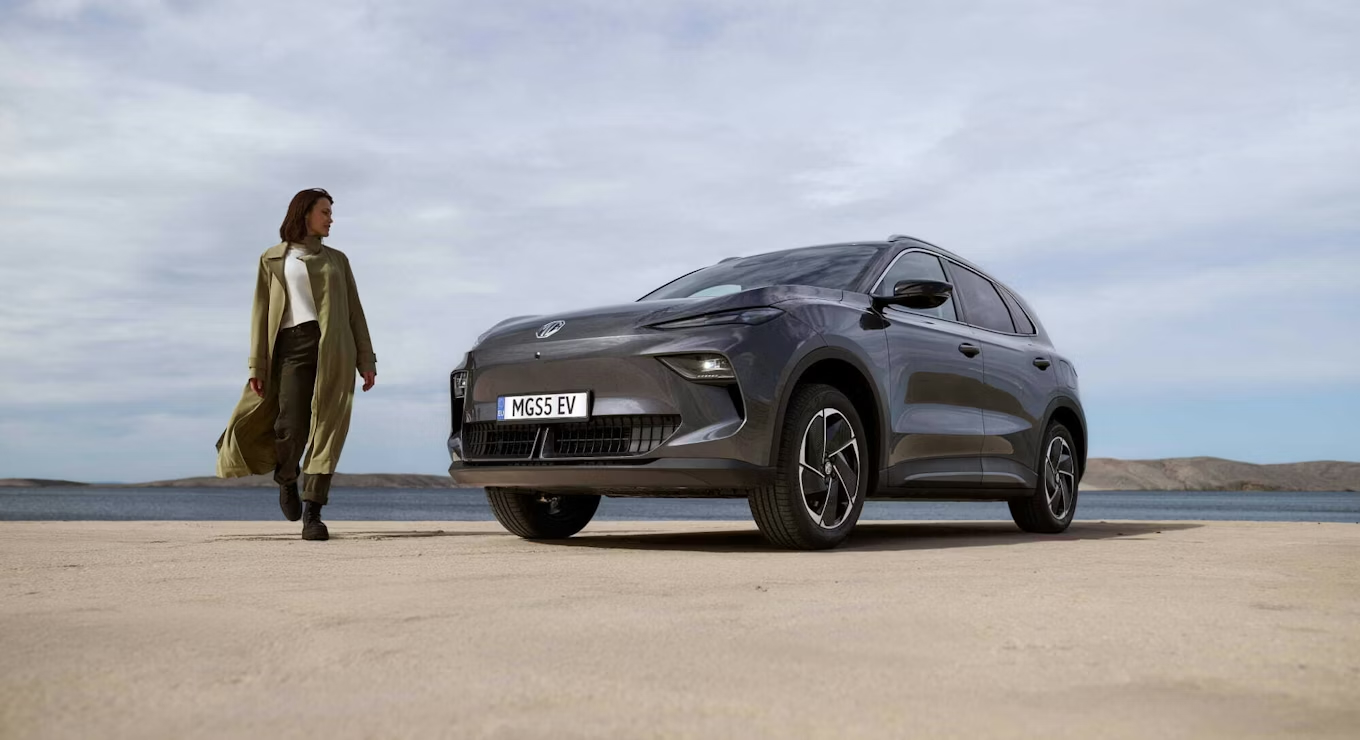
We compare the MG MGS5 EV and the Omoda 5 EV, two Chinese electric SUV-Bs aiming to lead on value for money in Spain. Range, power, equipment and indicative RRP under the microscope.
The electric SUV-B has become the favourite battlefield of Chinese brands in Spain. And within that ring, two names draw almost all the attention of buyers looking to electrify without going above €40,000: the MG MGS5 EV and the Omoda 5 EV. Before going further, a note for the reader: despite the headline hook, none starts today below €30,000 in official RRP. Only with aggressive dealer discounts, specific brand campaigns and the umbrella of the Plan Auto+ is it realistic to get near that figure.
The context: why the Chinese electric SUV-B leads in 2026
Three years ago, a decent electric SUV-B hovered around €40,000. Today the bar has moved so much that a buyer can consider a new car, with a CERO label, WLTP ranges above 400 km and full equipment for less than a well-equipped compact petrol car costs. MG and Omoda —the latter a brand of the Chery group— are the two names that have best read the play. It is no coincidence that both appear in almost all rankings of electric SUV-Bs with the best value for money on the Spanish market.
MG MGS5 EV from ≈€35,000: the pragmatic successor to the ZS EV
The MGS5 EV replaces the veteran ZS EV with a notable leap in platform, range and perceived quality. It measures 4,480 mm, carries a battery of roughly 64 kWh and is homologated at around 480 km WLTP. The figure that, in my view, makes the difference against its direct rival is power: about 170 kW (≈230 CV) in the top version, with a 0-100 km/h time close to 6.5 seconds. For an urban family SUV, that is more than enough.
The interior, without being luxurious, feels a step above the ZS it replaces. Large central screen, acceptable materials in the touch areas and simple ergonomics —MG has learned that not everyone wants menus nested four levels deep. That said, the steering asks for more weight than it offers as standard and the suspension tuning is somewhat soft when you push hard.
| Power kW | Power CV | Top speed | Range | Consumption | Label | Fuel |
|---|---|---|---|---|---|---|
| ≈170 kW | ≈230 CV | ≈190 km/h | ≈480 km WLTP | ≈15.5 kWh/100 | CERO | Electric |
Omoda 5 EV from ≈€37,900: a bet on design and equipment
The Omoda 5 EV arrives with a different recipe. Less power on paper —about 150 kW (≈200 CV)— and a somewhat lower WLTP range, around 430 km with a battery of roughly 61 kWh. In return, it delivers a more disruptive exterior design, with that almost-concept blind grille and rear space that surprises in an SUV-B. In practice, the Omoda is more than enough for 90% of urban and peri-urban journeys. Only when you face a long trip such as Madrid–Valencia with family and luggage do you notice the 50 km WLTP difference against the MG weighing on it.
The interior finish has its merits: double curved screen, soft-touch materials on the dashboard, well-crafted upholstery. It feels premium in a segment where, in 2023, that was science fiction. On the downside, the infotainment software requires patience —slow response times and the occasional unexpected restart. It remains to be seen whether the next OTA updates fix the issue.
| Power kW | Power CV | Top speed | Range | Consumption | Label | Fuel |
|---|---|---|---|---|---|---|
| ≈150 kW | ≈200 CV | ≈170 km/h | ≈430 km WLTP | ≈15.5 kWh/100 | CERO | Electric |
Real-world range and daily use: where does the difference show?
On paper, the MG gains 50 km over the Omoda. On the typical 40 km daily commute with a ZBE stop, that difference is irrelevant —both last a long week without charging. Things change on the road. Consider a Madrid–Alicante weekend: the MGS5 EV gets through with a single well-planned fast-charging stop, while the Omoda requires margin and planning. It is not a drama, but the user who drives more than 15,000 km a year will notice it.
Price, incentives and the reality behind the headline
Both RRPs are indicative and do not include dealer discounts, specific campaigns or purchase incentives. With the Plan Auto+ in force (check the official website for amounts updated to the month) plus brand promotions, the MGS5 EV can settle around €29,000–30,000 and the Omoda 5 EV somewhat above, at €31,000–32,000. That is where the headline makes sense —and also where the MG pulls ahead.
Summary table and rating
| Model | Range | Power | RRP from | Equipment | Value/€ | Score /10 |
|---|---|---|---|---|---|---|
| MG MGS5 EV | ≈480 km | ≈230 CV | ≈€35,000 | 8 | 9 | 8.6 |
| Omoda 5 EV | ≈430 km | ≈200 CV | ≈€37,900 | 8.5 | 7.5 | 8.0 |
Verdict: which one to choose
If you prioritise figures —range, power and a tight price— the MG MGS5 EV is the rational choice. If you are looking for distinctive design, a somewhat more refined interior and don’t mind paying €2,000–3,000 more, the Omoda 5 EV has its arguments. Ultimately, both make European competitors in the same segment look expensive, something we already saw with other Chinese duels such as the Leapmotor C10 against the Jaecoo 7.
Frequently asked questions
Can I buy an MG MGS5 EV or an Omoda 5 EV for less than €30,000 in reality?
Only by applying dealer discounts, specific promotions and the Plan Auto+. The official RRP of both is above that: ≈€35,000 for the MG and ≈€37,900 for the Omoda. At the dealership, with brand financing and purchase aid, the MGS5 EV can settle at around €30,000.
Which has the better real-world range on the road?
The MG MGS5 EV is homologated at ≈480 km WLTP versus the ≈430 km of the Omoda 5 EV. On the motorway at 120 km/h, both lose around 25–30%, but the MG keeps an advantage of about 40–50 real km.
Which model has better standard equipment?
The Omoda 5 EV comes better equipped from the entry trim, with a double screen and more refined materials. The MG compensates with more power and a larger battery for the same money.
Do both have the DGT CERO label?
Yes. Being 100% electric, the MGS5 EV and the Omoda 5 EV both carry the CERO label, with free access to ZBE zones and associated tax benefits.
Technical specifications of the cars in this article

 Peugeot E-208 GTi: a battery-powered toy that revives the spirit of the 1980s sports cars
 New Lexus ES: luxury grows and goes electric
 First contact with the Dacia Sandero Hybrid 155: power and efficiency from €19,890
Deja un comentario