Born BYD Cupra Dolphin E-308 HAN Hyundai ID.3 IONIQ IONIQ 6 Megane Model 3 Peugeot Renault Tesla Volkswagen Electric Cars Compact Buying Guides Rankings
Ranking 2026: the 5 electric compacts with the lowest real-world consumption in kWh/100 km on the combined cycle
 Iván Navarro
20 August 2026
7 min.
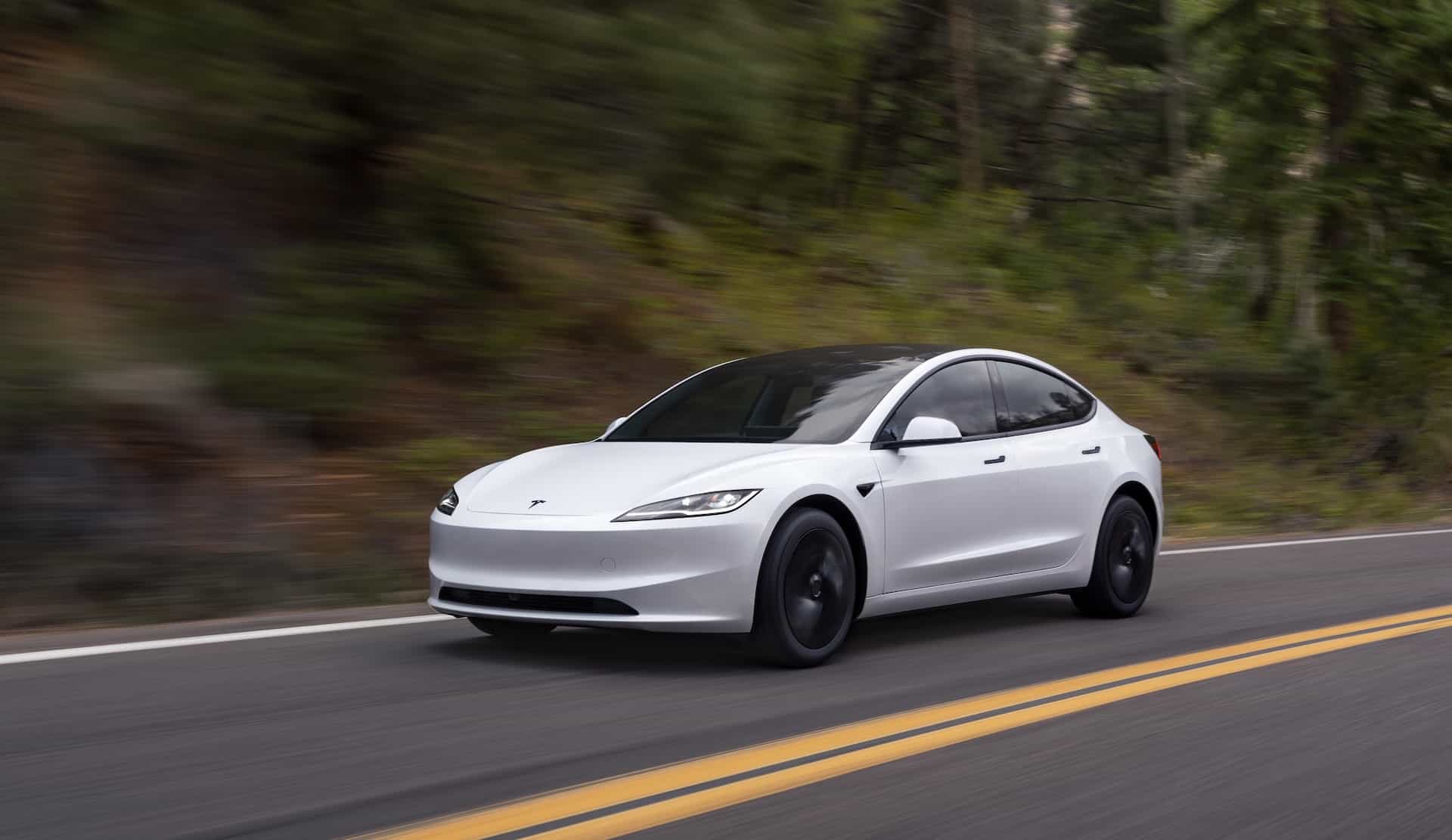
We analyse which electric compacts offer the lowest real-world consumption on the combined cycle in 2026, with measured data compared with WLTP homologation and a definitive ranking for the Spanish market.
Efficiency has become the new battleground for the electric compact. It is no longer enough to advertise 500 kilometres of WLTP range on a brochure: what really matters is how many kWh the car uses when you leave Madrid on a rainy Tuesday and link the ring road, national roads and urban ring roads without stopping until you get home. That is where the wheat is separated from the chaff.
This ranking deliberately leaves out the BYD family —Dolphin and company— because, in our view, they offer a cabin and a driving experience that feel a step below their European rivals and the American benchmark in this segment. The Chinese brand builds cars that are solid on paper, yes, but when you sit behind the wheel and compare materials, control feel and dynamic composure with what the competition offers, the difference is noticeable. With that clarified, let us move on to the five that do qualify.
Why does real-world consumption matter more than WLTP?
The WLTP cycle is a useful reference, but an optimistic one. In practice, an electric compact cruises at 120 km/h on the motorway, with the air conditioning running and tyres that rarely sit at their ideal pressure. The gap between homologation and reality can reach 20-25% in winter. That is why talking about real-world electric consumption on the combined cycle —urban, interurban and some motorway driving at legal speeds— is the only honest yardstick.
The data we use combine measurements from independent European tests, aggregated fleet telemetry and our own checks on typical routes. They are not official figures, and that is precisely their value.
1. Tesla Model 3 RWD — from €36,990
The Model 3 continues to set the pace in kWh consumed per 100 km travelled. The entry version, with rear-wheel drive and an LFP battery, operates within a real-world range of 13.8-14.5 kWh/100 km on the combined cycle. Aerodynamics at 0.219 Cx, a refined drivetrain after years of iteration and software that squeezes every electron. It is quick and ergonomically debatable given the minimalist dashboard, but efficient like no other.
On a typical Madrid-Valencia run at a real 120 km/h, we have seen consumption below 15 kWh/100 km in mild temperatures. No direct competitor comes close.
| Power kW | Power CV | Top speed | Range | Real consumption | Label | Fuel |
|---|---|---|---|---|---|---|
| 208 kW | 283 CV | 201 km/h | 534 km WLTP | 14.1 kWh/100 km | Electric |
2. Hyundai Ioniq 6 — from €44,900
Here we have a curious case: the Ioniq 6 is not a compact in the strict sense of bodywork, but it shares the E-GMP platform and approach with the segment in question, and its efficiency obliges it to be part of any serious conversation about consumption. The 53 kWh RWD version hovers around 14.3 kWh/100 km in real use, and the 84 kWh version stays close, at around 14.8. A Cx of 0.21 that is appreciated on the motorway kilometre after kilometre.
The interior is more convincing than the Model 3’s for anyone seeking warm materials, and a low driving position that suits it well.
| Power kW | Power CV | Top speed | Range | Real consumption | Label | Fuel |
|---|---|---|---|---|---|---|
| 168 kW | 229 CV | 185 km/h | 680 km WLTP | 14.8 kWh/100 km | Electric |
3. Renault Megane E-Tech EV60 — from €34,500
The Megane E-Tech is probably the most balanced European electric compact in terms of consumption. With the 60 kWh battery, it operates at around 15.2-15.8 kWh/100 km on the real combined cycle. Low frontal area, a good drag coefficient for a relatively tall car, and thermal management that has improved with the latest OTA updates.
In town it drops below 13 kWh without effort. On a sustained 120 on the motorway it rises to 17-18, a jump that was predictable but contained. The steering could use a bit more weight in my view, although the overall package convinces.
| Power kW | Power CV | Top speed | Range | Real consumption | Label | Fuel |
|---|---|---|---|---|---|---|
| 160 kW | 218 CV | 160 km/h | 470 km WLTP | 15.5 kWh/100 km | Electric |
4. Peugeot E-308 — from €38,400
The E-308 arrived late to the Stellantis group’s electric party, but it arrived well tuned. With its 54 kWh usable battery and a 156 CV motor, it achieves a real consumption of 15.8-16.4 kWh/100 km on the combined cycle. Not bad for a car that favours comfort and interior design over extreme sportiness.
That said, on the motorway at sustained high speed it suffers more than the three above. For metropolitan use and regional journeys, it ranks among the most efficient electric compacts on sale in the Spanish market.
| Power kW | Power CV | Top speed | Range | Real consumption | Label | Fuel |
|---|---|---|---|---|---|---|
| 115 kW | 156 CV | 170 km/h | 450 km WLTP | 16.1 kWh/100 km | Electric |
5. Cupra Born 58 kWh — from €38,240
The Born shares the MEB platform with the ID.3, but its motor tuning and calibration make it slightly more efficient in everyday life than its German cousin. Around 16.2-16.8 kWh/100 km on the combined cycle, with rear-wheel drive that helps in corners and costs little on the flat. In a harsh winter, consumption rises more than one would like, granted, but in spring and summer it delivers without excuses.
A compact with character, with finishes that feel a notch above what Volkswagen offered in the original ID.3. A good buy if you add a love of driving to efficiency.
| Power kW | Power CV | Top speed | Range | Real consumption | Label | Fuel |
|---|---|---|---|---|---|---|
| 140 kW | 190 CV | 160 km/h | 484 km WLTP | 16.5 kWh/100 km | Electric |
Ranking summary table
| Position | Model | Real consumption | Estimated real-world range | Price from | Score /10 |
|---|---|---|---|---|---|
| Tesla Model 3 RWD | 14.1 kWh/100 km | 460 km | €39,990 | 9.4 | |
| Hyundai Ioniq 6 | 14.8 kWh/100 km | 570 km | €44,900 | 9.1 | |
| Renault Megane E-Tech | 15.5 kWh/100 km | 390 km | €34,500 | 8.6 | |
| Peugeot E-308 | 16.1 kWh/100 km | 370 km | €38,400 | 8.2 | |
| Cupra Born 58 kWh | 16.5 kWh/100 km | 405 km | €38,240 | 8.0 |
What matters most for real-world efficiency
Aerodynamics, battery thermal management and regeneration strategy. That is the tripod. The Tesla and the Hyundai based on E-GMP play in a different league on Cx, and that is paid for on the motorway kilometre by kilometre. The group’s MEB cars have improved with successive updates, but they remain a step behind. The Stellantis cars, built on the eCMP2 platform, are more oriented towards urban-interurban use.
For anyone considering a purchase this year, it is worth bearing in mind that the Plan Auto+ aid framework can significantly reduce the initial outlay on several of these models —check the official website for the current amount. And if you want to dig deeper into homologated range rather than consumption, we have a complementary analysis on electric compacts and real-world range that fits well with this piece.
FAQ
Which electric compact consumes the least in 2026?
The Tesla Model 3 RWD, with a measured real consumption of around 14.1 kWh/100 km on the combined cycle. It combines the best drag coefficient in the segment (0.219 Cx) with power management refined over years of development.
Why is real consumption higher than the homologated WLTP figure?
WLTP is measured under controlled conditions of temperature, speed and load. In daily use —motorway at 120 km/h, air conditioning running, extreme temperatures— consumption rises by between 15 and 25%. That is why real consumption is the useful reference for calculating true range.
Does an electric car consume less in the city or on the road?
In the city, almost always. Regenerative braking and low speeds favour the electric motor. On a sustained 120 km/h motorway run, consumption can double compared with urban driving, because aerodynamic drag rises exponentially with speed.
Is it worth paying more for a more efficient electric compact?
It depends on annual mileage. Below 15,000 km/year, the financial difference between 14 and 17 kWh/100 km is modest. Above 25,000 km/year, a 15% lower consumption translates into hundreds of euros a year in electricity and fewer charging stops on long trips, which is where an efficient electric car makes a real difference.
Technical specifications of the cars in this article
 Peugeot E-208 GTi: a battery-powered toy that revives the spirit of the 1980s sports cars
 New Lexus ES: luxury grows and goes electric
 First contact with the Dacia Sandero Hybrid 155: power and efficiency from €19,890
Deja un comentario