MG ZS vs Hyundai BAYON: which is the most complete SUV-B for under 22,000 euros
 Dani Montesinos
2 July 2026
5 min.
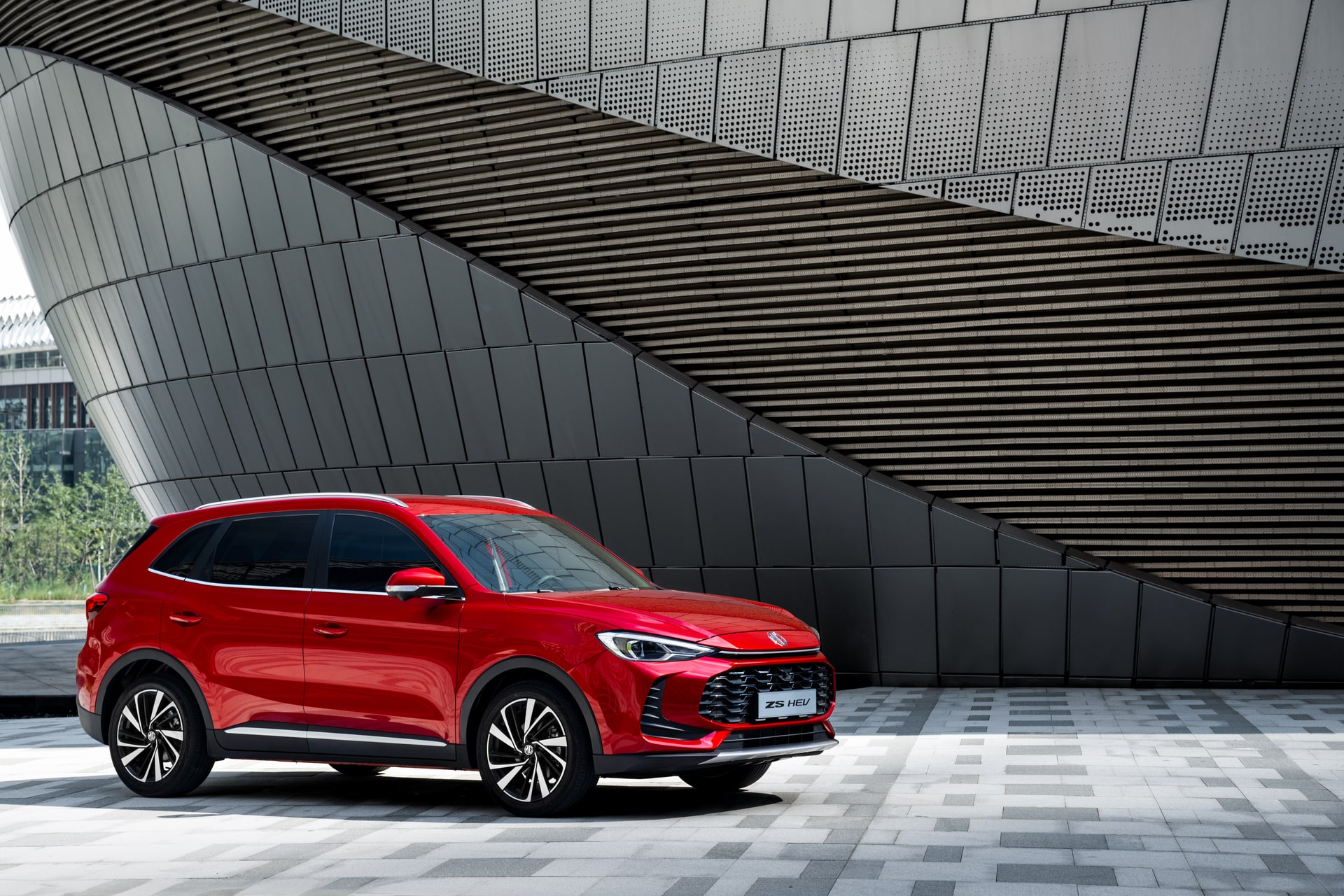
Comparison between the MG ZS Hybrid+ and the Hyundai Bayon 1.0 TGDi, two benchmarks of the SUV-B segment in Spain. We analyse mechanics, equipment and real cost.
The SUV-B segment has become the true battlefield of the Spanish market. City cars with a rugged attitude, restrained engines, tight prices and a clear promise: offering real versatility without overspending. In that territory, two names attract most of the attention of anyone looking for a family car of manageable size: the MG ZS Hybrid+ and the Hyundai BAYON 1.0 TGDi. One bets on full electrification; the other on the mechanical lightness of a turbocharged three-cylinder. Both hover around the psychological barrier of 22,000 euros during promotional campaigns, although their recommended RRP sits somewhat above that.
Why the SUV-B segment rules in Spain
In a country where the average car is over 13 years old and purchasing power pushes towards rational buying, the SUV-B has taken a large share of the sales that compact cars used to dominate. Driving height, a boot large enough for family use, easy-to-park dimensions and an aspirational image: the formula works. And it works especially well when the price stays far below 30,000 euros.
How we set up the comparison
We focus on two representative versions of each model: the best-selling (or most recommendable) engine in each range, with mid-level equipment, five seats and standard transmission. The aim is to answer one very specific question: which small SUV to buy for under 22,000 euros with the best overall value for money in 2024?
MG ZS Hybrid+ — from approximately 22,340 €
The MG ZS Hybrid+ is, on paper, the most ambitious proposal. Its self-charging hybrid system combines a 1.5 atmospheric engine with an electric motor to deliver a combined 197 CV, a figure that outclasses any rival in the segment below 25,000 euros. The three-speed automatic gearbox for the electric drive and the proprietary management logic of MG aim for smooth behaviour in town and confident performance on the open road, with an ECO label and official consumption figures close to 5 l/100 km.
The approach is clear: more car for less money. A generous cabin for the segment, a boot above the average and equipment that, in the mid-level trim, includes a large-format central screen, air conditioning and a full package of ADAS driver assistance systems.
| Power (kW) | Power (CV) | Top speed | Range | Consumption | Label | Fuel |
|---|---|---|---|---|---|---|
| 145 kW | 197 CV | 168 km/h | data not available | 5 l/100 km | ECO | Hybrid |
Hyundai BAYON 1.0 TGDi 90 Essence — from approximately 25,060 €
The Hyundai BAYON plays a different card. It is the entry-level SUV-B of the Korean brand, smaller than the Kona, with a striking design and a mechanical philosophy opposite to that of the MG: a 1.0 TGDi turbocharged three-cylinder engine producing 90 CV, manual gearbox and C label. Here the emphasis is on lightness, a lively response at low revs and traditional maintenance costs.
Its urban behaviour is agile, the driving position is exemplary and the perceived quality of the interior remains one of Hyundai’s strong suits. That said, real-world consumption hovers around 6 l/100 km and emissions sit at around 130 g/km of CO₂, reasonable figures but far from the MG hybrid.
| Power (kW) | Power (CV) | Top speed | Range | Consumption | Label | Fuel |
|---|---|---|---|---|---|---|
| 66 kW | 90 CV | 174 km/h | data not available | 5.8 l/100 km | C | Petrol |
Design and liveability
The MG ZS offers more centimetres where it counts: wheelbase, shoulder room and boot. The BAYON responds with a bolder exterior design, angular lines and an image that ages well. Inside, Hyundai wins on ergonomics and fit; the MG hits back with space and larger screens.
Mechanics: hybrid vs pure petrol
Here lies the heart of the debate. The urban SUV hybrid vs petrol contest translates into two very different experiences: the ZS Hybrid+ pulls strongly from standstill, silences the drive in traffic jams and clearly consumes less on mixed journeys. The BAYON 1.0 TGDi is lighter, simpler and cheaper to maintain over the long term, although at the cost of losing the ECO label, key in cities with low-emission zones (ZBE), and of higher consumption.
Equipment and technology
Both offer autonomous emergency braking, lane keeping assist, adaptive cruise control and a touchscreen with Android Auto/Apple CarPlay in intermediate versions. The MG tends to include more as standard for less money; the Hyundai makes up for it with better finish and a well-established after-sales network.
Real cost and indicative price
Mandatory notice: the figures we use are the manufacturer’s recommended RRP, without offers, dealer discounts, occasional campaigns or purchase grants. During promotions, both models frequently drop below 22,000 euros with financing, which places them as the leading candidates in the SUV-B comparison for under 22,000 euros.
Summary table and score
| Model | Power | Consumption | Label | Price from | Score |
|---|---|---|---|---|---|
| MG ZS Hybrid+ | 197 CV | 5 l/100 | ECO | 22,340 € | 8.5/10 |
| Hyundai BAYON 1.0 TGDi 90 | 90 CV | 5.8 l/100 | C | 25,060 € | 7.5/10 |
Verdict: which is the best small SUV of 2024?
If the criteria are power, technology and running costs, the MG ZS Hybrid+ is today the price benchmark. If you’re looking for a compact, agile car with a proven after-sales network and a lower real entry cost, the Hyundai BAYON remains a solid value.
FAQ
Which SUV-B performs best in the city?
The MG ZS Hybrid+ thanks to its electric drive on pull-away and lower urban consumption; its ECO label also makes access to ZBE zones easier.
Which offers the best real price below 22,000 €?
Both tend to land there with financing and discounts, but the MG ZS starts from a lower RRP and offers more power per euro.
Is the MG ZS Hybrid+ hybrid system reliable?
It is a recent technology for MG, with a 7-year warranty that provides peace of mind against initial doubts about durability.
What reviews does the Hyundai BAYON 1.0 TGDi receive?
Good ratings for its agile driving, quality finishes and modest consumption for a pure petrol engine, with the caveat of the C label.


 Peugeot E-208 GTi: a battery-powered toy that revives the spirit of the 1980s sports cars
 New Lexus ES: luxury grows and goes electric
 First contact with the Dacia Sandero Hybrid 155: power and efficiency from €19,890
Deja un comentario