BYD HAN SsangYong Tivoli Comparisons Tests SUV
Omoda gasoline vs KGM: which SUV-B offers more value for under 22,000 euros
 Dani Montesinos
20 August 2026
5 min.
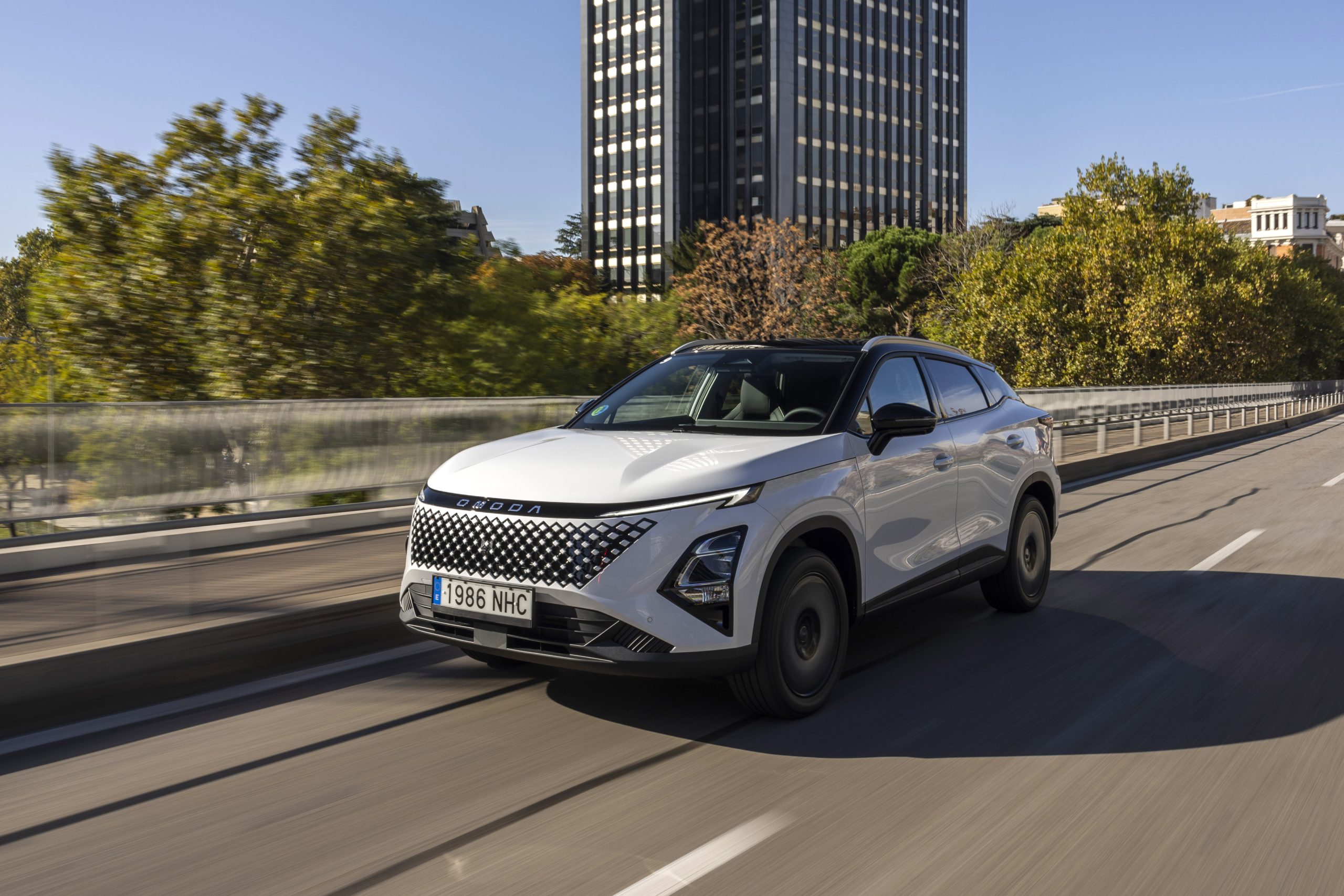
We compare the Omoda 5 gasoline and the KGM Tivoli, two SUV-Bs under 25,000 euros that compete with very different arguments
The SUV-B segment under 22,000 euros has become the most hotly contested ground in the Spanish market. This is where the mainstream brands fight for their share, and where the Asian newcomers have pushed in with a force that can no longer be ignored. Two names sum up this battle today: the Omoda 5 gasoline, the model with which Chery has arrived in Spain, and the KGM Tivoli, a veteran that has been reborn under the new corporate name of the former SsangYong.
A clarification before we get into the analysis: we have left BYD out of this comparison. The electric SUV market has narrowed considerably over the last two years and, in our view, the value-for-money advantage that the Chinese brand enjoyed over European and Asian rivals is no longer decisive enough to justify its inclusion in an analysis focused exclusively on gasoline models under 22,000 euros. With that said, let’s move on to the two that do make the cut.
Why compare the Omoda 5 gasoline vs KGM Tivoli
Both share a segment, a powertrain type and a very similar price bracket. And that is where the similarities end. The Omoda 5 arrives with a technology-led product pitch — twin screens, coupé-style lines, seven years of warranty — while the Tivoli still plays the card of the classic, practical SUV, with a more rational approach. Two opposing philosophies, one and the same budget.
Omoda 5 gasoline from 23,190 euros
The Omoda 5 with the 1.5 turbo producing 145 CV is, in my opinion, the SUV-B with the most visual impact in the segment. The frameless grille, the sharp light units and the roofline sloping back give it a look rarely seen at this price point. Inside, two fused 10.25″ screens dominate the dashboard, and standard equipment — climate control, 360° camera, six airbags, level 2 ADAS — speaks the language of a more expensive car.
On the road it behaves correctly, without brilliance. The CVT gearbox dulls part of the engine’s character and the steering wants more weight, especially on motorways. That said, the seven-year or 150,000 km warranty is a first-class commercial argument.
| Power kW | Power CV | Top speed | Range | Consumption | Emissions label | Fuel |
|---|---|---|---|---|---|---|
| 108 kW | 145 CV | 180 km/h | ~750 km | 7.0 l/100 km | C | Gasoline |
KGM Tivoli from 20,700 euros
The Tivoli plays in a different conceptual league. There are no wraparound screens or high-coupé pitch here: there is a pragmatic SUV-B, with a square body, good visibility, usable rear seats and a 423-litre boot that many rivals would envy. The entry engine is the 1.5 T-GDI producing 135 CV, enough for the urban and suburban use this car will see 90% of the time.
The interior feels a step below the Omoda in perceived quality — harder plastics, less refined central screen graphics — but the ergonomics are cleaner, with physical buttons where the rival has put touch menus. For someone who drives 40 kilometres a day with a ZBE restriction in place, that detail is appreciated more than it might seem.
And then there’s the price. Starting below 19,000 euros for an SUV-B with an C label, rear camera and parking sensors is a hard argument to refute.
| Power kW | Power CV | Top speed | Range | Consumption | Emissions label | Fuel |
|---|---|---|---|---|---|---|
| 99 kW | 135 CV | 193 km/h | ~700 km | 7.0 l/100 km | C | Gasoline |
Equipment compared
As standard, the Omoda wins hands down in visible technology: dual screens, dual-zone climate control on mid-range trims, wireless charging and a battery of assistants that on the Tivoli you have to go looking for in the top levels. The KGM, by contrast, defends the fundamentals better — space, visibility, ease of use — and offers mixed upholstery and 16″ wheels from the entry level.
Consumption and running costs
In real mixed use, both fall within similar ranges: 7–7.5 l/100 km is an honest figure for either, with the Tivoli slightly better in town thanks to its smaller engine and the Omoda marginally ahead on sustained motorway driving. Nothing dramatic. A Madrid–Cádiz weekend with either of them is covered with a single refuelling stop.
For maintenance, KGM’s network is more established in Spain; the Omoda is still growing its coverage, something to bear in mind if you live far from a major city. As for public grants, the Plan Auto+ barely scratches pure gasoline models; the real saving will come from negotiation and manufacturer financing.
Warranty and after-sales
Seven years or 150,000 km on the Omoda; five years or 100,000 km on the KGM. On paper, the Chinese car wins. In practice, the second one’s network has more mileage on it. Whether one or the other pays off depends on where you live.
Summary table and rating
| Model | Price from | Power | Consumption | Warranty | Equipment | Score /10 |
|---|---|---|---|---|---|---|
| Omoda 5 1.5T | 23,190 € | 145 CV | 7.0 l/100 km | 7 years | High | 8.1 |
| KGM Tivoli 1.2T | 20,700 € | 135 CV | 7.0 l/100 km | 5 years | Medium | 7.6 |
Verdict
Which to choose? It depends on your profile. If you value design, on-board technology and a very long warranty as a safety net, the Omoda 5 is the car. If you want pure practicality, a lower entry price and a more established after-sales network, the Tivoli still has plenty to offer. Both are good buys within their premises; neither is the panacea.
Frequently asked questions
Which has the better warranty, the Omoda 5 or the KGM Tivoli?
The Omoda 5 offers seven years or 150,000 km, more than the five years or 100,000 km of the KGM Tivoli.
Which SUV-B is cheaper, the Omoda 5 or the KGM Tivoli?
The KGM Tivoli starts from 18,500 euros, about 1,900 euros less than the Omoda 5 gasoline in its entry-level version.
Which uses less fuel in real driving?
In town the Tivoli is slightly more efficient thanks to its smaller engine; on sustained motorway driving the Omoda 5 holds its own a little better. Both hover around 7 l/100 km in real mixed use.
Do both have an ECO label?
No. Both are pure gasoline models and carry a C label. For access to ZBE zones with stricter restrictions, you would need to look at hybrid versions in the segment.
Technical specifications of this car


 Peugeot E-208 GTi: a battery-powered toy that revives the spirit of the 1980s sports cars
 New Lexus ES: luxury grows and goes electric
 First contact with the Dacia Sandero Hybrid 155: power and efficiency from €19,890
Deja un comentario