Audi e-tron Macan Porsche Q6 e-tron Electric Cars Comparisons Tests SUV
Porsche Macan Electric vs. Audi Q6 e-tron: a duel between premium electric compact SUVs on the PPE platform in 2026
 Iván Navarro
11 November 2026
6 min.
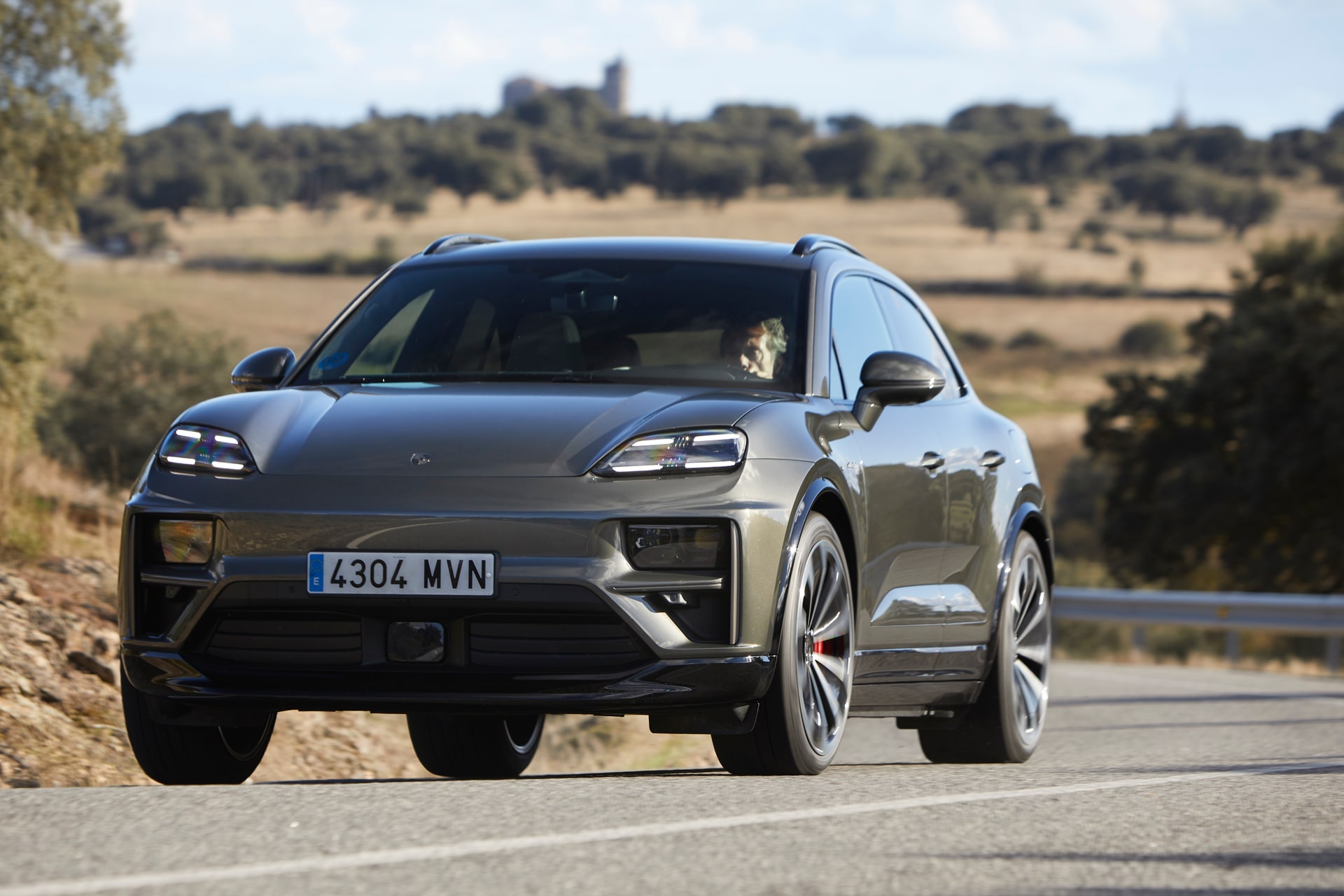
We compare the Porsche Macan Electric and the Audi Q6 e-tron, the two premium electric compact SUVs from the Volkswagen Group built on the PPE platform. Performance, range and price face to face.
They share a platform, they share an industrial group and yet they target two different types of buyer. The Porsche Macan Electric and the Audi Q6 e-tron are born from the PPE architecture (Premium Platform Electric), the premium electric backbone that the Volkswagen Group designed specifically so as not to depend on the MEB of its volume models. And it shows. This comparison of premium electric SUVs sets out to answer one very specific question: for a similar budget, is it worth paying the extra for the Macan, or does the Q6 e-tron Advanced more than meet the expectations of a premium electric compact SUV in 2026?
What the PPE platform is and why it changes the rules of the game
The PPE is not an MEB with tweaks. It is an 800-volt platform designed from scratch for premium brands, with fast charging sustained for longer and an electrical architecture that distributes weight better between the axles. Porsche and Audi developed it together, but each brand calibrates the software, suspension and power according to its own philosophy. The result: two cars that share technical DNA but feel — and drive — differently as soon as you press the accelerator.
Porsche Macan Electric: the dynamic benchmark of the segment
Porsche has not softened the character of the Macan by electrifying it. With 265 kW (360 CV) of overboost with Launch Control, the Zuffenhausen SUV accelerates from 0 to 100 km/h in 5.7 seconds and reaches a top speed of 220 km/h — figures that place it ahead of most direct rivals in this price range. The 100 kWh battery allows a homologated range of 641 km, with an average consumption of 17 kWh/100 km (in the best case of the WLTP range). It weighs ≈2,300 kg and measures 4,784 mm in length, five seats, the usual format of the German premium compact SUV.
| Model | Power | 0-100 km/h | Top speed | Range | Consumption | Battery | Fuel |
|---|---|---|---|---|---|---|---|
| Porsche Macan Electric | 265 kW / 360 CV | 5.7 s | 220 km/h | 641 km | 17 kWh/100 km | 100 kWh | Electric |
Performance and real-world range
The homologated 641 km of range are, on the road and with air conditioning on, a figure that falls somewhat shorter — as happens with almost every premium electric vehicle weighing over two tonnes. Even so, it remains among the best the segment offers. What truly sets the Macan apart is how it delivers that power: all-wheel drive (in the top versions; the entry version is rear-wheel drive), a very low centre of gravity thanks to the battery location, and a response that recalls a combustion Porsche more than a conventional electric SUV.
Price from €83,300
The Macan Electric starts at €83,300 recommended retail price. It is a significant jump over the Q6 e-tron, and it should be seen that way: you are not only paying for power, you are paying for brand positioning and a dynamic development that few electric SUVs match in corners.
Audi Q6 e-tron: the most accessible premium route
The Q6 e-tron, in its Advanced 83 kWh version, presents a different conversation. With 185 kW (252 CV) and a top speed of 210 km/h, it does not aim to compete on the stopwatch. Its homologated range of 544 km with a ≈83 kWh battery places it a step below the Macan, consistent with its approach: comfort, onboard technology and a noticeably more accessible price.
| Model | Power | Top speed | Range | Battery | Fuel |
|---|---|---|---|---|---|
| Audi Q6 e-tron Advanced | 185 kW / 252 CV | 210 km/h | 544 km | 83 kWh | Electric |
Equipment and brand positioning
The Advanced trim spares no expense on screens or driver assistance systems, and that is where Audi plays its cards well: digital cockpit, materials approaching the level of Porsche without costing the same. It lacks some of the dynamic emotion of the Macan, that is undeniable, but it wins on equipment-to-price ratio.
Price from €66,370
It starts at €66,370, almost 17,000 euros below the Macan. For anyone who prioritises premium presence and PPE technology without needing sporting performance, it is the most reasonable entry point into the segment.
Direct comparison: range, power and price face to face
| Model | Power | Range | Price from | Score |
|---|---|---|---|---|
| Porsche Macan Electric | 360 CV | 641 km | €83,300 | 9/10 |
| Audi Q6 e-tron Advanced | 252 CV | 544 km | €66,370 | 8/10 |
The score takes into account performance, range and price-positioning ratio within the premium electric compact SUV segment; it is not an absolute grade, but relative to the context of each proposal.
Exterior and interior design: brand language on a shared base
Sharing a platform does not mean sharing bodywork or interior atmosphere. The Macan keeps the low, wide proportions typical of Porsche, with a dashboard oriented towards the driver. The Q6 e-tron embraces the visual language of Audi, more horizontal, with the curved panel that integrates the instrument cluster and infotainment. Anyone sitting in both quickly notices which house each comes from, despite the shared chassis.
Verdict: which to choose in 2026?
If budget is not the deciding variable, the Macan Electric offers more car in every technical sense: more power, more range, more dynamic character. But the Q6 e-tron Advanced convinces with a different equation — almost 17,000 euros less for a premium experience that, for most daily uses, is more than sufficient. Anyone looking for a premium electric SUV with a family focus, without the need to push the accelerator, may feel even better served by the Audi, as we already analysed in our ranking of electric SUVs with the best balance between range and price.
The prices mentioned are the manufacturer’s recommended retail prices, excluding dealer discounts, one-off campaigns or public purchase grants such as the Plan Auto+, whose current amount should always be checked on the official website before closing a deal.
Frequently asked questions
What is the main difference between the Porsche Macan Electric and the Audi Q6 e-tron?
The Macan Electric offers more power (360 CV versus 252 CV) and more range (641 km versus 544 km), while the Q6 e-tron Advanced starts at a considerably lower price, around €66,370 versus the Macan’s €83,300.
What is the PPE platform and which models use it?
It is the 800-volt electrical architecture developed by the Volkswagen Group for its premium brands. The Porsche Macan Electric and the Audi Q6 e-tron are two of its current leading examples on the Spanish market.
Which has more real-world range, the Macan Electric or the Q6 e-tron?
According to homologated figures, the Macan Electric reaches 641 km versus the 544 km of the Q6 e-tron Advanced, a difference that is partly due to its larger battery capacity (100 kWh versus 83 kWh).
Is it worth paying more for the Macan Electric than the Q6 e-tron?
It depends on the use. If driving dynamics and maximum range are the priority, the Macan justifies its higher price. If the goal is an efficient premium SUV for everyday use, the Q6 e-tron Advanced offers a tighter performance-to-price ratio.
Technical specifications of this car
 Kia offers an electric range of 10 models, 50 versions and 400 possible combinations
 The seven finalists for the 2027 European Car of the Year (COTY) are exclusively electric
 Peugeot E-208 GTi: a battery-powered toy that revives the spirit of the 1980s sports cars
Deja un comentario