Sensor errors on the Tesla Model 3 are fixed
 Mónica Redondo @MonicaRedondoD
1 July 2021
2 min.
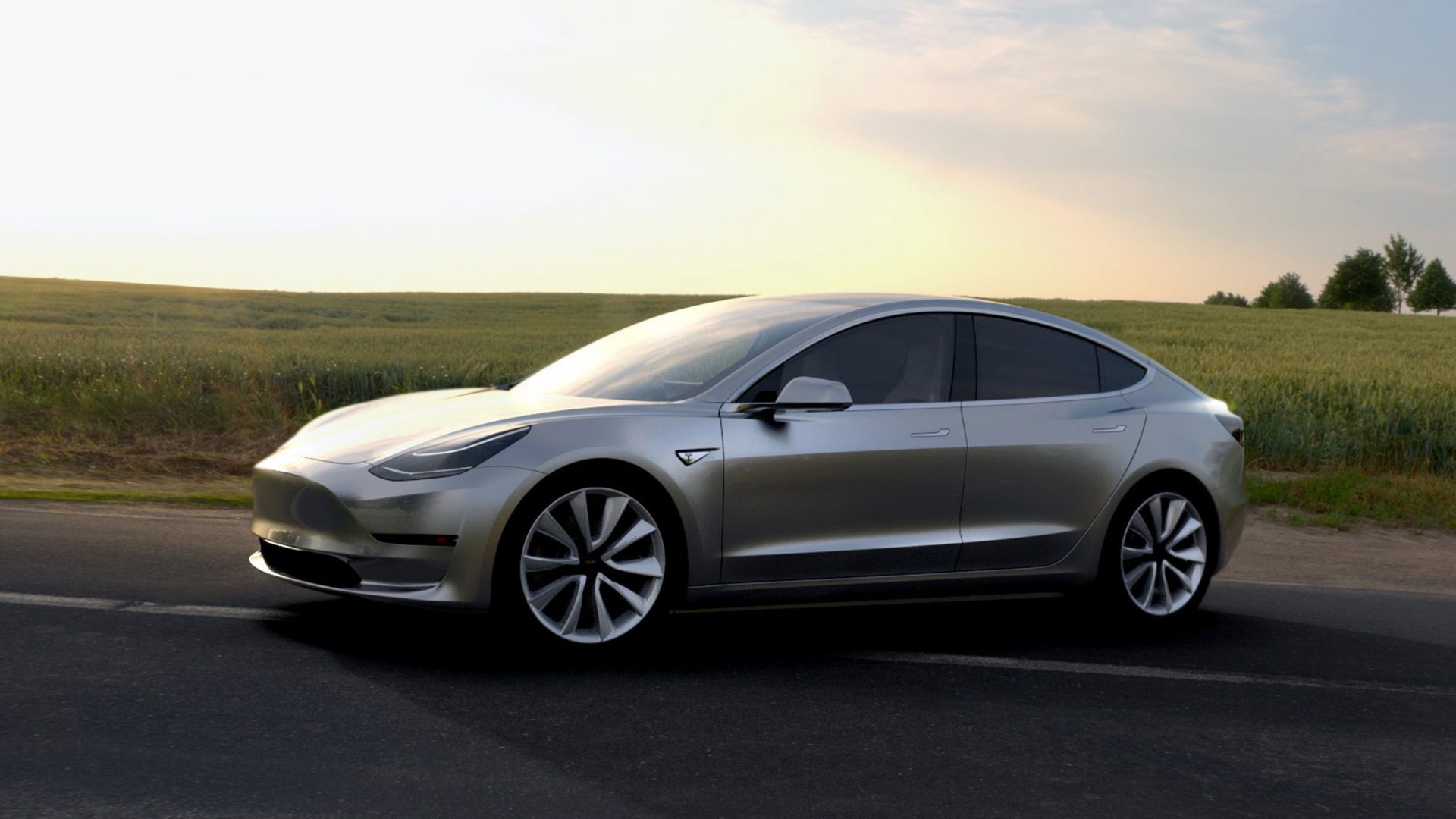
The Tesla Model 3 has already resolved the problems with the radar sensors, and safety tests have confirmed this.
Tesla has managed to fix the sensor errors on the Tesla Model 3. Radar sensors have always been the model’s Achilles’ heel, even though they were a key ingredient. The error in this system prevented the affordable version of Tesla from keeping its “best safety choice +” status in safety tests.
The error was discovered when the model underwent safety tests last May. In them, the model had no forward collision warning, automatic emergency braking, lane keeping assist, etc. This safety equipment was removed because both the Tesla Model 3 and the Tesla Model Y were not fitted with radar sensors.
The Tesla Model 3 corrects its radar sensors
The news is that the Tesla Model 3 has regained its safety test ratings, since the errors in the radar sensors have been corrected, and the camera-based system for forward collision warning and automatic emergency braking now works properly.
The safety tests have been carried out correctly, with particular emphasis on the prevention of frontal impacts based on the new camera of the Tesla Model 3 2021. This new system has been rated “superior” for vehicle-to-vehicle interactions and “advanced” for pedestrian interactions.
IIHS has completed tests of the 2021 Tesla Model 3’s new camera-based front crash prevention system, which rates superior for vehicle-to-vehicle interactions and advanced for pedestrian interactions. Details: https://t.co/y3vGCv0P49 pic.twitter.com/rpH2WshbkF
— IIHS (@IIHS_autosafety) June 29, 2021
Given the evaluations carried out on the new camera-based safety system of the Tesla Model 3, it can be said that the errors in the radar sensors have been resolved. It is worth noting that Elon Musk’s company decided to get rid of the radar sensors in favour of cameras. This technology is called Tesla Vision, and the brand has recently stated that “vehicles equipped with the technology use machine learning software to retain some previous radar-based functions”.
However, Tesla has been the subject of a number of safety-related problems, especially its autopilot system. The brand continues to test more advanced LiDAR sensors but, for the time being, there is no data on their arrival in production.
Technical specifications of this car


 Peugeot E-208 GTi: a battery-powered toy that revives the spirit of the 1980s sports cars
 New Lexus ES: luxury grows and goes electric
 First contact with the Dacia Sandero Hybrid 155: power and efficiency from €19,890
Deja un comentario