Synthetic fuels: is there a future for combustion engines beyond 2035?
 Óscar Sanz
31 March 2023
3 min.
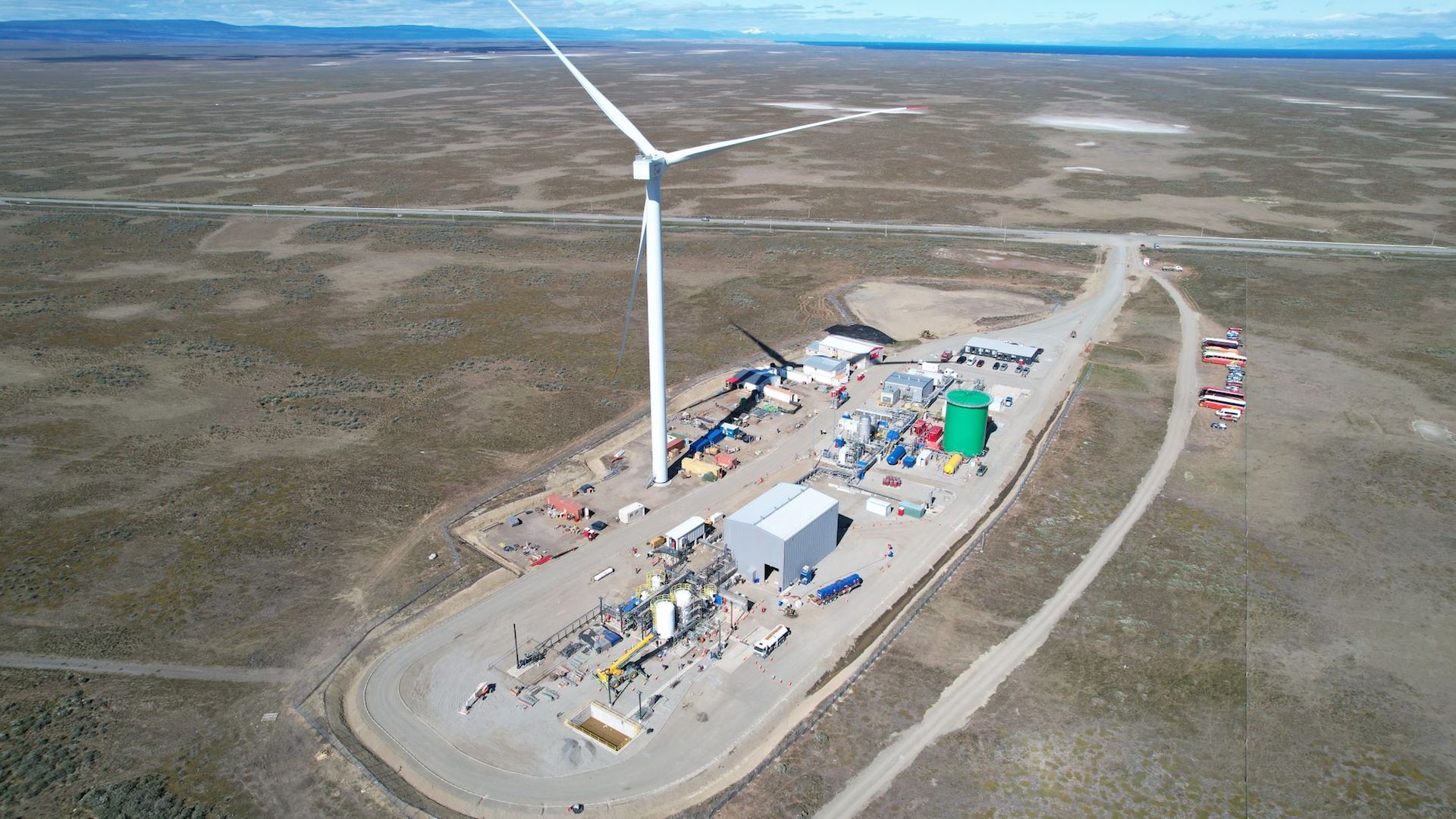
The end of oil? A solution for the energy transition? We take a look at the future to understand the real potential of synthetic fuels
Synthetic fuels
Synthetic fuels, also known as “zero-footprint” fuels, are also recognised as renewable synthetic fuels or e-fuels. They are a promising alternative to traditional fossil fuels such as petrol or diesel, which deliver the same results but are obtained through a different process in order to reduce dependence on oil and the effects of climate change.
A law has recently been approved that bans the sale of new cars and vans with a petrol or diesel combustion engine from 2035 onwards; second-hand vehicles already registered may still be bought and sold. Ultimately, though, everything points to the possibility of an “escape route” for these vehicles through the use of synthetic fuels or e-fuels.
Many brands such as Audi or Bosch are already experimenting with alternative fuels to diesel or petrol. And from Porsche they assert that “combustion engines can run on e-fuels with virtually neutral carbon emissions“. In fact, the brand is already working with e-fuel produced from wind energy. Porsche expects to produce around 130,000 litres a year and to use it in competition.
Types of synthetic fuels
There is some concern about sustainability when manufacturing synthetic fuels, as they require a large amount of energy, which may limit their capacity to be a sustainable energy source… or drive up their price.
Currently there are two types of synthetic fuels applicable to the automotive world. The first is known as e-diesel or synthetic diesel, obtained from materials of organic origin and hydrogen, through thermochemical and biological processes.
Until now we have LPG or CNG options for cars with petrol engines; but due to the new requirements on polluting emissions the need has arisen to research another type of fuel for petrol-engined cars: synthetic petrol.
How is synthetic petrol produced?
Synthetic petrol is produced from carbon dioxide (CO2) and water using renewable energy. Unlike conventional petrol, produced from oil, it contains no sulphur or other toxic compounds. These are produced through chemical conversion processes that transform the source materials into high-quality fuels.
The first production stage consists of capturing carbon dioxide from the atmosphere and purifying it until it is mixed with water through an electrolysis process, which splits the water into hydrogen and oxygen. Then, through a process called “Fischer-Tropsch synthesis“, the hydrogen is combined with CO2 to form carbon monoxide (CO) and water vapour. Next, the CO is subjected to a hydrogenation process to produce synthetic methane. Finally, a synthesis process is applied to the e-methanol, by which it is converted into synthetic petrol, which in turn is refined and processed so that it can be used in all petrol engines.
Are e-fuels truly sustainable?
Conventional petrol is obtained through a very basic distillation process of oil; but the process of making synthetic petrol is much more complicated. That is why producers state that synthetic petrol can today be as much as 10 times more expensive than conventional petrol, due to the complex process of production, which consumes a great deal of energy.
In the automotive field, synthetic fuels have a low energy efficiency compared with petrol. Their efficiency is 16%, compared with 72% for electric cars. It is estimated that synthetic fuel in 2030 could cost up to €2.80 per litre; although the technology is still under development, it is expected to improve and by then to be manufactured on a large scale.


 Peugeot E-208 GTi: a battery-powered toy that revives the spirit of the 1980s sports cars
 New Lexus ES: luxury grows and goes electric
 First contact with the Dacia Sandero Hybrid 155: power and efficiency from €19,890
Deja un comentario